

Full Stop Quarterly: August 2017
This issue of the Full Stop Quarterly is concerned with the processes and systems that make up and facilitate writing and reading, and in particular with poetry, the perpetual avant-garde.
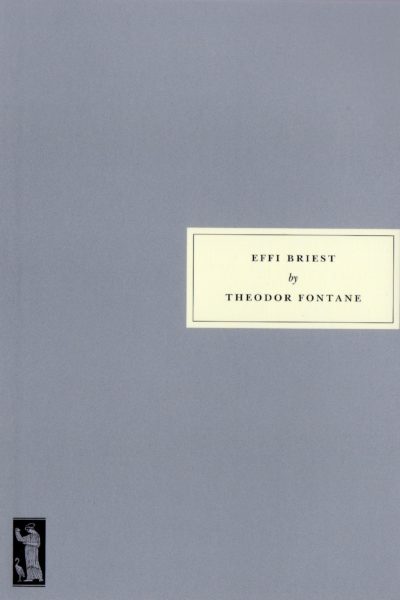
When the doctor asked me if I had recently experienced a tragedy, I took the English translation out of my backpack, and read to her.
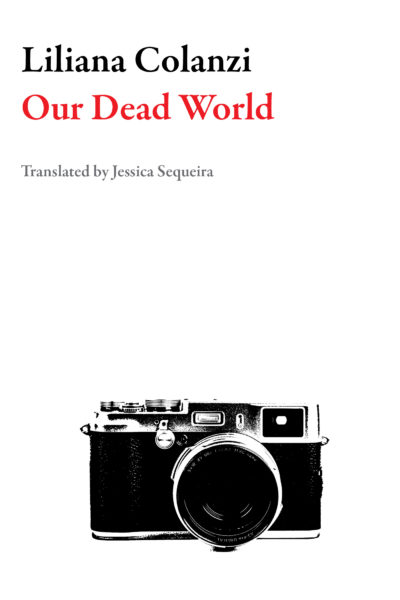
Our Dead World – Liliana Colanzi
Colanzi’s work moves in the opposite direction of Jung’s in every way; horror is a metaphysical humility.
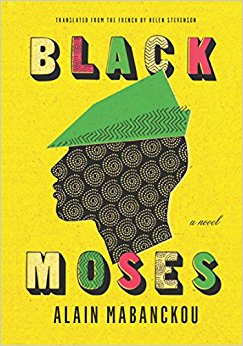
The writing shows such a singular view of the world through an adolescent’s — then young man’s — then madman’s — eyes.
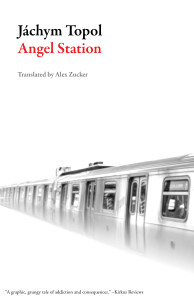
ANGEL STATION is a seething novel of accumulation, fast, strange, and destructive.
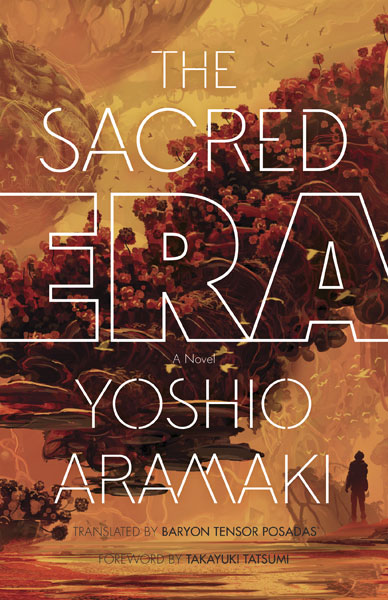
The Sacred Era – Yoshio Aramaki
Formerly preoccupied with imagining the future, science fiction is more inclined toward future anteriority.
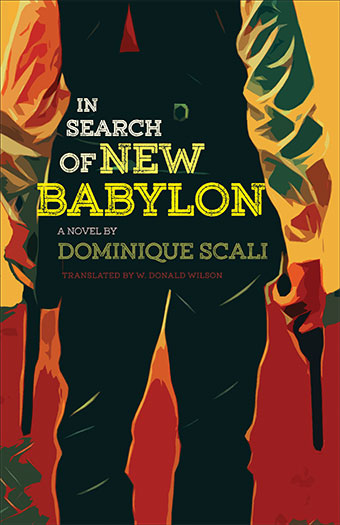
In Search of New Babylon – Dominique Scali
This genealogy of American violence suggests the West as an extension of a mechanism long set in motion, always going to break in the singular, inevitable way it could have.
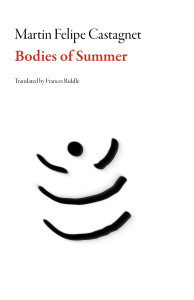
Bodies of Summer – Martin Felipe Castagnet
At its best Castagnet’s debut work artfully skirts overt philosophizing about mind-body relations and necropolitics, keeping this slim speculative novel at an athletic pace and leaving ample room for us to explore its marvelous world for ourselves.
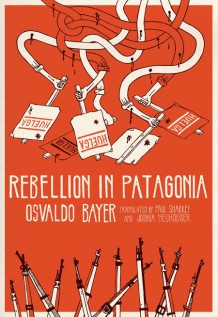
Rebellion in Patagonia – Osvaldo Bayer
Rebellion in Patagonia revealed a tragedy of the highest order, no doubt. But it’s in the story of the book and what happened to its author that we find the farce.
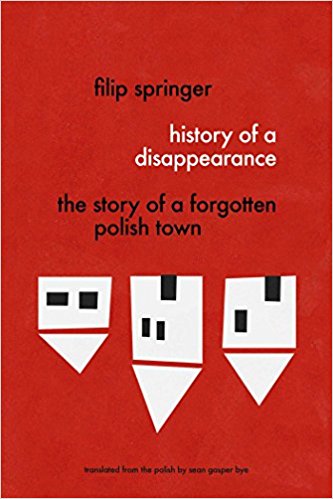
History of a Disappearance – Filip Springer
Springer’s history is simply a “beast,” sometimes slumbering, but more often fiercely awake.