


The Darkroom – Marguerite Duras
In distilling a great deal of the mechanisms that make Duras one of the most important writers of European modernism, THE DARKROOM is an enlivening reminder of what the struggle of literature is for.
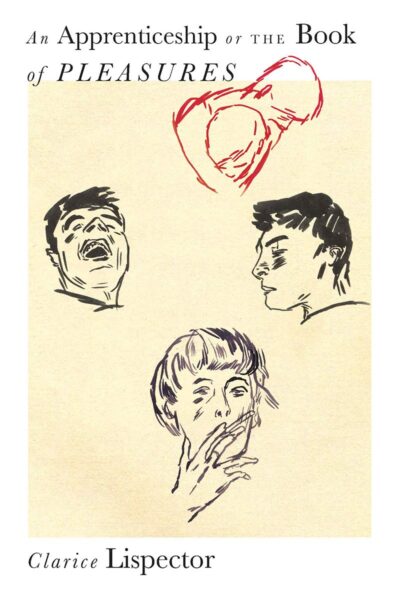
An Apprenticeship or the Book of Pleasures – Clarice Lispector
Lispector’s fiction pushes us to become apprentices of language itself, to find pleasure in the cadences of subjectivity, and to seek out how our articulations of desire and pain weave our reality.
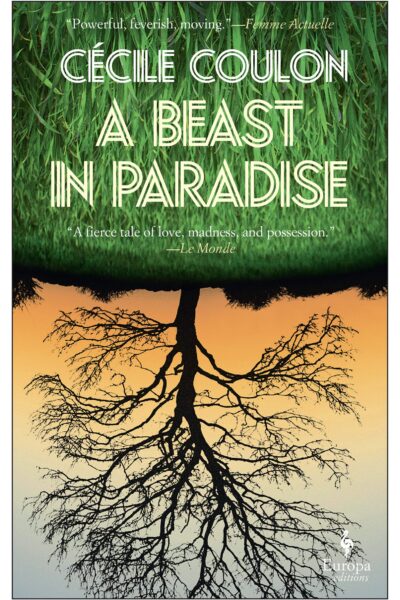
A Beast in Paradise – Cécile Coulon
A Beast in Paradise is far less a rural book, let alone a small-town book, than a farm book.
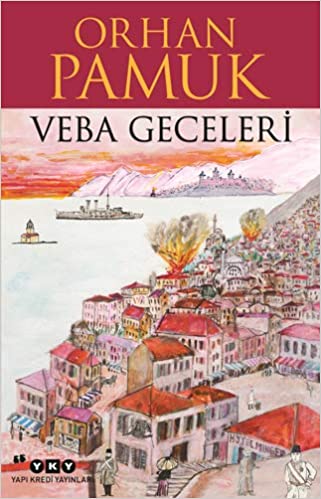
Veba Geceleri (Nights of Plague) – Orhan Pamuk
Every five years or so Mr. Orhan Pamuk, our Nobel laureate, publishes a new novel and we, the devout Turkish readers, bear arms.
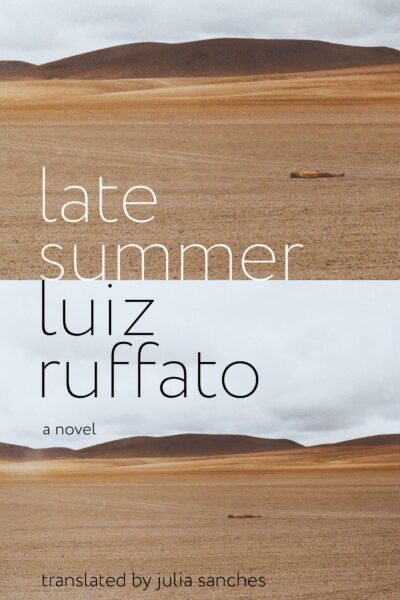
In LATE SUMMER Ruffato uses the final days of an ordinary Brazilian man returned to the city of Cataguases to subtly confront the societal changes and inequalities in Brazil.
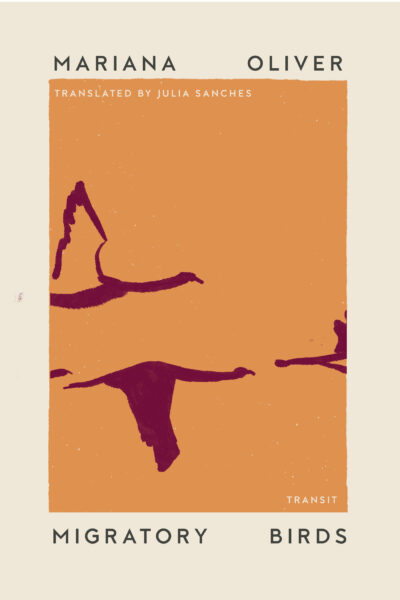
Migratory Birds – Mariana Oliver
In Oliver’s hands, the essay, like the cassette, is a container that does not dictate content but rather proves to be remarkably capacious.

Terminal Boredom – Izumi Suzuki
TERMINAL BOREDOM’s predictive nature is historically rooted and justified, finding form in the budding apathy of late Capitalism that was emerging when they were written.

Normally there is a safe distance between the reader and the work, however transgressive it is, whereas in Dustan’s writing the language is intimate, precise, explicit, pornographic even, and yet, ultimately, an attack on what is known as “Literature”.

Kӓsebier Takes Berlin – Gabriele Tergit
In its satirical and often detached portrayal of fame, Kӓsebier Takes Berlin marks an intriguing departure from the intense psychological novels and moody literary montages of its era.

Rabbit Island – Elvira Navarro
Taking little delight in the absurd, Navarro plunges into the despair, horror, and alienation of a society in steady retreat before the very irrational forces it aims to suppress.