

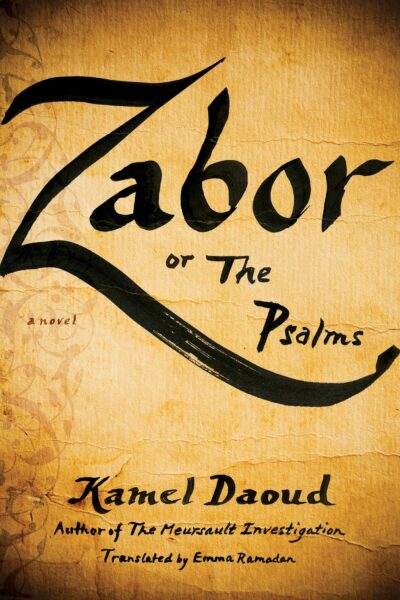
Zabor, or the Psalms – Kamel Daoud
One could say that writing is a small act of rebellion against death.
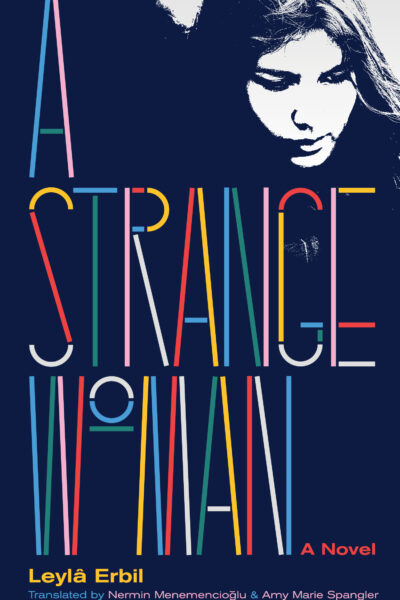
A Strange Woman tells of a woman’s love affair with life, though it is a life that existed before her and will exist long after.
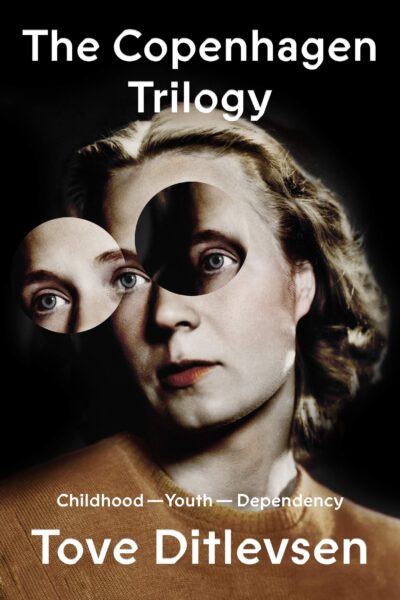
The Copenhagen Trilogy – Tove Ditlevsen
Critics reading Tove Ditlevsen’s work will dutifully make reference to her working-class roots, but seem unwilling to consider what impact these experiences might have had on her as a young writer.
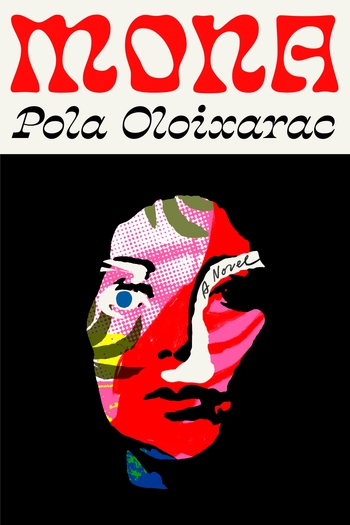
Festivals turn writers into characters, Mona explains. Writers arrive as the creator of possibilities and worlds, but they depart as puppets, functionaries for a plot. Or worse, as flora and fauna for the landscape.
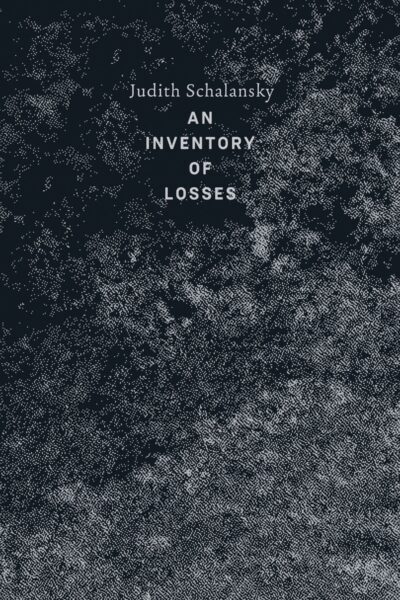
An Inventory of Losses – Judith Schalansky
If there is evidence that everything lost, burnt, drowned and gone extinct can eventually be researched, rediscovered and recovered, don’t we lose the skill and courage to fight the unfathomably roaring monsters that gulp up part of our worlds?
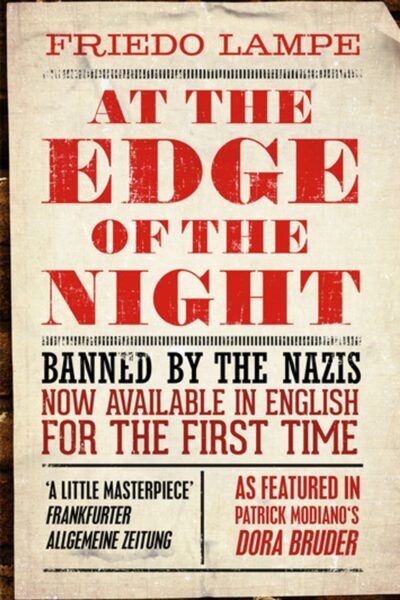
At the Edge of the Night – Friedo Lampe
The Hesperus Press edition of Friedo Lampe’s AT THE EDGE OF THE NIGHT raises the possibility that a lost German classic could well be overshadowed by its author’s extraordinary life story.
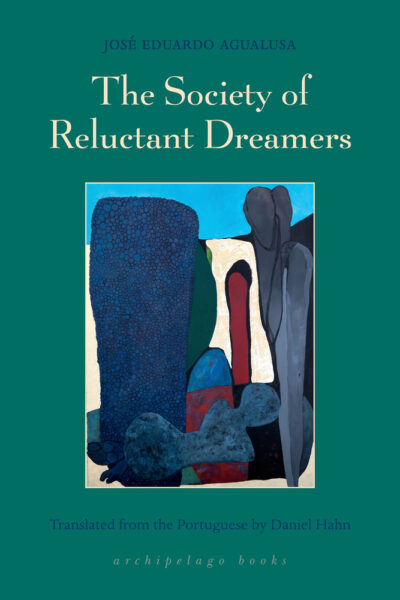
The Society of Reluctant Dreamers – José Eduardo Agualusa
José Eduardo Agualusa takes on the herculean task of depersonalizing dreams in order to shed light on his home country’s simmering revolution.
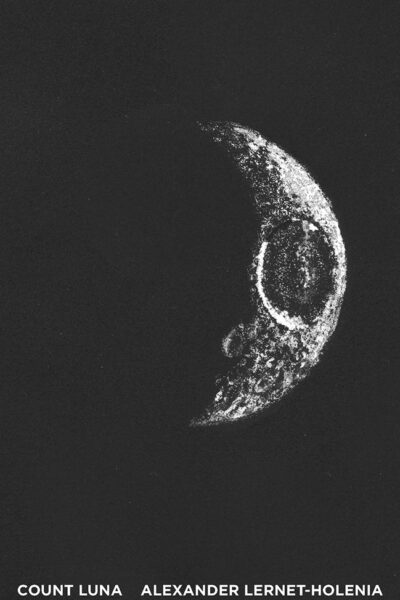
Count Luna – Alexander Lernet-Holenia
The novel takes the study of the conscience that forms the basis of Eichmann in Jerusalem and mixes it with the blinding guilt of “A Tell-Tale Heart.”
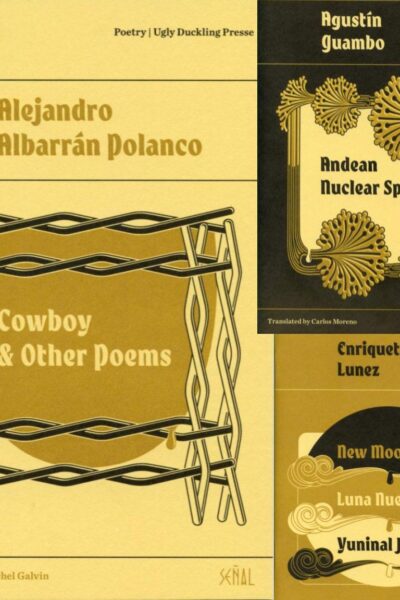
Three Ugly Duckling Presse Chapbooks
Alejandro Albarrán Polanco and Agustín Guambo display a radical political sensibility refracted through shards of shattered subjectivities, while Enriqueta Lunez’s fierce feminist lyricism offers an unsentimental portrayal of generational conflict among indigenous women.
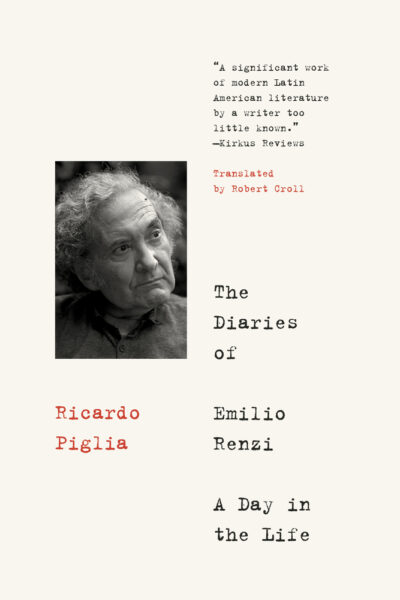
The Diaries of Emilio Renzi: A Day in the Life – Ricardo Piglia
His diaries offer a further, and perhaps more fundamental, opportunity to see Piglia exploring his obsession with impressions, and distorted impressions, a replaying of events and conversations.