

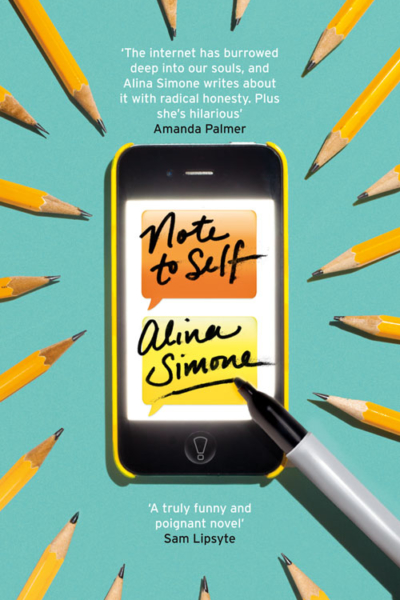
Whether the book does succeed in being comforting or in making its readers happy — depends perhaps upon the reader’s tolerance for Schadenfreude
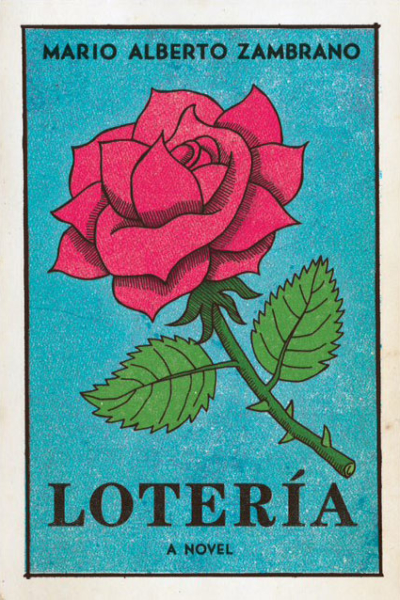
Lotería – Mario Alberto Zambrano
Fiction is never real, but good fiction is always true.
An irrepressible story, one that dissolves all certainty, and which can hardly be contained by words without threatening to burn them to the ground.
Algerian Chronicles – Albert Camus
In Algerian Chronicles we get both the settled position of Camus on Algerian independence and a study of what led to this exasperated tone – namely the insufficiencies of humanist principles to get a fair hearing during a particular kind of political sequence.

Call it psychological. Even call it sociological. But it is not political. It’s far too broad in scope for that.
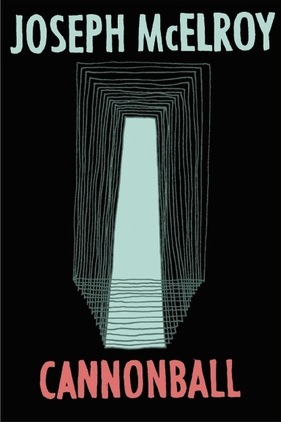
A difficult novel should be difficult because it prompts us to reexamine our facile assumptions, not because it’s boring.
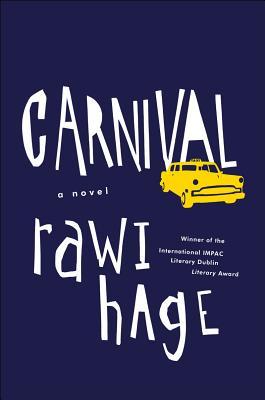
Like a cab ride, you get into it, it takes you around for a while, and you get out. The cab flies away into the night.

The Sad Passions – Veronica Gonzalez Peña
Reading The Sad Passions is a conundrum, an exercise in both empathy and ambivalence.
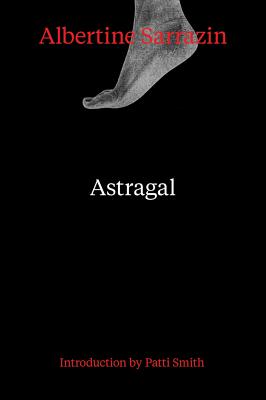
This is not a road novel, but a story of imprisonment that is always present even if it changes form.
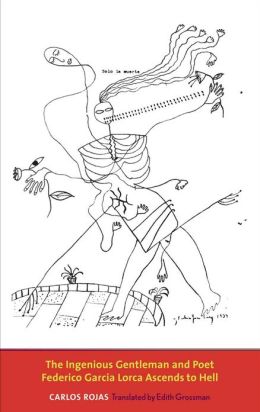
The Ingenious Gentleman and Poet Federico García Lorca Ascends to Hell – Carlos Rojas
I’m not sure I need to know this Lorca.