

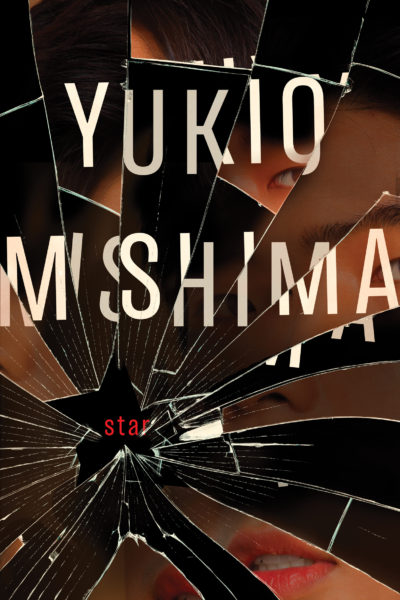
This complex, psychological portrait of celebrity is a propulsive, enduring narrative that eerily predicts our contemporary digital tensions of the self.

The Nocilla Trilogy – Agustín Fernández Mallo
Its formal innovation and experimentation mark THE NOCILLA TRILOGY as stepping into a globalized and networked world
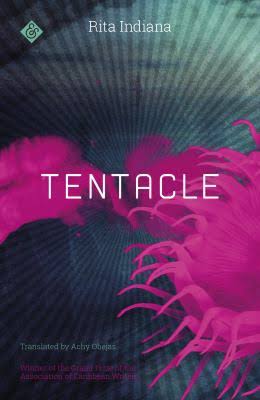
In TENTACLE, the manipulation of science fiction tropes is not a gimmick or trick, but a way to illustrate how impossibly intertwined the many forces are that have shaped the history of the Dominican Republic
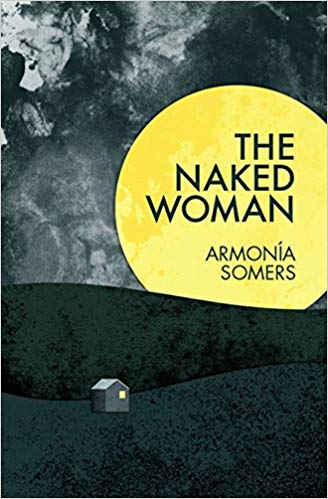
The Naked Woman – Armonía Somers
THE NAKED WOMAN continues to speak to us nowadays as fiercely and urgently as seventy years ago: more than ever, women’s bodies are the place of political battles that seek to change the way we understand desire, consent, and autonomy.
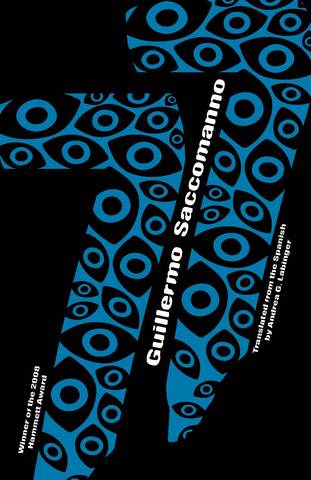
77 is a novel of terror.
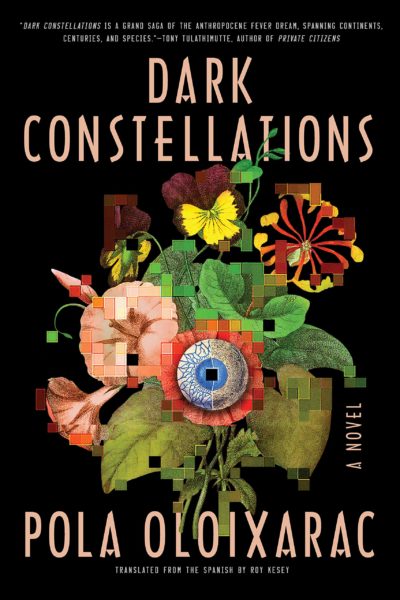
Dark Constellations – Pola Oloixarac
In Oloixarac’s hands, this world is one in which the boundaries between humans, plants, and animals have already begun to dissolve.
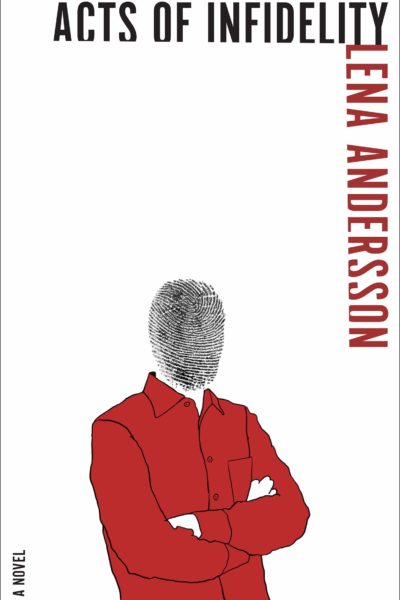
Acts of Infidelity – Lena Andersson
If the two books are so similar, why did I love WILLFUL DISREGARD so much and find ACTS OF INFIDELITY exasperating?

In Je, Nathanaël, the speaking subject, or more properly, speech, is not a question of absolute being but partial positions and orientations.
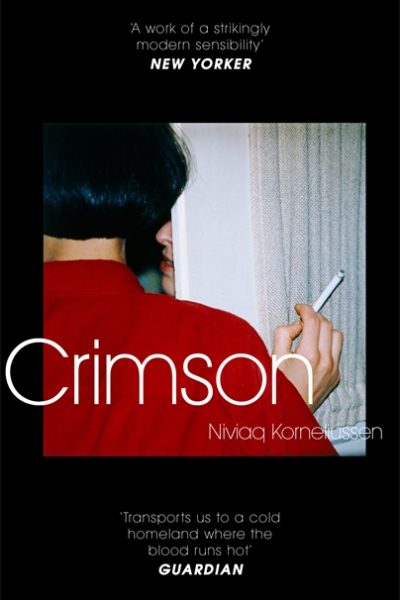
CRIMSON is a piece of literature that aims to make sense of queer experience by constructing a literary world adequate to house its complexities.
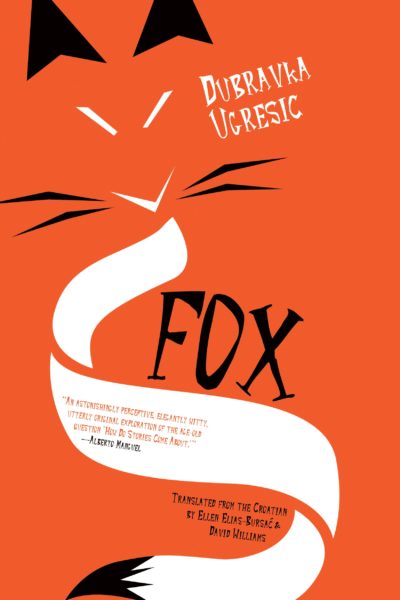
The moment I looked at the frightened animal in the corner of a dirty cage, I knew that writers and storytellers were dangerous manipulators.