

When the doctor asked me if I had recently experienced a tragedy, I took the English translation out of my backpack, and read to her.
Our Dead World – Liliana Colanzi
Colanzi’s work moves in the opposite direction of Jung’s in every way; horror is a metaphysical humility.
The writing shows such a singular view of the world through an adolescent’s — then young man’s — then madman’s — eyes.
Everything Is Awful and You’re A Terrible Person – Daniel Zomparelli
To the extent that such exchanges are recognizable to the point where a chuckle turns into vague discomfort, Zomparelli’s collection paints a fairly accurate life of urban, or urban-adjacent, cis-gay men.
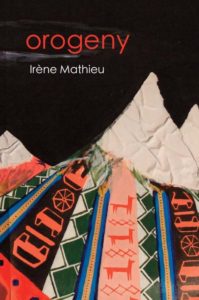
OROGENY generates mountains; dynamite destroys them. The cycle is complete; the circle closes. Or perhaps not.
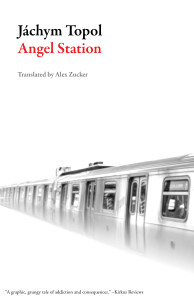
ANGEL STATION is a seething novel of accumulation, fast, strange, and destructive.
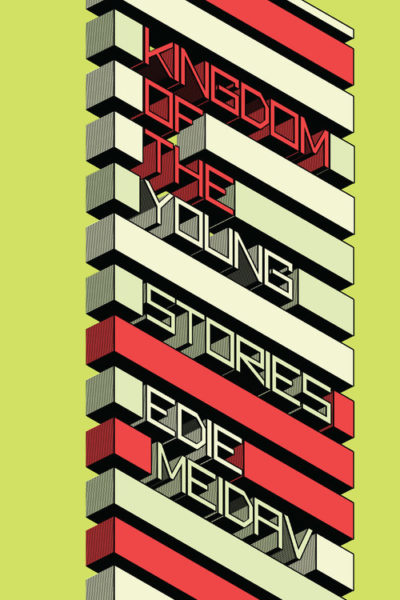
The Kingdom of the Young – Edie Meidav
Although Meidav’s writing is lucid and subtly evocative, it really makes no effort to be “lyrical” or “rhapsodic.”
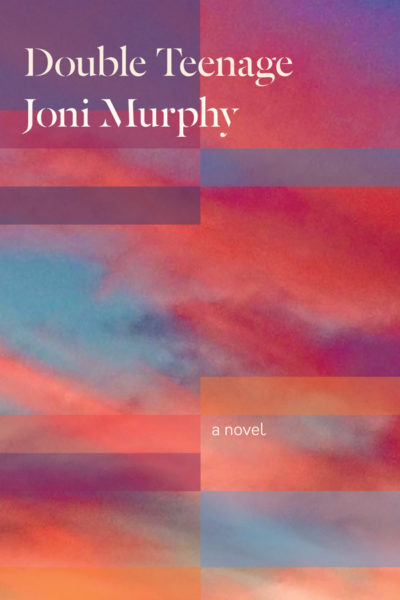
The problem of girlhood cannot be adequately addressed within the form of literary realism.
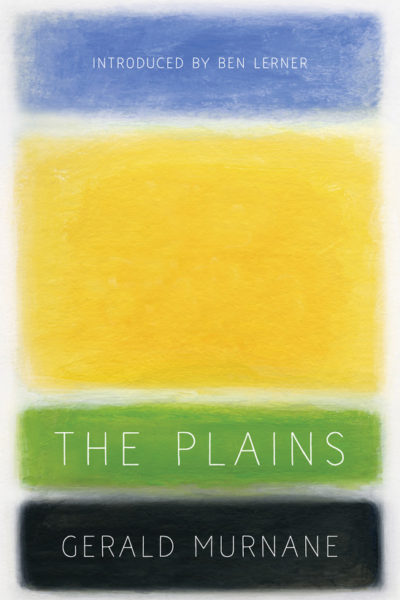
In the absence of scene, ideas take over – invented bibliographies, doctrinal disputes, theories of time, schools of mapmaking – but always with a physical backdrop, an illuminated library row or looming landscape.
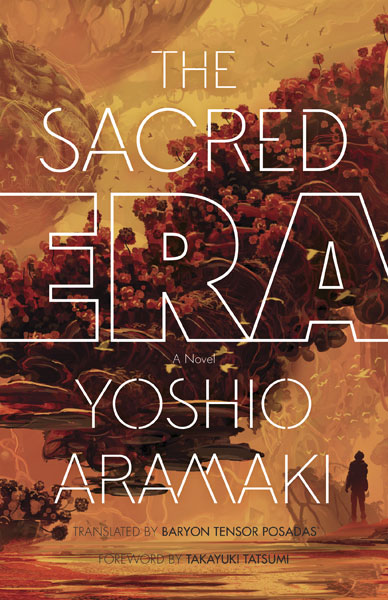
The Sacred Era – Yoshio Aramaki
Formerly preoccupied with imagining the future, science fiction is more inclined toward future anteriority.