

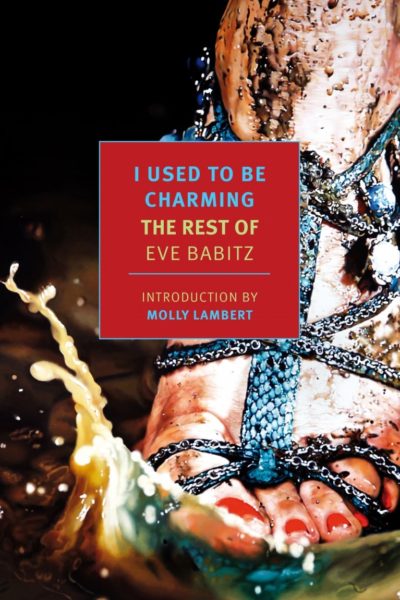
I Used to Be Charming – Eve Babitz
Babitz has not lost her caustic, self-deprecating, and observational humor. But does it still work? Or, rather, is it what we need?

I Can’t Talk about the Trees without the Blood – Tiana Clark
Figurative language reaches towards the physical embodiment of feeling, animating words on the page.
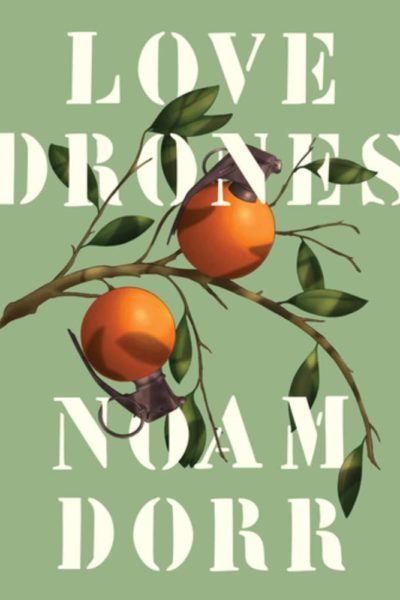
LOVE DRONES makes us reconsider what we take for granted and reveals new networks of communication — geopolitical, emotional, and aesthetic.
“Write what you know,” rather than urging you to burnish the surface of the “personal,” demands that you admit how much knowledge of this society’s complexity and injustice — how much personal knowledge — you really do have.
The impulse of withdrawal can sharpen continuously to a fine point.
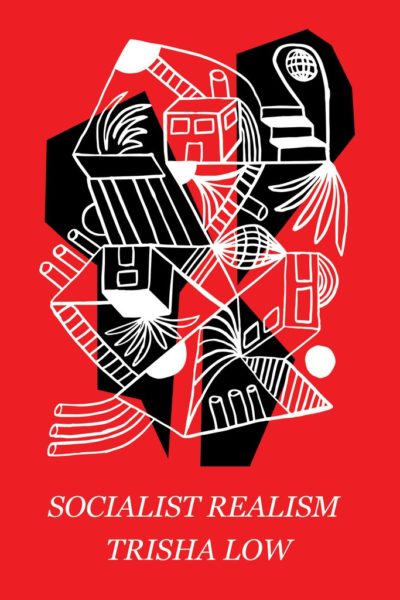
Socialist Realism – Trisha Low
Maybe this is, more than anything else, about a series of starting points. We have not started fighting yet.

Love, Icebox: Letters from John Cage to Merce Cunningham – ed. Laura Kuhn
It is impossible to separate the work of the artists from the shared life of two men in love.
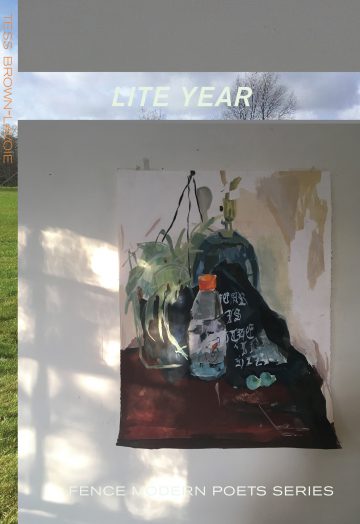
Though deeply embodied and rooted in the land, Lite Year does not offer itself up as willingly as we have grown to expect from poetic farmers.
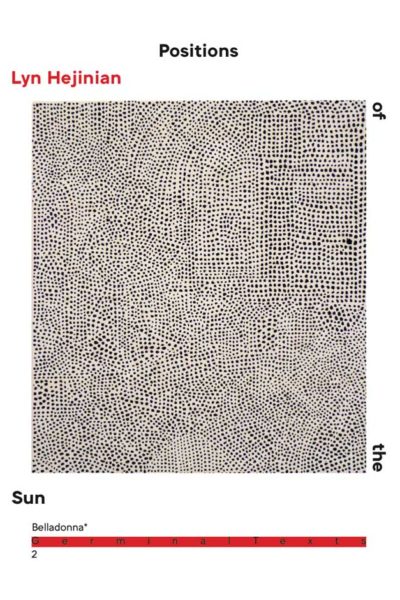
Positions of the Sun — Lyn Hejinian
Does Language poetry have a public? If not, and for want of one, whose interests does it serve instead?
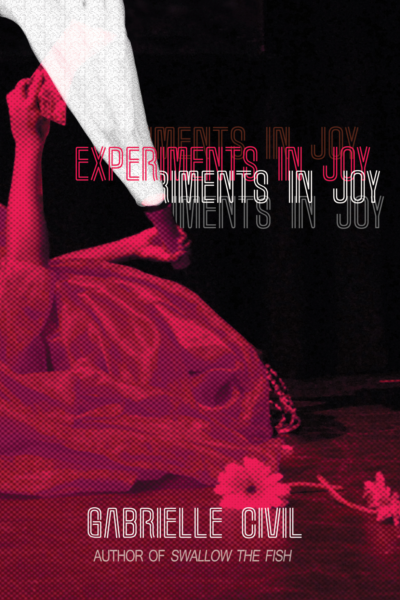
Experiments in Joy – Gabrielle Civil
EXPERIMENTS IN JOY holds space for so many other individuals, and for an inclusive community, because this is a part of Civil’s ethics, but also because she’s often making work in collaboration.