


Call it psychological. Even call it sociological. But it is not political. It’s far too broad in scope for that.
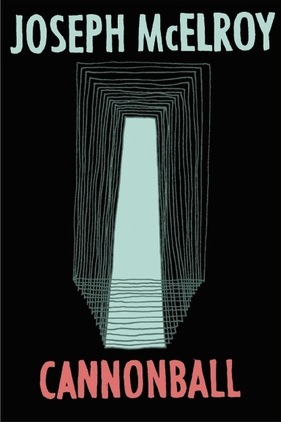
A difficult novel should be difficult because it prompts us to reexamine our facile assumptions, not because it’s boring.
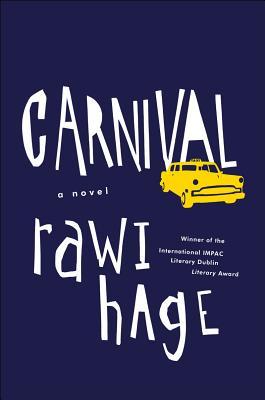
Like a cab ride, you get into it, it takes you around for a while, and you get out. The cab flies away into the night.

The Sad Passions – Veronica Gonzalez Peña
Reading The Sad Passions is a conundrum, an exercise in both empathy and ambivalence.
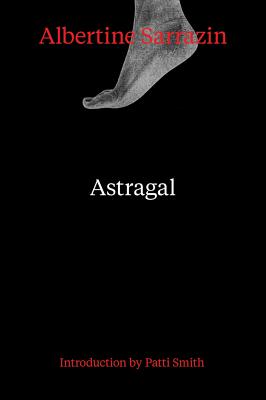
This is not a road novel, but a story of imprisonment that is always present even if it changes form.

The Ingenious Gentleman and Poet Federico García Lorca Ascends to Hell – Carlos Rojas
I’m not sure I need to know this Lorca.
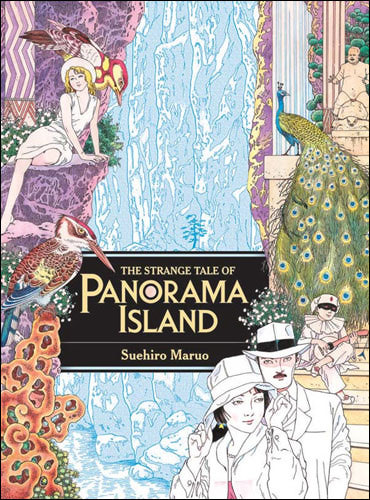
The Strange Tale of Panorama Island – Suehiro Maruo
Maruo, known for his transgressive, disturbing comics, passes on the opportunity to match Rampo’s baroque flourishes with modern outrages and plays things surprisingly safe.
I didn’t believe in the “soul” before being here confronted by its absolute absence.
Love Among the Particles – Norman Lock
Calling attention to the artificiality of his creation gives Lock (and us) the chance to consider what actually determines the “real.”
Philipp Meyer’s ambitious second novel, The Son, is as broad in scope as Texas is big.