

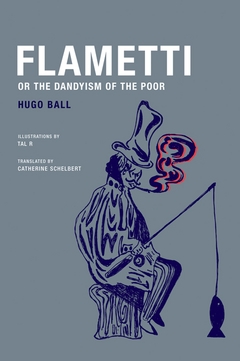
Flametti, or the Dandyism of the Poor – Hugo Ball
It is not often I read a novel so enthusiastic and unconstrained (and so funny) in its use of language and in its building of worlds.

Travel Notes (From here — to there) – Stanley Crawford
The logic here is Kafka’s, one emphasizing powerlessness, comedy, and terror. And like Kafka’s, it’s a logic Crawford often locates in the formal structures of speech, the way language can seem to contain crucial information even when it’s actually just bunches of barks and wind.

What Ends pulls at past and future, as the out-of-sequence sections zoom in on certain years on the island and the events that ultimately lead towards an uncertain future for both the island and its last inhabitants.
A re-branding of Kim Gordon, and an eloquent reversal of emphasis.
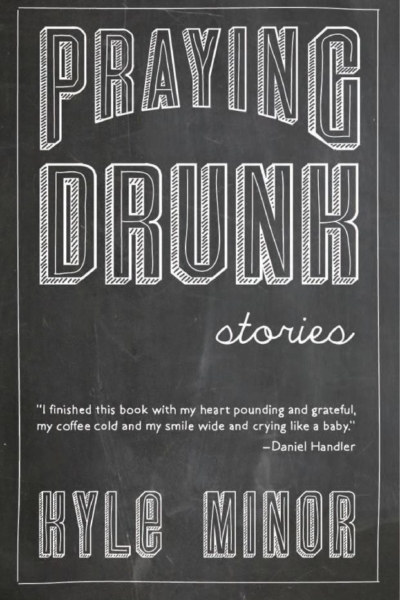
The book is caught between the impulse to evoke the culture and struggles of the Bible Belt and what seems like a retroactive concern with aesthetic design.

Europe in Sepia – Dubravka Ugresic
Ugresic is not interested in declaring the present to be exceptionally hopeful or hopeless. She’s interested, rather, in talking about the particularity of now as it scrambles out of the past and lurches towards the future.

It is impossible to know how these stories will read in a decade or in ten, when the closing of Borders and the description of a character “waterboarding himself with a neti pot” may need to be explained in footnotes.
To read Davis is to be like Josef K. in the cathedral, cast in light that’s dim and getting dimmer. Before long you can’t see at all, as you fumble your way toward the exit. The simple story loses its shape.

Marta Oulie provides a stark, yet personal addition to the conversations of early 20th century Western women writers such as Virginia Woolf and Kate Chopin.
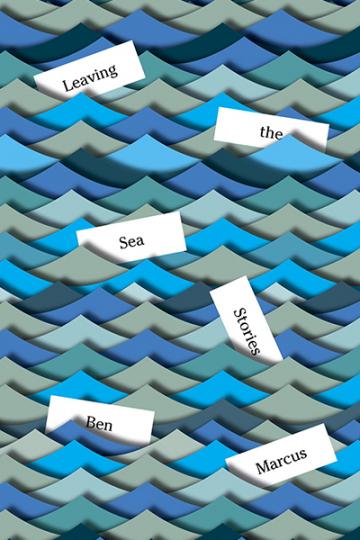
The sequencing of the stories is perfect: Leaving the Sea, in its organic development, teaches the reader how to read it.