

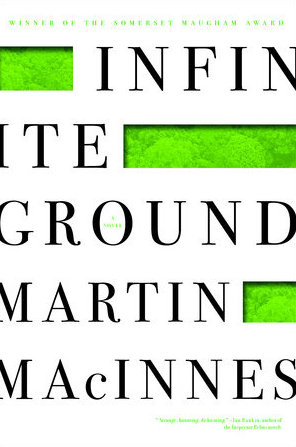
Infinite Ground – Martin MacInnes
This is much more than a book with multiple endings (or even multiple worlds); this is an impressive exploration of porosity.
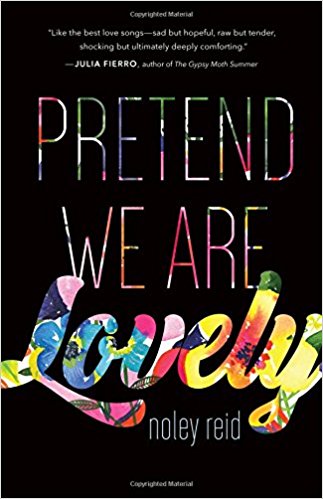
Pretend We Are Lovely – Noley Reid
You put pounds of candy in your freezer you guess to give you a false sense of abundance?, a tip from a self-help book on unfull hearts and how to handle them.
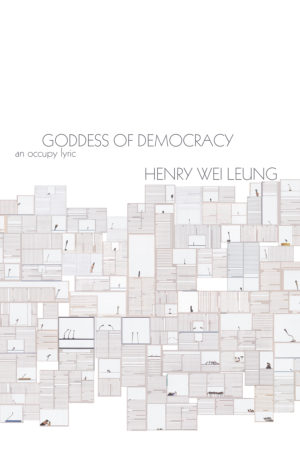
Goddess of Democracy: an Occupy Lyric – Henry Wei Leung
Through witnessing the movement as an outsider while reflecting on his complex position, Leung creates a rich, dynamic inquiry into our responsibility to one another.
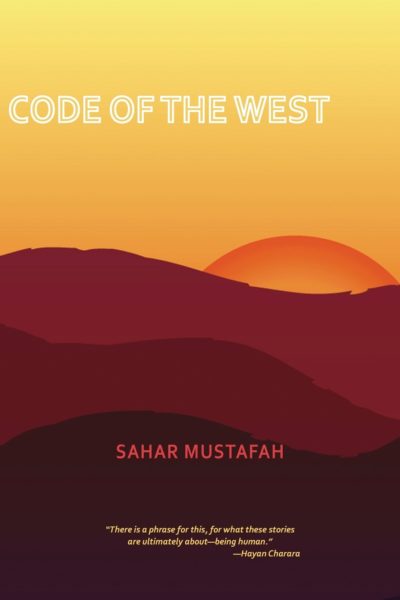
Code of the West – Sahar Mustafah
Here are two representations of the country: One insisting unimaginatively as to what it takes to obliterate the nuances of social difference with blunt force, and the other just trying to get by.
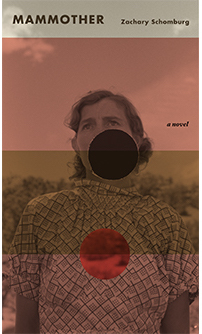
At some point in your life, something will fall in front of your feet that you did not expect. There’s a challenge that MAMMOTHER offers the reader: to believe, simply, in what you are about to read, and then to risk reading it.
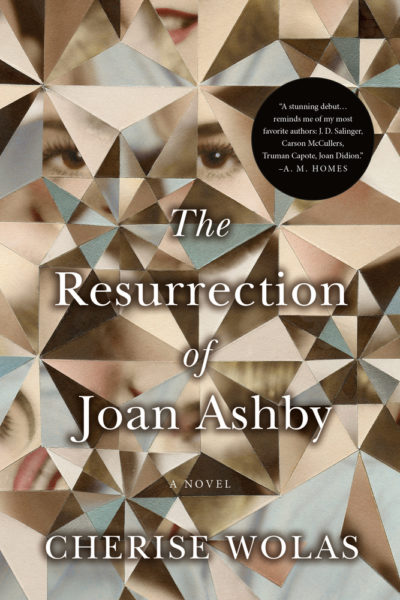
The Resurrection of Joan Ashby – Cherise Wolas
Through Joan’s writings we see what Joan refuses to — that she has not and cannot inoculate her writing from her life; that her art and her life are symbiotic.
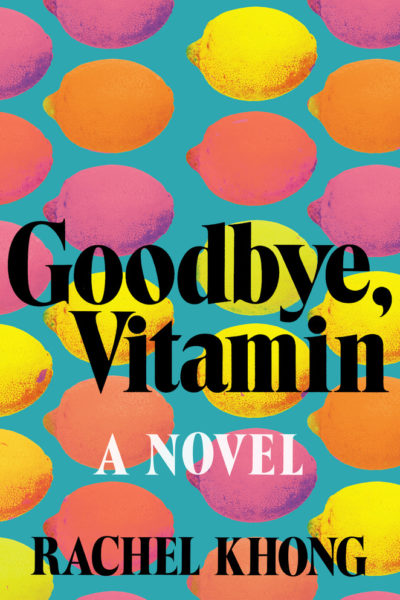
Goodbye, Vitamin – Rachel Khong
The way that Ruth gauges the progression of her father’s illness is food-centric.
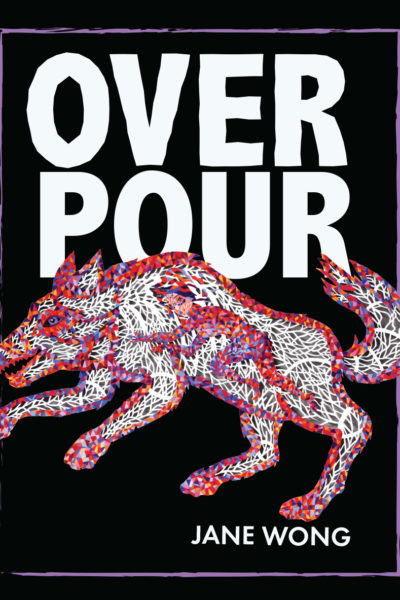
Wong’s speakers are possessed of a transforming power, but the physical realities around them push back, or bind them in ways they can’t escape.
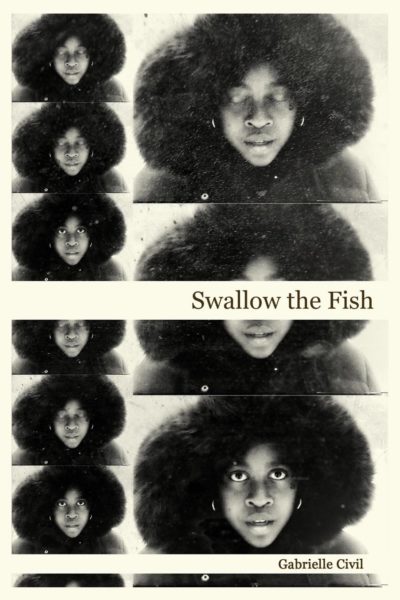
Swallow the Fish – Gabrielle Civil
Civil upends our assumptions around artistic displays of the body, demands we consider the fact that performance art engages with unruly ghosts and wounded riddles.
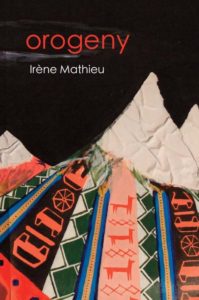
OROGENY generates mountains; dynamite destroys them. The cycle is complete; the circle closes. Or perhaps not.