


I became captivated by the way Shakespeare’s white-centric plays contain anti-Blackness, and sometimes so subtly that readers, theatergoers, stage practitioners, students, and educators gloss over such moments that construct whiteness within a dichotomy that excludes real Black people yet imagines us in some way.
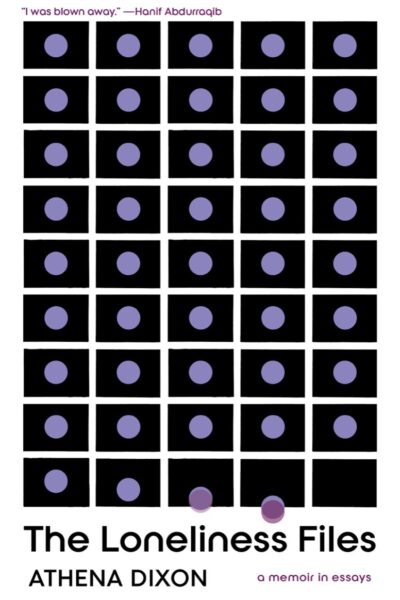
The Loneliness Files – Athena Dixon
These days, we’re confronted with a constant influx of simulations of communication, fun, intimacy, activity, travel. But we’re not present: it’s like seeing the world after your death, or a world into which you were never born.

What are the commonalities or differences of writing urban dis(-)appearance across continents, or in the same city across disparate works of literature?
How does literature counter brutality? Does an ideal utopian city exist across the trenches of global writing?
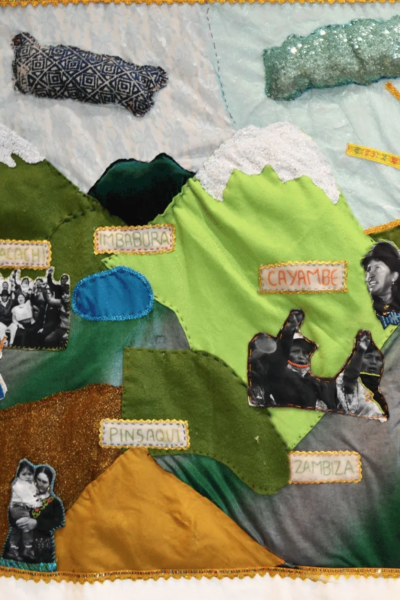
Freedom Sounds and Care Practices in Anti-Extractivist Mapping
Over the course of a year, Maizal collected sound recordings of the wildlife and waterflow of the Andean moorlands under threat from mining, as well as interviews with veterans of anti-mining activism from the pueblo Nangali. The result is an imaginative archive and ambitious cartographic experiment . . .
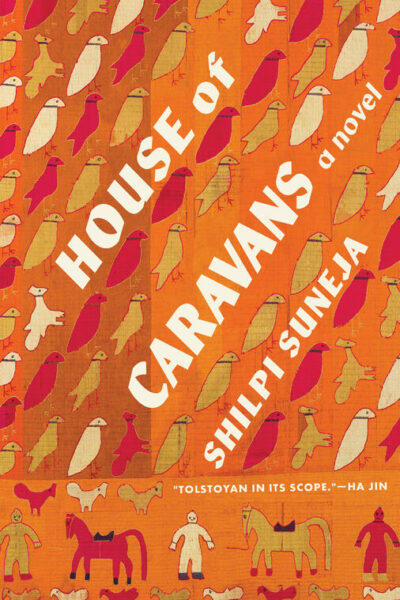
House of Caravans – Shilpi Suneja
The circular tragedy Suneja draws in this intricate debut is perhaps not a circle at all, but a spring, ready to burst as soon as we allow ourselves the freedom to love across borders . . .

It can be hard, especially for artists where “skill” and “progress” is extremely intangible, to feel like unpublished work is accumulating to something else and not just wasted, and while that’s obviously never true, it was lovely to see such a clear refutation.
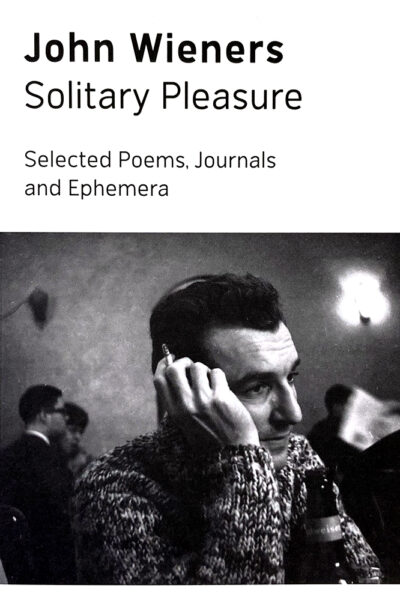
Solitary Pleasure: Selected Poems, Journals, and Ephemera – John Wieners
Solitary Pleasure brings together pieces of writing that emanate queer loneliness and longing, allowing the desperate, the embarrassing, and the delusional intrusions of a solitary mind into the art of the poem.
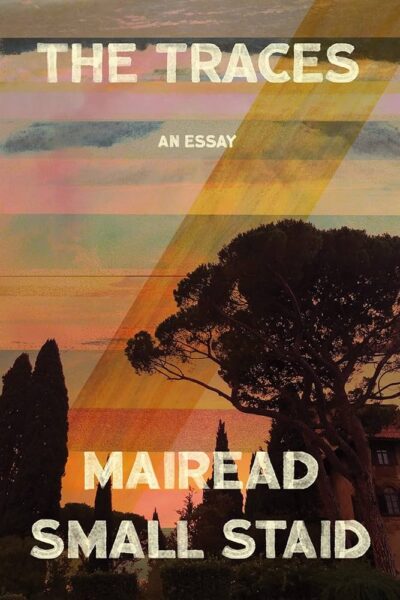
The Traces: An Essay – Mairead Small Staid
Italy is a captivating pretext for the author’s melancholic reflections about happiness and its opposite, reflections that magnificently cascade in all directions, chapter after chapter.

Parts of the Body in Non-Protagonist-Centered Fiction
Separating part and whole, then, is not enough to see parts of the body differently. The individual has to be sidelined, which is exactly what non-protagonist-centered fiction achieves.
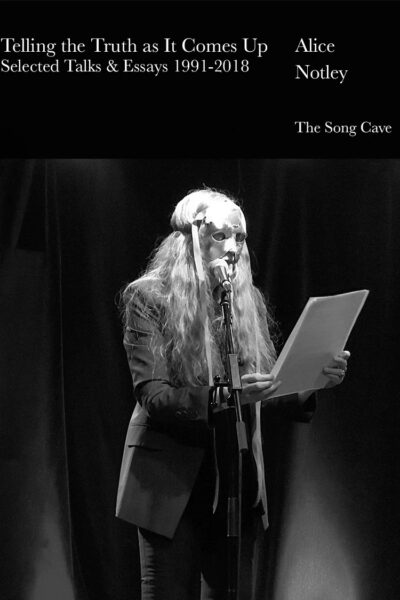
Telling the Truth as it Comes Up – Alice Notley
What is a book of talks, a book of talking? . . . Writing proposes completion, whereas talking remains unfinished.