

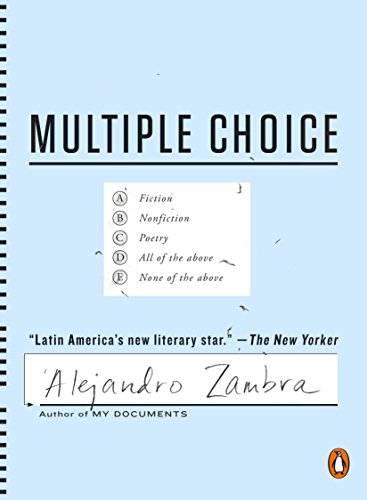
Multiple Choice – Alejandro Zambra
Coherence and logic are not inherent to human experience. Life is paratactic. Causality, the root of arguments and anguish, is the product of a rigorous and motivated training.
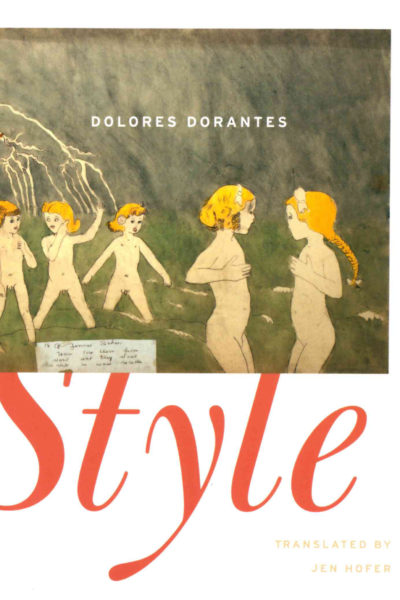
Where is violence manufactured? What styles allow and encourage our conditioning, our reproducing? How to be in systems that place you in permanent states of negation?
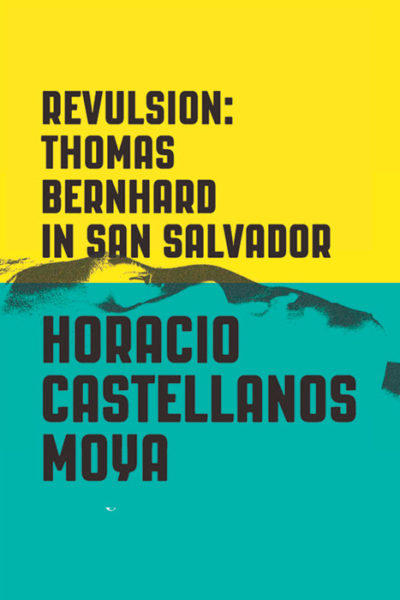
Revulsion: Thomas Bernhard in San Salvador – Horacio Castellanos Moya
The novel reveals as much about Bernhard’s style as it does about Salvadoran society.
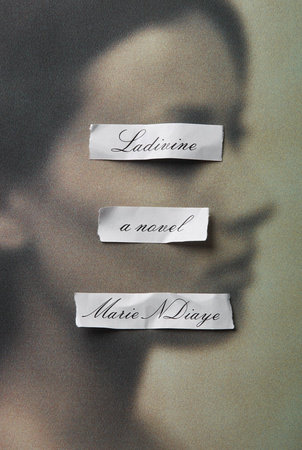
Into this web of familial discontent and uncertainty enter those mysterious dogs.
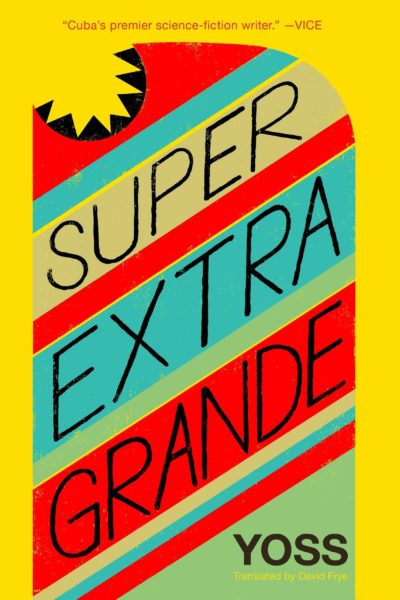
Here are some other technologies that humans control despite a barely functioning civil society: Nuclear weapons. The Internet. Drones. Here are some archetypes that don’t appear in this novel: Gringos. White people.
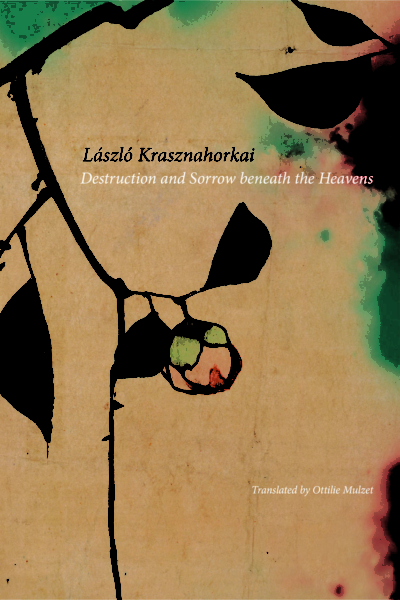
Destruction and Sorrow Beneath the Heavens – László Krasznahorkai
Like Krasznahorkai’s fictions, his sentences (or in this case, series of clauses) conspire together, in a kind of interlocking state of indecision, building a sense of elusive, strangled exasperation.
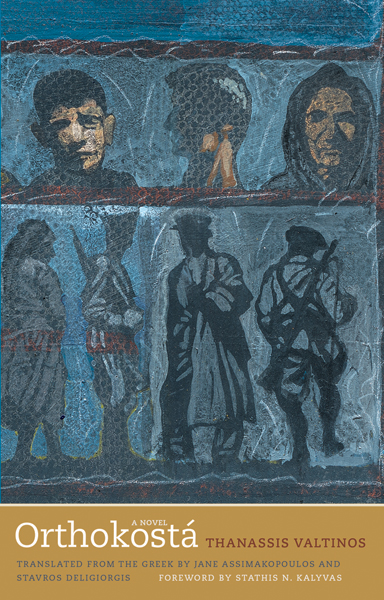
Orthokostá – Thanassis Valtinos
If we lack for now the Great Syrian Novel, we may have to make do with Orthokostá and our ability to extrapolate from the Mediterranean country that gave us the word “chaos” to a more easterly Mediterranean country that now manifests it.
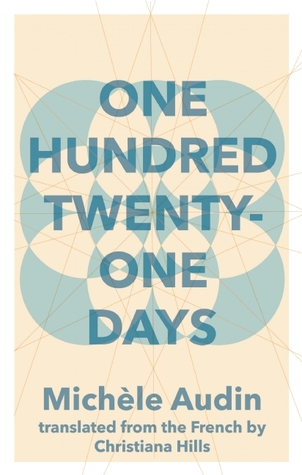
One Hundred Twenty-One Days – Michèle Audin
In fact, the historian admits defeat.
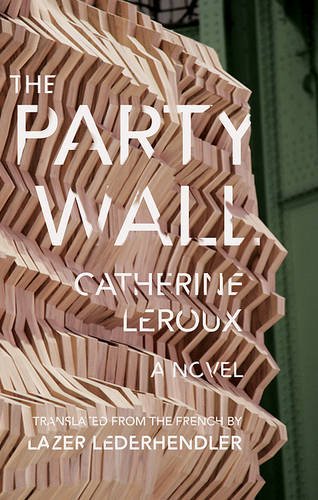
The Party Wall – Catherine Leroux
The idea of the transplant is central to THE PARTY WALL, a polyphonic novel that uses ordinary lives to delve into extraordinary subjects.

Seventy-seven years later, Sarraute’s writing continues to unnerve and interrogate our readerly expectations.