

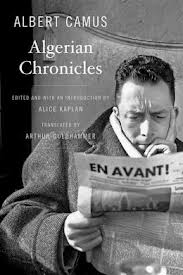
Algerian Chronicles – Albert Camus
In Algerian Chronicles we get both the settled position of Camus on Algerian independence and a study of what led to this exasperated tone – namely the insufficiencies of humanist principles to get a fair hearing during a particular kind of political sequence.

Call it psychological. Even call it sociological. But it is not political. It’s far too broad in scope for that.
A difficult novel should be difficult because it prompts us to reexamine our facile assumptions, not because it’s boring.
Like a cab ride, you get into it, it takes you around for a while, and you get out. The cab flies away into the night.

The Sad Passions – Veronica Gonzalez Peña
Reading The Sad Passions is a conundrum, an exercise in both empathy and ambivalence.
This is not a road novel, but a story of imprisonment that is always present even if it changes form.
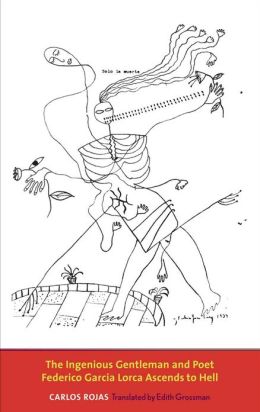
The Ingenious Gentleman and Poet Federico García Lorca Ascends to Hell – Carlos Rojas
I’m not sure I need to know this Lorca.
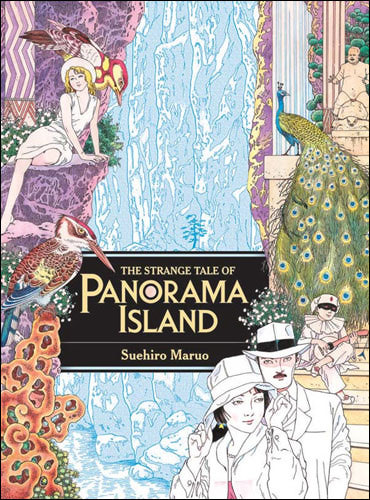
The Strange Tale of Panorama Island – Suehiro Maruo
Maruo, known for his transgressive, disturbing comics, passes on the opportunity to match Rampo’s baroque flourishes with modern outrages and plays things surprisingly safe.
I didn’t believe in the “soul” before being here confronted by its absolute absence.
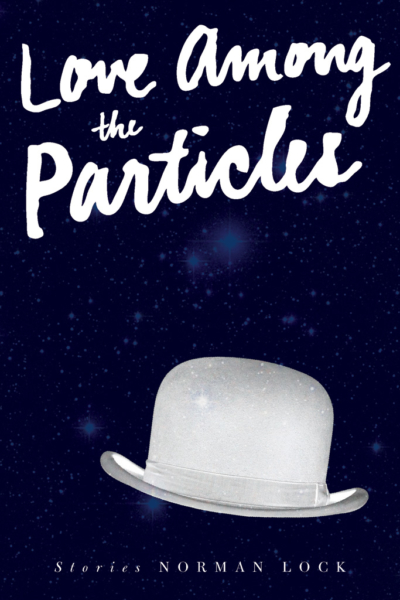
Love Among the Particles – Norman Lock
Calling attention to the artificiality of his creation gives Lock (and us) the chance to consider what actually determines the “real.”