

In TENTACLE, the manipulation of science fiction tropes is not a gimmick or trick, but a way to illustrate how impossibly intertwined the many forces are that have shaped the history of the Dominican Republic
If this coast-bound itinerancy is the late-twentieth century American dream—Didion and manifest destiny and all that—what happens when cost of living and barriers to entry inhibit all but the most fortunate few, when even the honest trade of writing is reduced to a pipe dream for the nation’s finest literary talents?
The Word for Woman is Wilderness – Abi Andrews
THE WORD FOR WOMAN IS WILDERNESS might better be named Patriarchy Happens (Even in the Woods).
Obscenity and the Arts – Anthony Burgess, Germaine Greer, and Andrew Biswell
Burgess’s lecture comes across as pat and facile as it does because he wanted more than anything to show the Maltese that he and his books weren’t a danger to anyone thank-you-very-much and can-I-have-my-fucking-books-back-please.
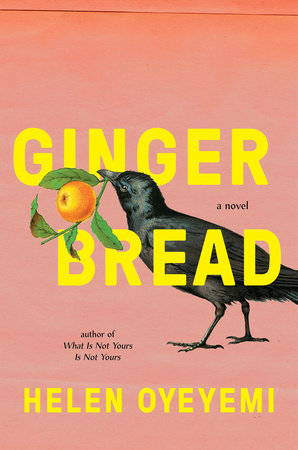
In Gingerbread, Oyeyemi dismisses the idea of a single indisputable account of events.
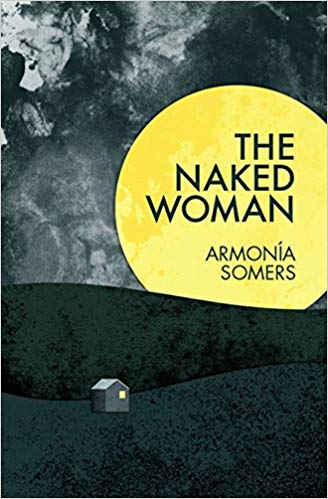
The Naked Woman – Armonía Somers
THE NAKED WOMAN continues to speak to us nowadays as fiercely and urgently as seventy years ago: more than ever, women’s bodies are the place of political battles that seek to change the way we understand desire, consent, and autonomy.
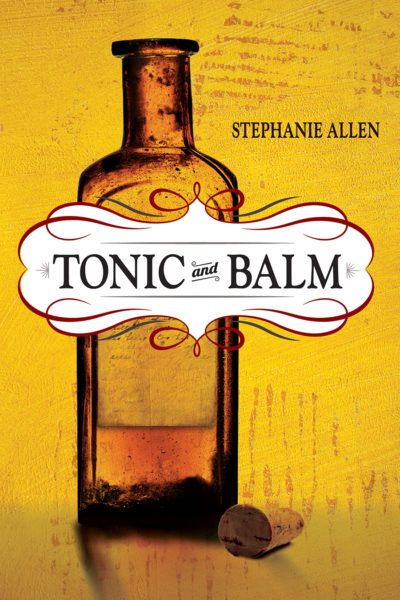
Tonic and Balm – Stephanie Allen
The attempt to extract from history an elegiac redemption story may not entirely avoid superimposing a present idealization on the past.
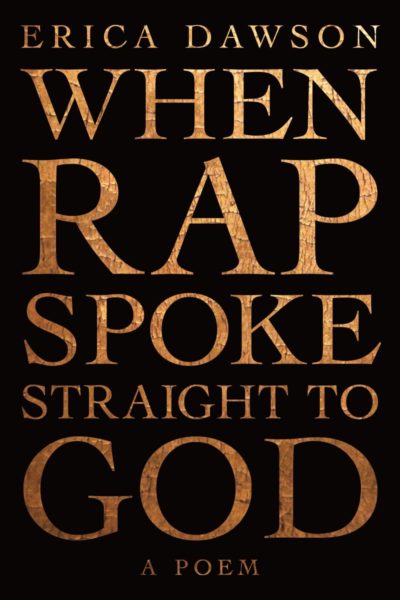
When Rap Spoke Straight to God – Erica Dawson
[Erica Dawson] shows by example how to band together with the mothers and sisters whose voices get lost in patriarchy’s texts.
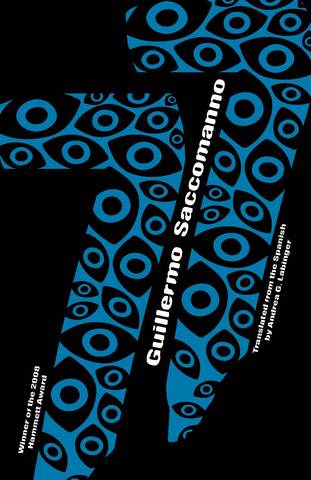
77 is a novel of terror.
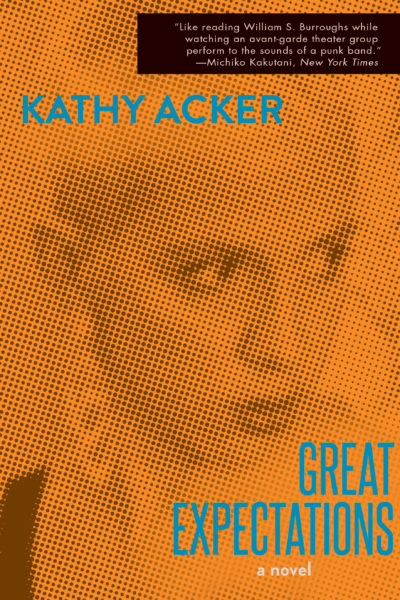
Great Expectations – Kathy Acker
This contemporary return to Acker may be similar to how Acker herself returned to those who lived and wrote before her: as something unfinished.