

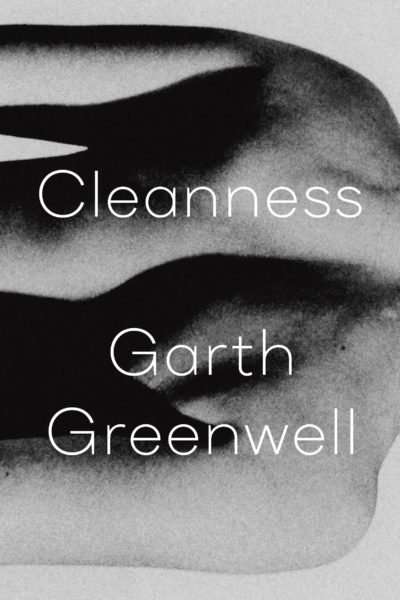
CLEANNESS, at its core, is an examination of the sticky and inextricable pairing of masculinity and violence.
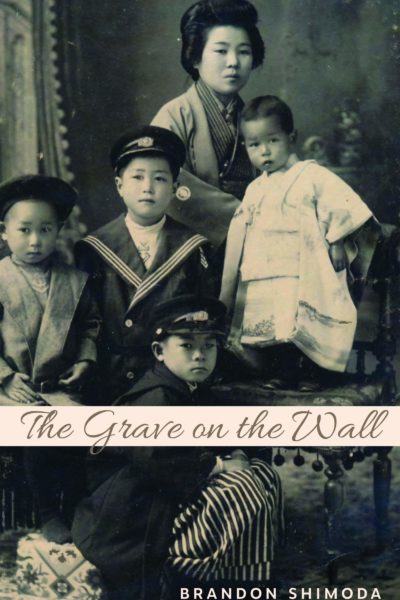
The Grave on the Wall – Brandon Shimoda
THE GRAVE ON THE WALL performs a memorial in linked essays to the author’s grandfather Midori Shimoda while scraping away at the grounds for such a memorial, for any memorial.
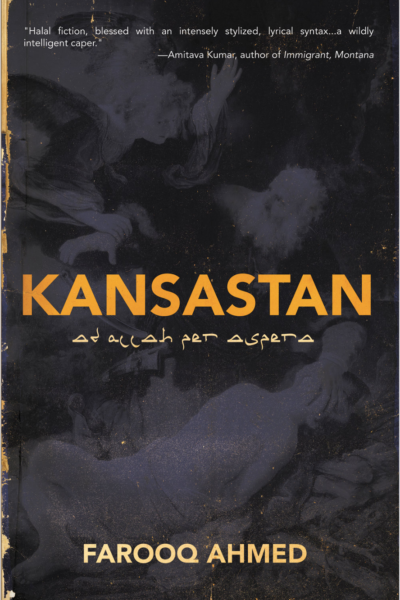
Kansastan, a hilarious novel, is perhaps even more surreal than Governor Brownback’s political credulity.

Ríos develops the dream as a genre to itself — a real fiction, a fictional real.
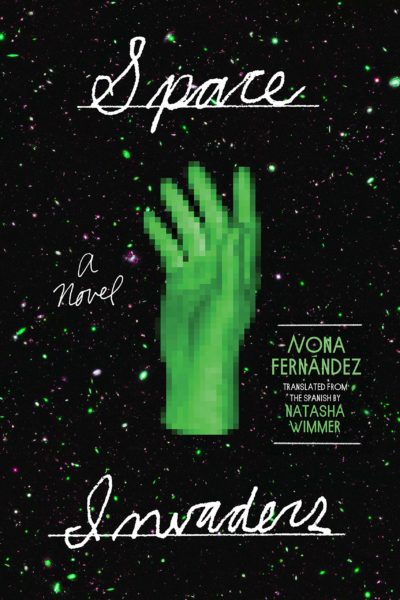
Space Invaders – Nona Fernández
Fernández does something vitally important here, something rare in American narratives of collective protest: she does not equate uncertainty with foolishness.
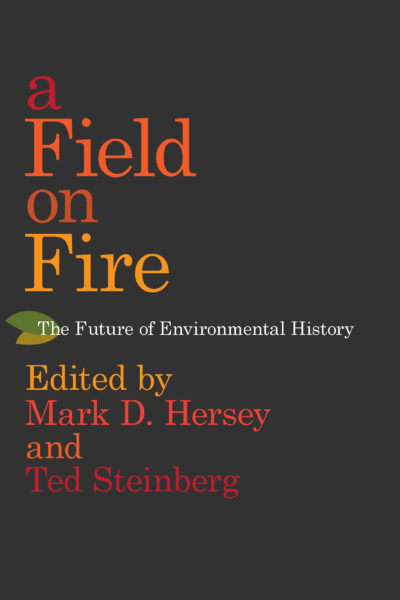
A Field on Fire – ed. Mark D. Hersey and Ted Steinberg
Academic modes of production are shockingly ill-suited to a crisis, and certainly ill-suited to a crisis of this scale.

I Used to Be Charming – Eve Babitz
Babitz has not lost her caustic, self-deprecating, and observational humor. But does it still work? Or, rather, is it what we need?

I Can’t Talk about the Trees without the Blood – Tiana Clark
Figurative language reaches towards the physical embodiment of feeling, animating words on the page.
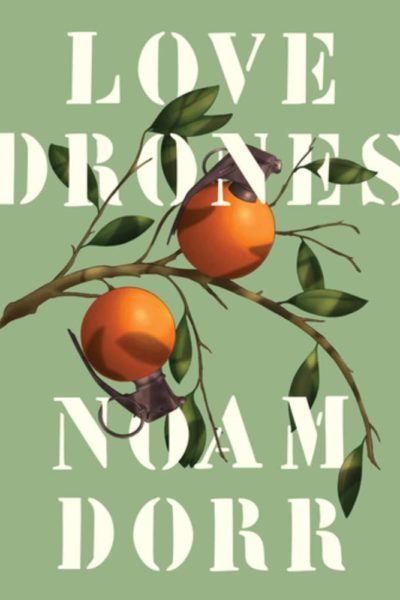
LOVE DRONES makes us reconsider what we take for granted and reveals new networks of communication — geopolitical, emotional, and aesthetic.

“Write what you know,” rather than urging you to burnish the surface of the “personal,” demands that you admit how much knowledge of this society’s complexity and injustice — how much personal knowledge — you really do have.