

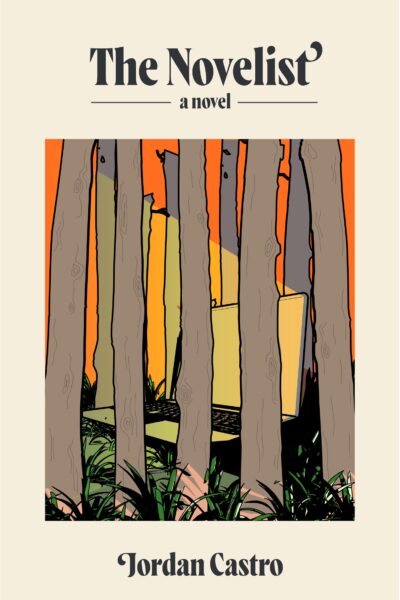
The present is where Castro relishes his attention, but it’s a present layered with memory and subjectivity.
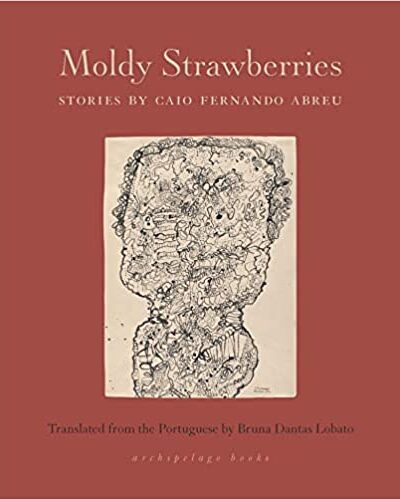
Moldy Strawberries – Caio Fernando Abreu
An existentialist dread runs throughout the narratives as they are marked by an exploration of the self, expressing the fears of a generation facing incredible challenges.
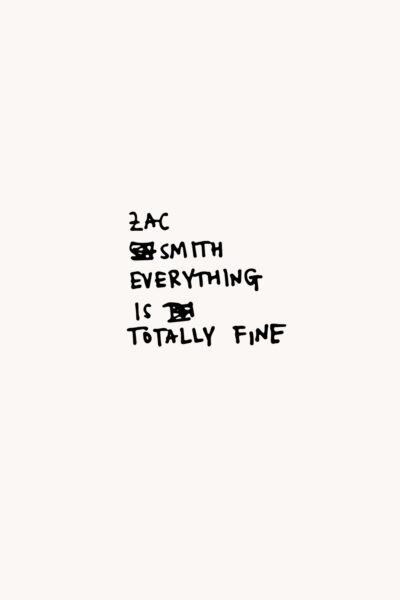
Everything is Totally Fine – Zac Smith
If there is one thing Smith’s time capsule of Americana can teach us is to listen to our dreams and nightmares and allow them to prompt new ways of living.
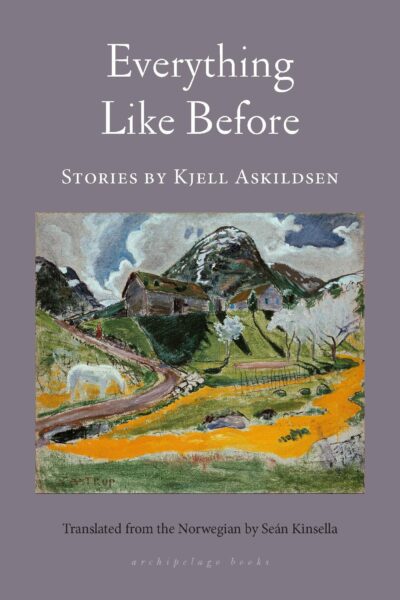
Everything Like Before – Kjell Askildsen
Askildsen’s particular gift is the subtle way he imbues these mundane moments with so much frustration and rage, which creates an atmosphere of electric disquiet.
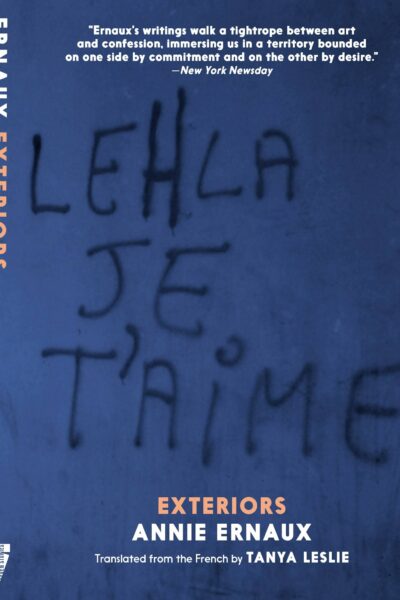
Having combed real-life storytelling for narrative ticks, she seems to have grown out of them, seeking another, meta and autofictional register in her own writing.
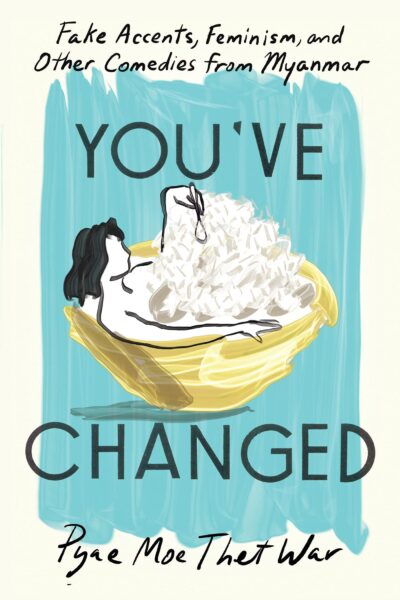
You’ve Changed – Pyae Moe Thet War
In this sensitively observed collection, the freedom to define oneself is achieved not only through the rebellion against cultural constraints, but also the embrace of the provisional nature of identity.
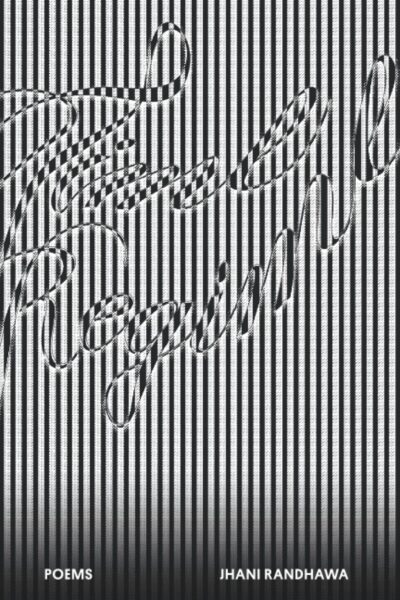
Randhawa has a control over language that I rarely encounter. There is a feeling of each word having been specifically selected, purposeful descriptions that alter the way we talk about the things around us.
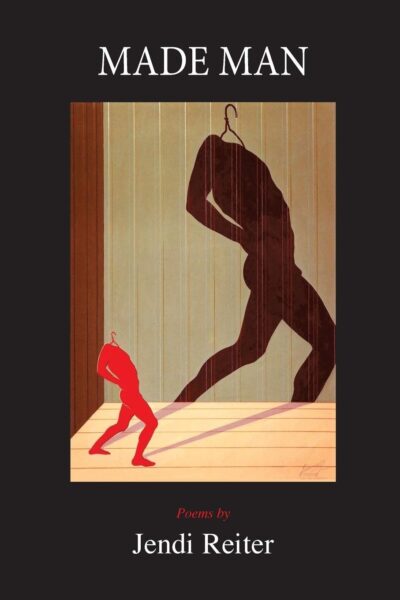
Made Man becomes an examination and celebration of change writ broadly along with all its magickal implications.
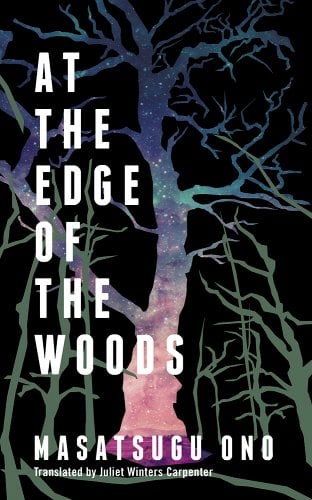
At The Edge of The Woods – Masatsugu Ono
Parenthood lends itself to a narrative that sits on the fuzzy border between natural and supernatural.
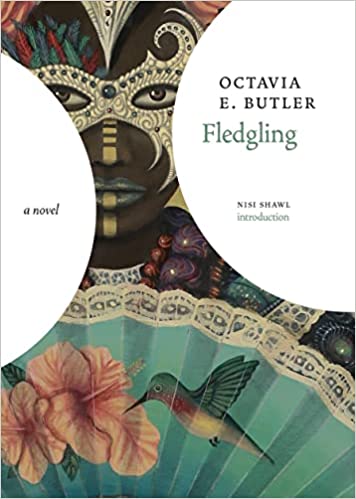
Butler thus nimbly opens the seams of the vampire figure to show the ways in which its mythology is already lined with implications about the construction of race, exclusion, and intolerance.