


It is impossible to know how these stories will read in a decade or in ten, when the closing of Borders and the description of a character “waterboarding himself with a neti pot” may need to be explained in footnotes.
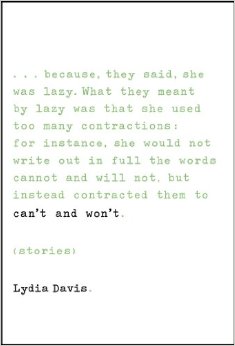
To read Davis is to be like Josef K. in the cathedral, cast in light that’s dim and getting dimmer. Before long you can’t see at all, as you fumble your way toward the exit. The simple story loses its shape.
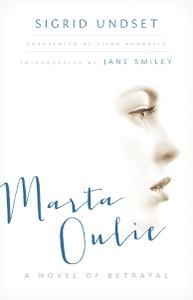
Marta Oulie provides a stark, yet personal addition to the conversations of early 20th century Western women writers such as Virginia Woolf and Kate Chopin.
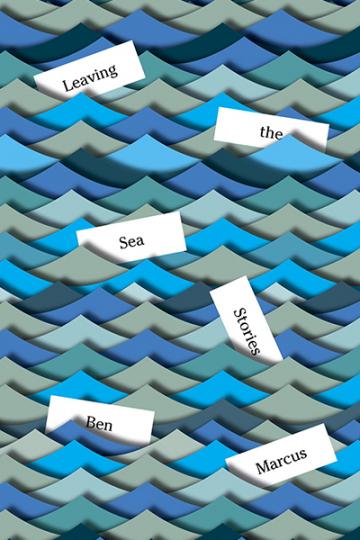
The sequencing of the stories is perfect: Leaving the Sea, in its organic development, teaches the reader how to read it.

There’s naked commerce, and there’s writing with a concept of the reader. That will still be an important difference when we’re all MFAs and the water rises.
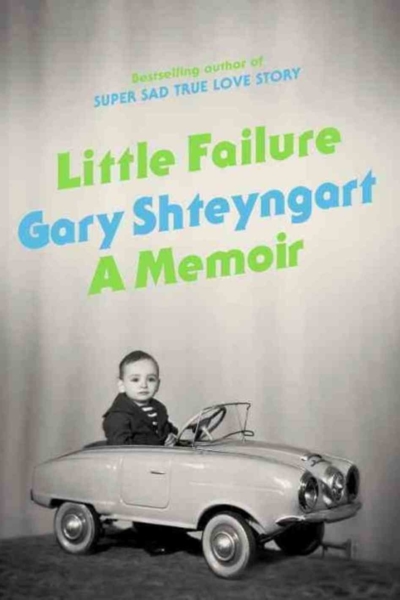
Little Failure – Gary Shteyngart
Little Failure depicts the trajectory of immigrant assimilation in this country, and the fast disinheritance of the past that either you or someone before you underwent to ensure that you function in the American present.
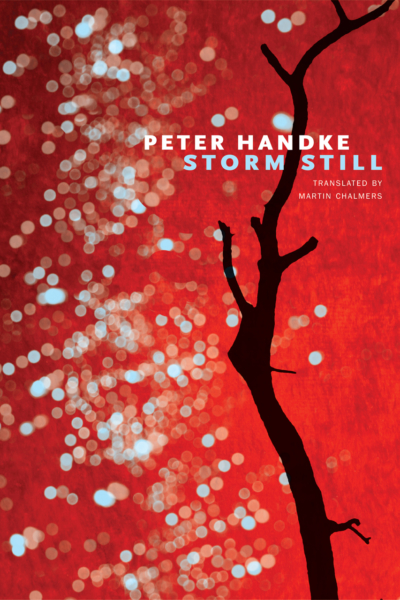
It is not uncommon in discussions of Peter Handke’s work for both Handke and literary critics to refer to a “text” of his rather than to a novel, a play, or a memoir.
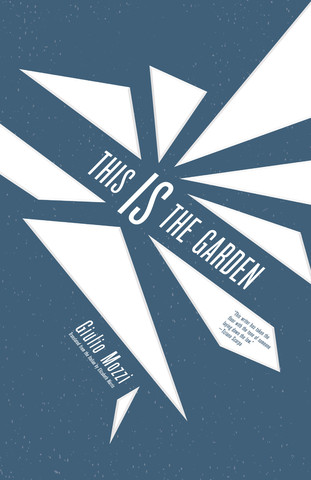
This Is the Garden – Giulio Mozzi
If only Tana could truly know another person, she need not learn that even heaven on earth itself cannot eliminate the human feeling of fracture.
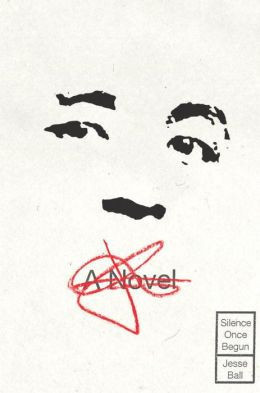
Silence Once Begun – Jesse Ball
Essentially, Ball poses the question: “Can any of us can truly know ourselves, let alone the others around us?”
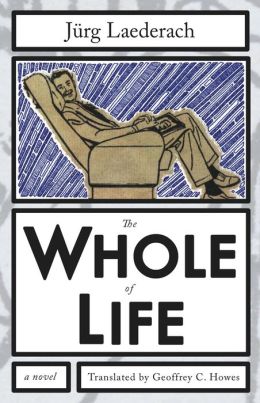
The Whole of Life – Jürg Laederach
Never before have I spent so long reading and re-reading a novel’s first page, trying to make sense of it. Already, I’d been tricked.