

The book foregrounds its seams because this book is also about its own making.
The Book of Resting Places – Thomas Mira y Lopez
Mira y Lopez’s encyclopedic interests flirt with the ready information saturation of the current moment, but his facile movement between subjects, both cerebral and intimate, honor the careful attention of authorship over hiveminded wikis.
Perhaps the novel’s greatest value is in demonstrating that unorthodox writing strategies need not make a literary work difficult for a patient reader.
Infinite Ground – Martin MacInnes
This is much more than a book with multiple endings (or even multiple worlds); this is an impressive exploration of porosity.
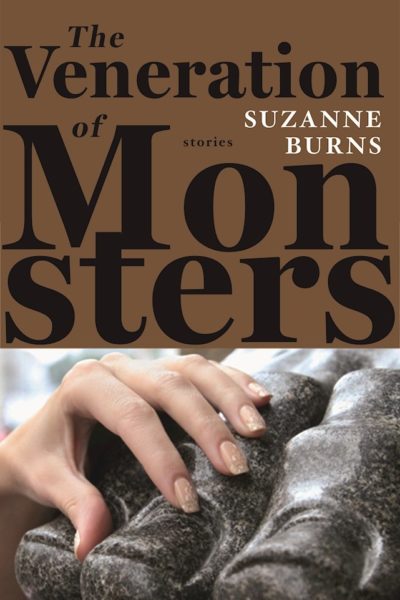
The Veneration of Monsters – Suzanne Burns
In THE VENERATION OF MONSTERS, the monsters emerge from the least-likely candidates: the cat lady, the suburban housewife, the librarian, the vacationing married couple. In other words, this is Burns exploring a more everyday strange.
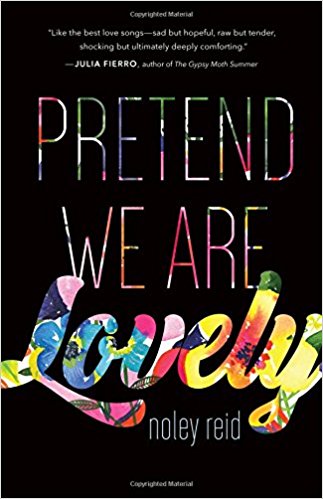
Pretend We Are Lovely – Noley Reid
You put pounds of candy in your freezer you guess to give you a false sense of abundance?, a tip from a self-help book on unfull hearts and how to handle them.
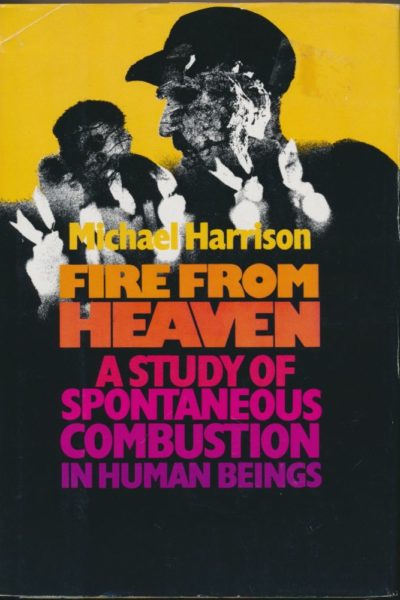
Fire From Heaven – Michael Harrison
While occultists, scientists, and mystics quarrel over the evidence, somewhere a person ignites without warning and burns to a pile of waxy cinders.
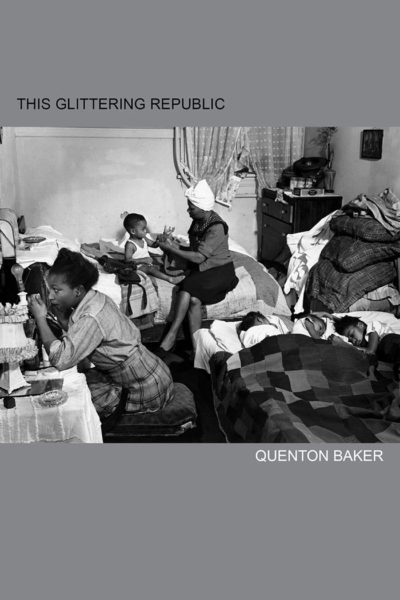
This Glittering Republic – Quenton Baker
If there is any possibility of freedom, REPUBLIC suggests, it lies only in mutual recognition. But the brutality of racist violence seeks specifically to destroy the possibility of that recognition.
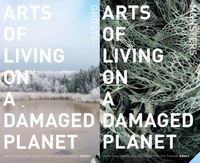
Arts of Living on a Damaged Planet: Ghosts and Monsters of the Anthropocene
These are ontological and epistemological accounts challenging the kind of Cartesian dualism and anthropocentric thinking Ghosh points to as giving rise to modernity’s deranged, novelistic view of our world.

Fictionalizing Anthropology – Stuart McLean
FICTIONALIZING ANTHROPOLOGY uses the decaying conventions of academic rhetoric to create a kind of speculative and essayistic social science nonfiction