

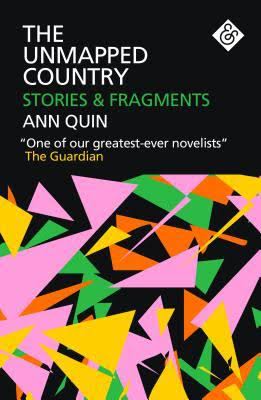
The Unmapped Country – Ann Quin
The substance of Ann Quin’s novels are not to be found in their stories but in the ways in which Quin displaces the story without ever quite abandoning it.
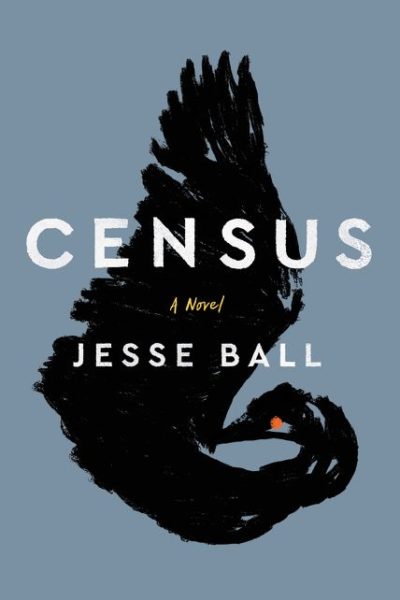
What should we expect of a novel? A momentary escape from gray-skied reality? A catalyst for personal realization? Census provided none of these possibilities for me.
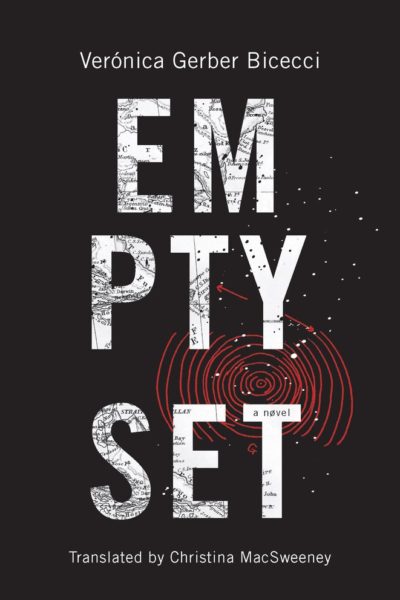
Empty Set – Verónica Gerber Bicecci
How do you render negative space, and if you can accurately describe it, is it really negative?
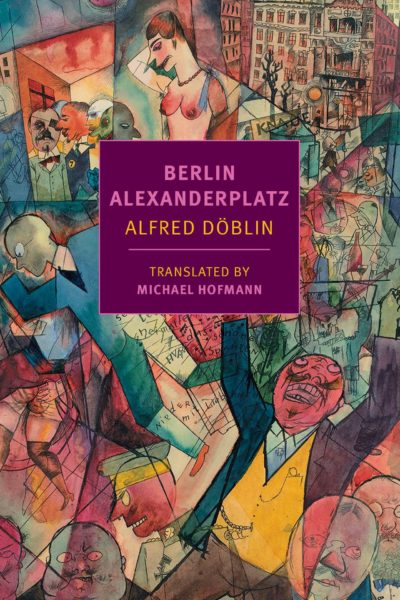
Berlin Alexanderplatz – Alfred Döblin
It’s a work wherein that which is nascent only moves in a single, inevitable line, to onomatopoeic beats of the novel’s closing words, “widdeboom, widdeboom.”
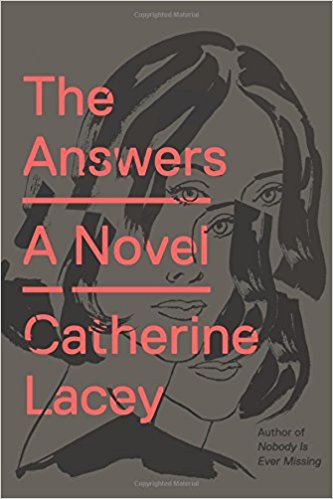
THE ANSWERS is a novel of great lucidity and actuality, an unsettling book that offers no answers but still provides provocative insight into some of the most frightening ethical questions of our times.
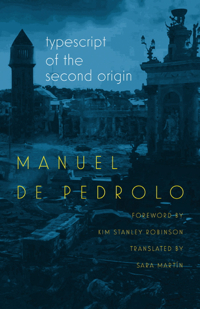
Typescript of the Second Origin – Manuel de Pedrolo
It was, perhaps, as if Frank Herbert had accidentally written THE HUNGER GAMES.
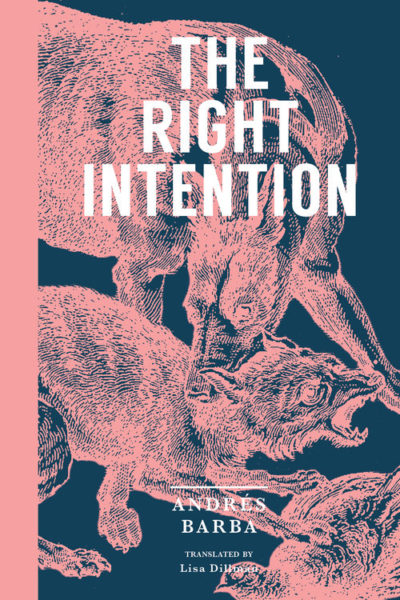
The Right Intention – Andrés Barba
Barba’s undeniable skill lies in crafting convincing characters that feel like friends, or like enemies, or like people you hope never to meet, whose downfalls feel dangerously possible.
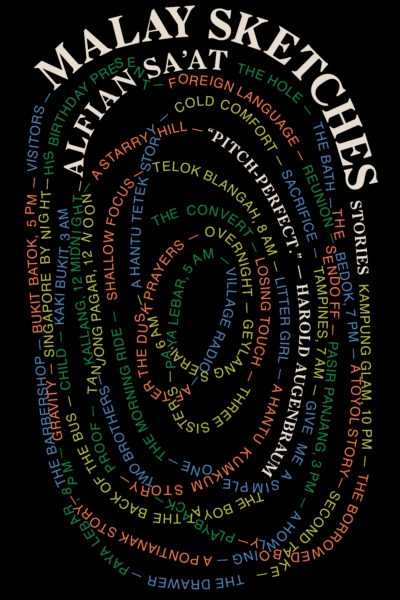
[MALAY SKETCHES] overlaps in terms of intention and effect, to an extent, with Frank Swettenham’s 1895 MALAY SKETCHES. The difference is that Alfian achieves what Swettenham could only attempt: to render the lives of a particular group of people authentically and humanely.
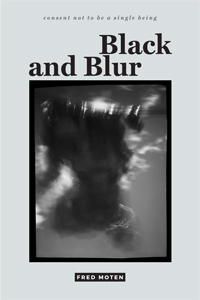
If the book is about anything, it is about spiraling through the cultural implications of keeping the “we” in “me .”
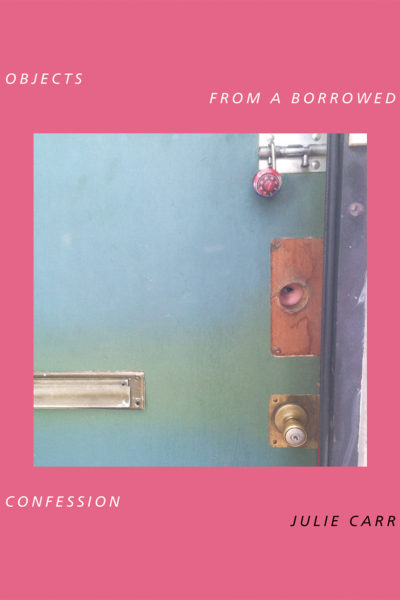
Objects from a Borrowed Confession – Julie Carr
Carr plays with the form of confessional writing, pulling the reader into personal stories of fear and death while maintaining a certain distance, purposefully working against the “I.”