

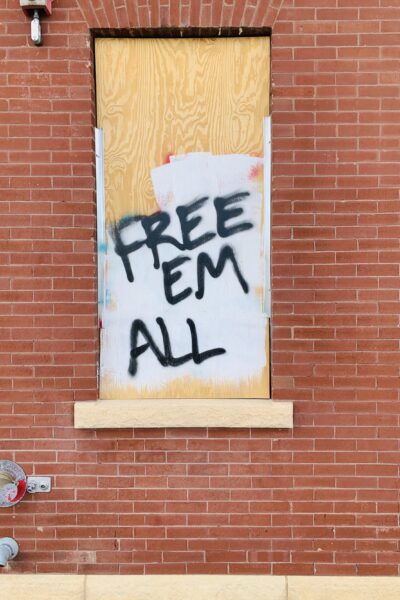
In Our Times, a Space, In Our Struggles, a Future: A Vision for the Worlds to Come
Ours is a world on fire, flooded, starved, wounded, violent, and oppressive and at the same time heroic, inventive, resilient, adaptive, beautiful, and endlessly imaginative.
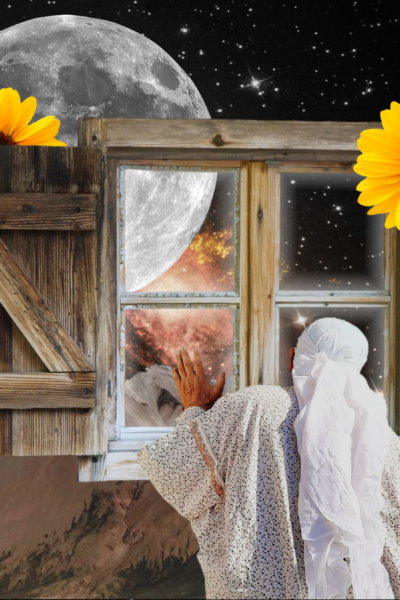
On the Poetics of Congregation amid Dispossession: A Conversation
The ghazal is a cumulative form that builds on established metaphors in a non-linear fashion. . . . I see tremendous liberatory potential in its cumulativeness. . . . When writing a ghazal, my poetic voice is not just my own, just like my pain is not just my own.
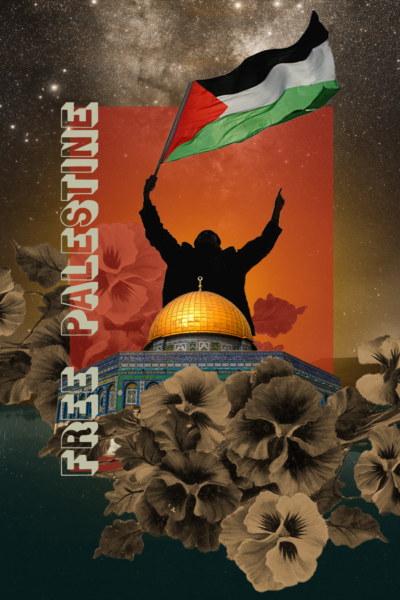
Giving Language to the Language of That Which Cannot Be Constructed
By imagining new worlds and countering Zionist mythologies that deny them their history, Palestinian poets challenge the colonial history into which they have been brutally implicated by the Israeli apartheid regime.
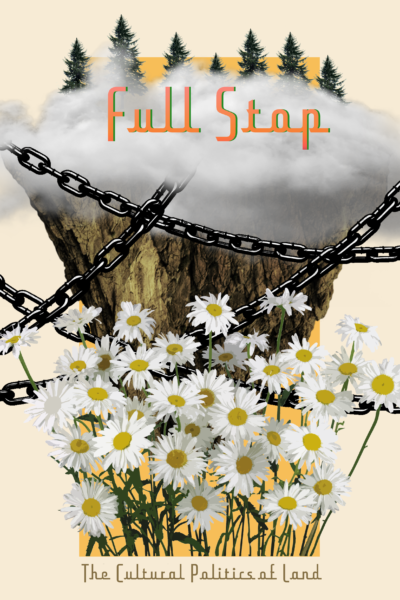
Full Stop Quarterly: Fall 2023
Communities in . . . different parts of the world face connected forms of political repression, which are themselves buttressed by racial and religious chauvinism, the political apparatus of the nation-state, and neoliberal free trade agreements. . . . In these land-based struggles, cultural production has functioned as a unique political tool.
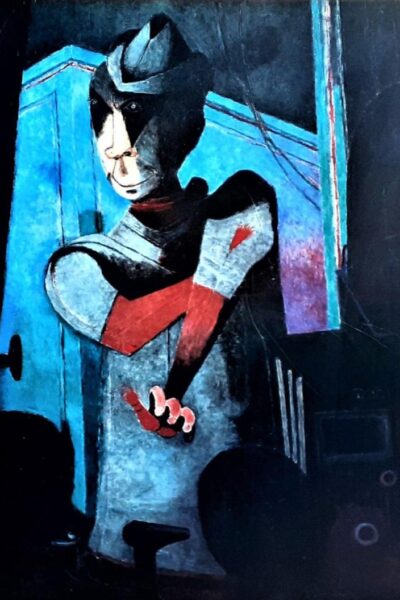
Good, Bad, and the Complete Opposite: Cynicism in Golden Age Mexican Cinema
Cantinflas is the inheritor of millennia of cynicism, a philosophy “pioneered” by the barrel-living, work-scoffing Diogenes.

I wanted salvation without the fall; I wanted art to save me from life.
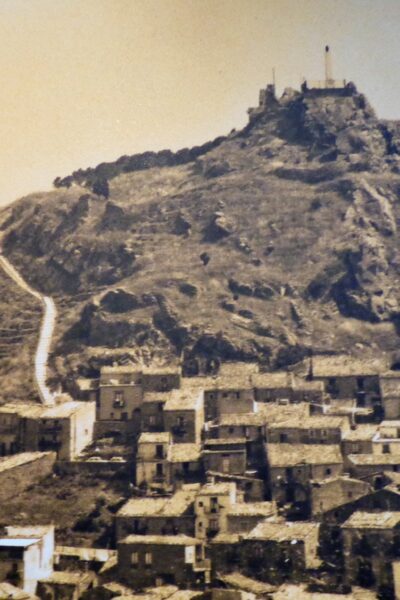
Messina’s writing is bleak and tender and honest and is not trying to persuade me of anything, least of all that things will work out.
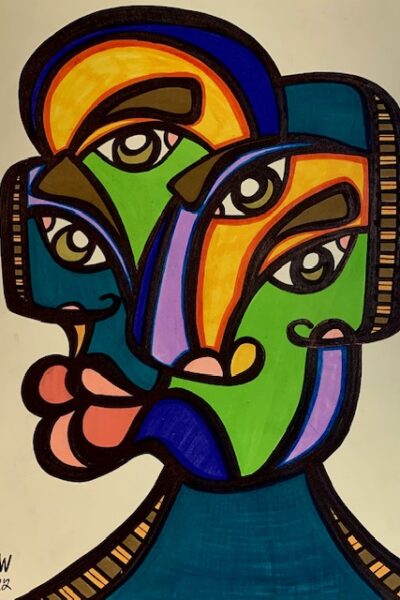
Daria Morgendorffer, Jodie Landon, and the Privilege of Cynicism
Why is cynicism so seemingly tied to whiteness?

If all we do is oppose suffering, we’ve missed out on something important. . . . We lose something of our humanity.
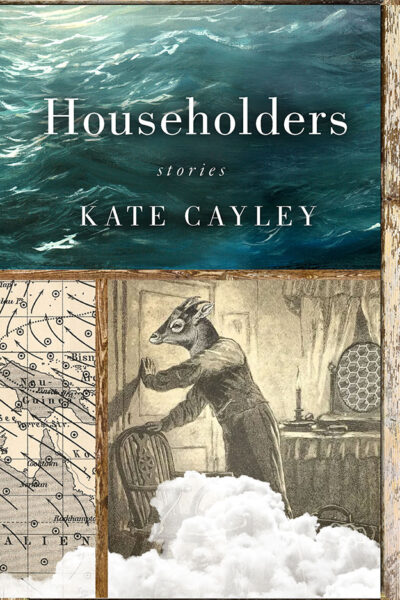
What happens to idealism across time, across a lifetime, across generations? And how do we—or should we—respond to a failed utopia?