

Yes to magic. I’ll take magic wherever I can find it. As a writer I’m always drawn to the irrational, and that’s where I always begin.
It’s hard to have the trap attitude when I’m in the plaza exercising with the old ladies and their dogs.
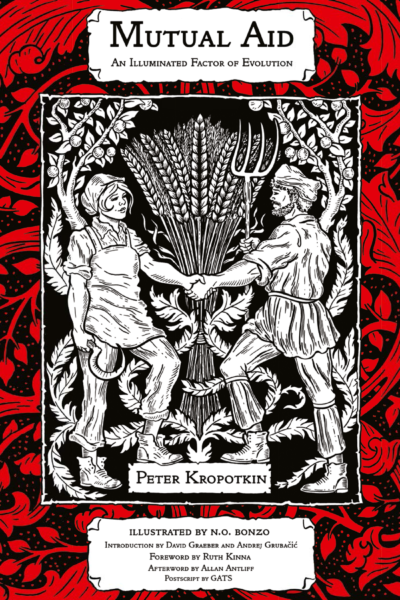
That is the way a lot of these simple anarchist texts grab a lot of people. There is a sense of a weight being lifted from your shoulders and that things don’t have to be the way they are. You don’t have to fuck people over to survive.
All in all, I’m a sort of literary smuggler. I try to smuggle forgotten, less known literary values to “Western audiences.” Do you know what premastication, or pre-chewing, or kiss feeding is? That’s what I did in Fox.

All we really had for an idea was “what if there was a weird place where cows could talk?” It’s funny to look back at the initial seeds we planted and how much the project has exploded since then.

I think that language, for many people of diaspora, is certainly and can be a source of both loss and regeneration.
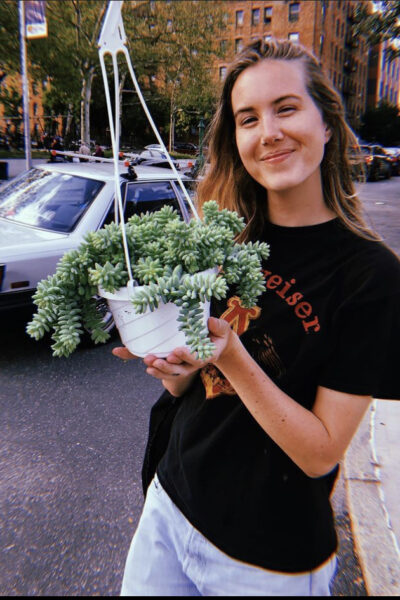
It’s like my little poem is the concatenation of multiple tiny decision-making processes that both solicit and elude tracing, by the reader or by me.
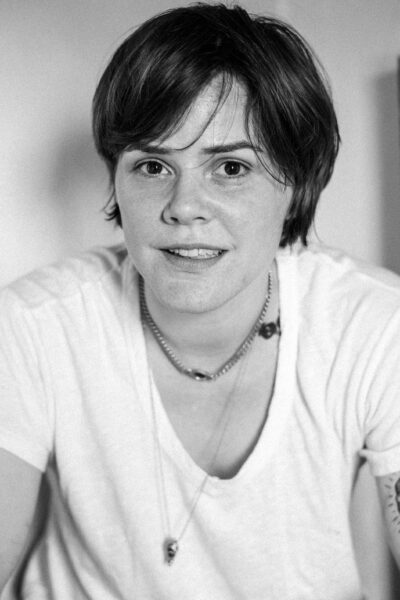
I want to have hope, but I’m also suspicious of all hopeful things. [Laughs.]

There’s a way in which trauma exerts pressure both on our bodies and psyches as well as on our relationship to objects, places, and things.
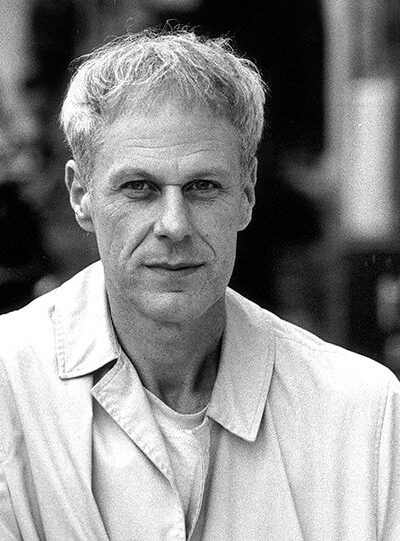
A novel isn’t a painting, it’s language that’s been organized until it has the power to bombard pleasurably. The premise that ‘showing’ is somehow more respectful to a reader than ‘telling’ is illogical nonsense.