

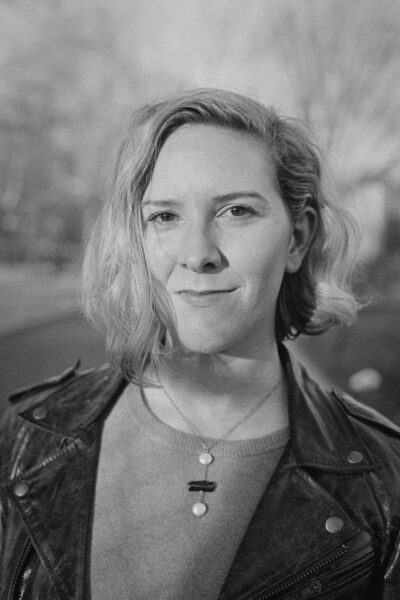
Isn’t the self always most legible in relationship, whether to another person or to the words we begin putting on the page? Perhaps to be a poet or writer is simply to continue to think of writing as a medium for relating to self and to world no matter how long you go without doing it.
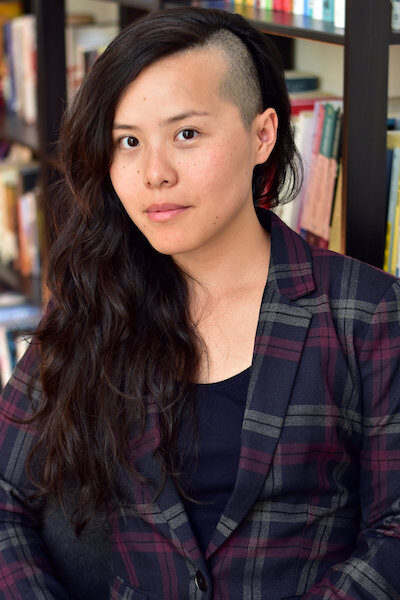
Isn’t it remarkable that we can read and write beyond that, to what can only be imagined? Wouldn’t it be a shame not to take advantage of that?
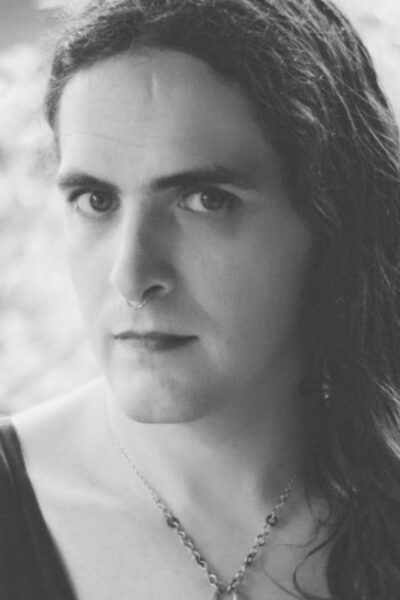
The struggle to free oneself or defend one’s freedom or the freedom of those near you, is worth celebrating. But the physical act of destroying each other is complicated and messy at best.
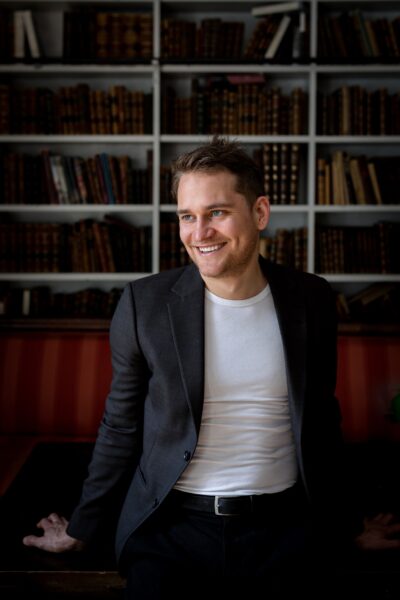
Gilgamesh is like a more complex version of a Rorschach test, a literary kaleidoscope that you can turn many ways and see so many patterns within. What you pick out often says a lot about you.
Yes to magic. I’ll take magic wherever I can find it. As a writer I’m always drawn to the irrational, and that’s where I always begin.
It’s hard to have the trap attitude when I’m in the plaza exercising with the old ladies and their dogs.
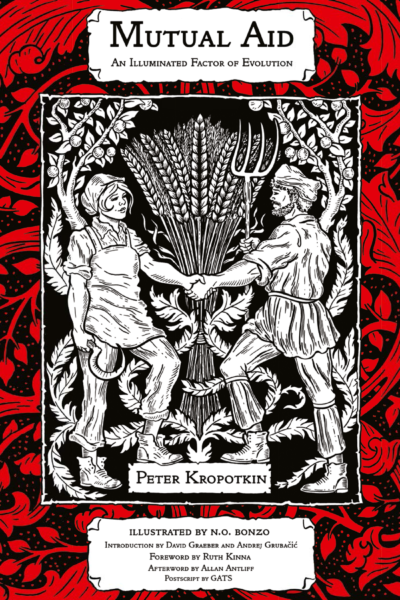
That is the way a lot of these simple anarchist texts grab a lot of people. There is a sense of a weight being lifted from your shoulders and that things don’t have to be the way they are. You don’t have to fuck people over to survive.
All in all, I’m a sort of literary smuggler. I try to smuggle forgotten, less known literary values to “Western audiences.” Do you know what premastication, or pre-chewing, or kiss feeding is? That’s what I did in Fox.

All we really had for an idea was “what if there was a weird place where cows could talk?” It’s funny to look back at the initial seeds we planted and how much the project has exploded since then.
I think that language, for many people of diaspora, is certainly and can be a source of both loss and regeneration.