

My approach was very improvisational, very “yes and” . . . It was a practice of inclusion, of inviting in all the strays.
When something is false in a draft, it’s often because I haven’t yet seen a character with a fullness of heart.
Grief is a measuring of distances, ones that cannot be narrowed or crossed.
Jeff Alessandrelli and Alexis Orgera
We’ve each written books that feel more personal and intimate to share (particularly at readings) than we expected. . . We both feel naked in front of the classroom, so to speak.
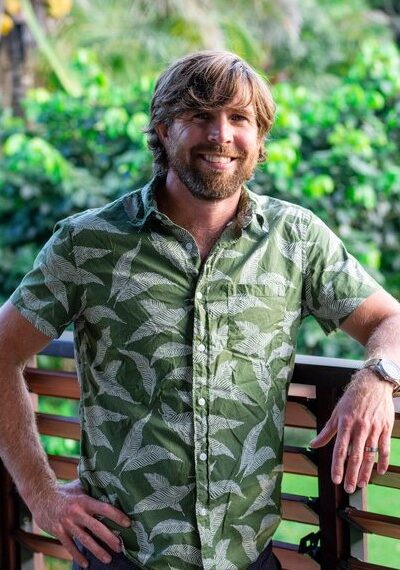
I wanted to see how much I could smuggle into this novel that isn’t necessarily aimed at the kind of readers I’m used to, like my friends or the broader literary community.
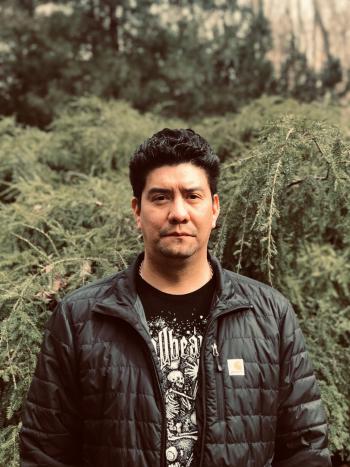
Simply existing, writing through doubt and degradation, is a Native way of being in literature.
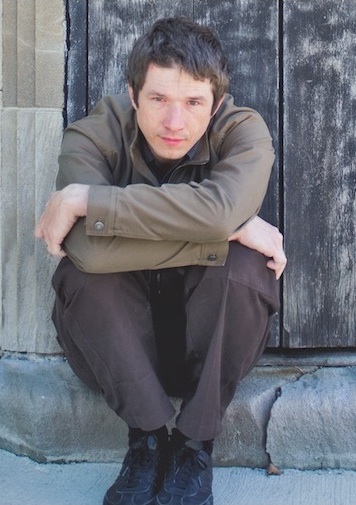
I have never had any faith in ideas of originality or concrete human identity. Things flow through us. Our work isn’t ours and can’t be.
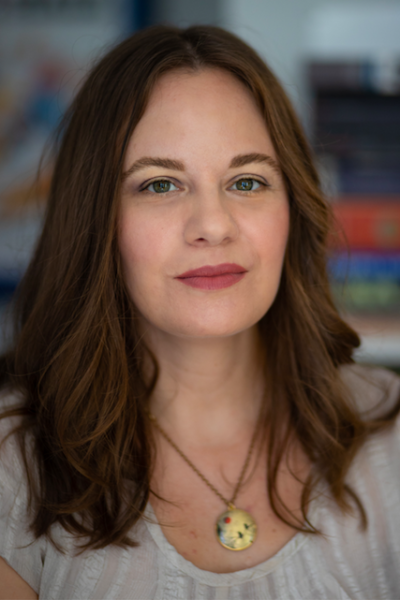
I think part of giving female characters their full humanity on the page includes letting them be ugly and dangerous and selfish in their behavior, wherever it might stem from.
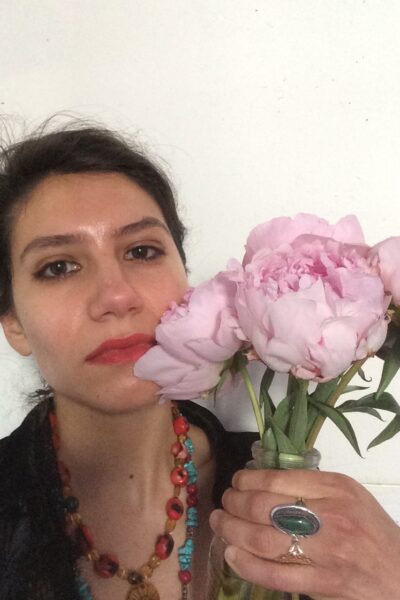
I think people are realizing that no state is ever going to love you. No law enforcement agency is going to put food in your mouth or tuck you in at night.
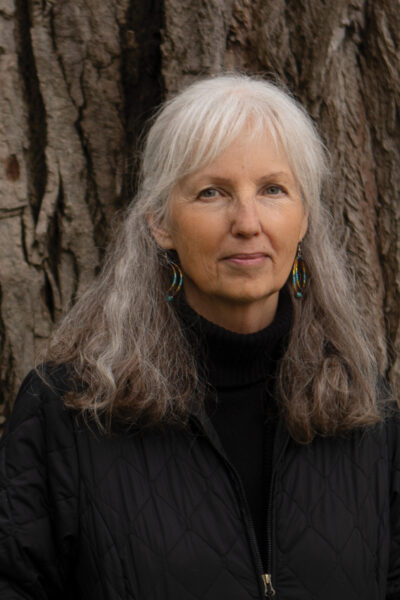
Relationships with plants naturally give way to relationships with people too, and this is all separate from notions of work.