


The Social Prescience of Fiction
Examining a social conscience in Truman Capote’s early stories.
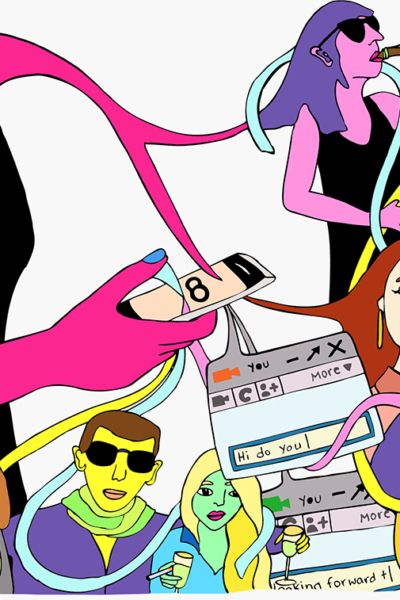
I don’t actually know where my faculties are
Platforms like Facebook require consistency between one’s online and offline selves. But maybe there’s something unnatural about trying to force this consistency.
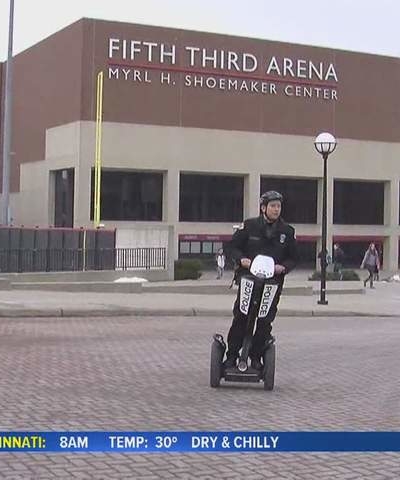
The University of Cincinnati police ride Segways.
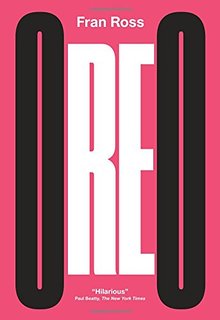
Ross’s novel offers readers an unending stream of snort-worthy punchlines with implicit boundaries for who can access this story and how they can.

Saterstrom gives voice to one of the American untouchables. It’s a complicated, beautiful, whimsical, troubling, and heart-breaking voice.
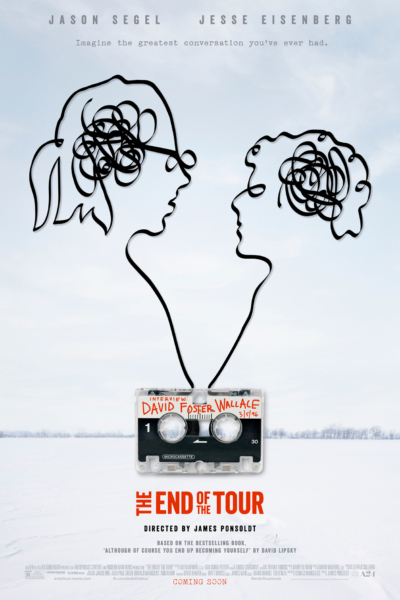
The reality of David Foster Wallace’s life is minimized, if not quite evaded, by what the screenwriter and director omit or massage to keep The End of the Tour on a predictable narrative arc and a comfortable, mostly comic plane.
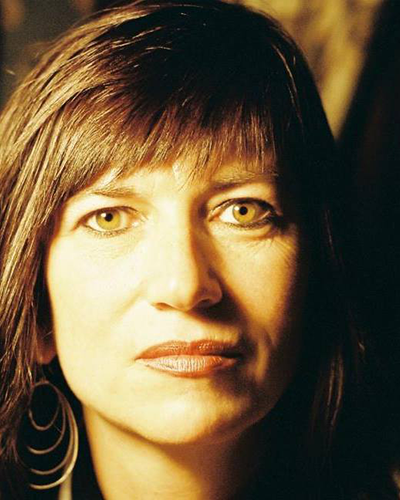
I believe that if you become too aware of or too focused on your intention, you’re likely to end up dead in the water.

The Beautiful Bureaucrat – Helen Phillips
The Beautiful Bureaucrat revels in its playful and dark take on contemporary life, and yet never loses sight of its commitment to the brazen, and perhaps stupid, curiosity of the human.
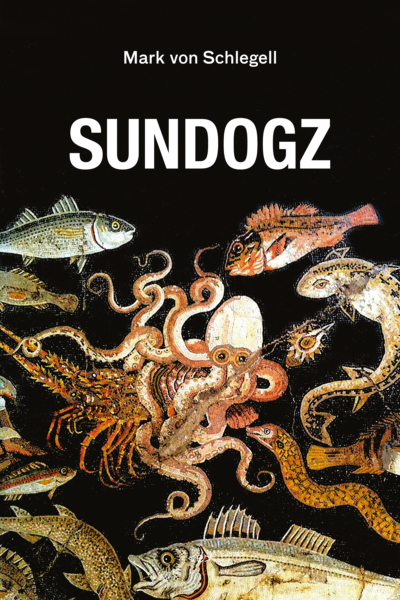
A theatrical production of Shakespeare’s Pericles utilized the brain waves of its performers to project a poetic spectacle, a dreamlike, semi-unconscious generation.
In the rush to get to the bottom of our own obscure or banal questions, it’s easy to ignore what these predictive searches really are: a kind of social cipher, an anthology of digital anxieties, a collective dreaming.