

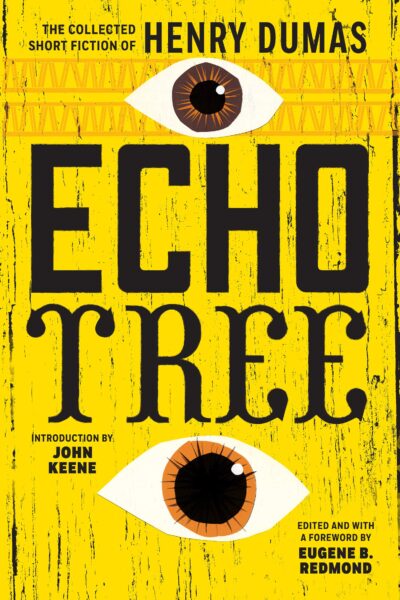
[ECHO TREE] surely does underscore Dumas’s talent as a writer of fiction, although at the same time reminding us that he was so barbarously prevented from fully harvesting that talent.

Kӓsebier Takes Berlin – Gabriele Tergit
In its satirical and often detached portrayal of fame, Kӓsebier Takes Berlin marks an intriguing departure from the intense psychological novels and moody literary montages of its era.
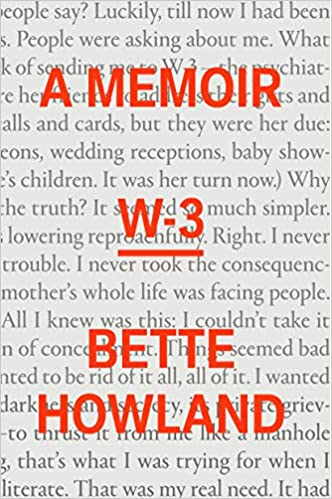
The radicality of W-3 lies there: it is imaginative, as a form, because it is a narrative about the banal, moving contradictions of people who experience madness.
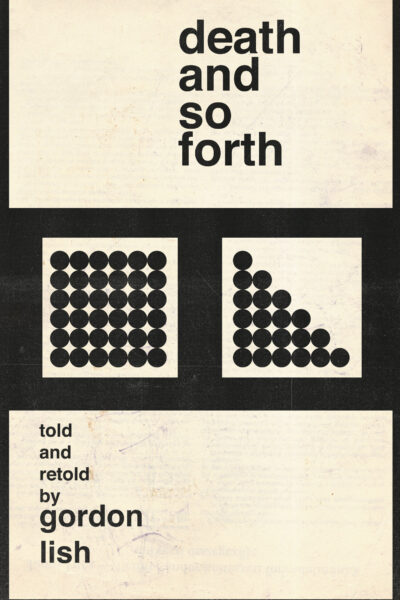
Death and So Forth – Gordon Lish
These might be old tricks (for Lish), but they are still good tricks.
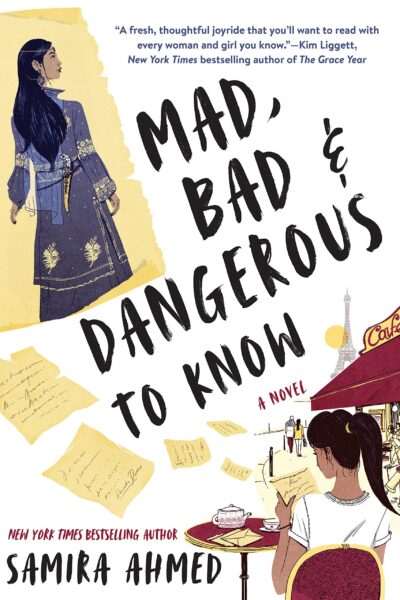
Mad, Bad & Dangerous to Know – Samira Ahmed
As much as Mad, Bad & Dangerous to Know is a familiar novel about the teenage longing for identity, it is also guided by a profound ethic of repair, suggesting that one’s sense of self in the present is dependent upon a recovery of the past.

Rabbit Island – Elvira Navarro
Taking little delight in the absurd, Navarro plunges into the despair, horror, and alienation of a society in steady retreat before the very irrational forces it aims to suppress.
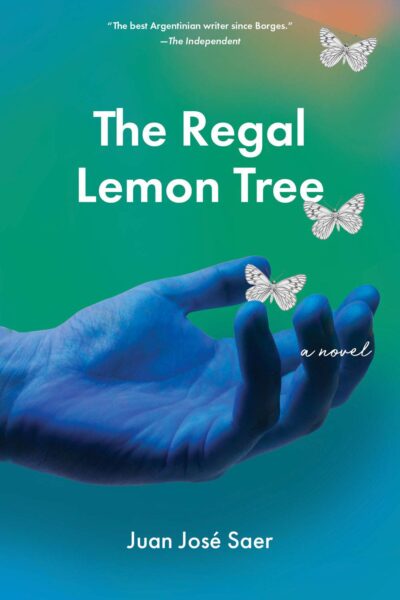
The Regal Lemon Tree – Juan José Saer
I think of the late Argentine author Juan José Saer as a writer of light and shadow, but The Regal Lemon Tree is a book of sound.
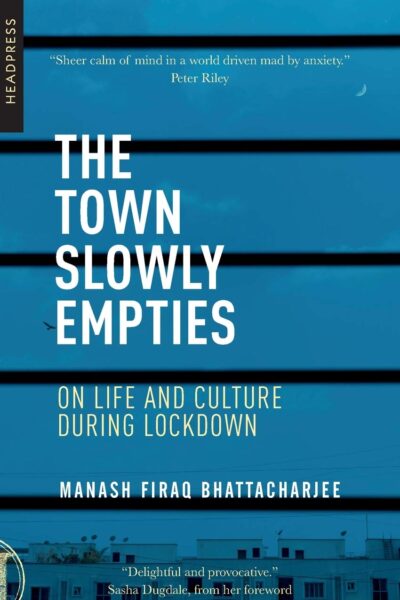
The Town Slowly Empties – Manash Firaq Bhattacharjee
It is this exchange of revelation and recognition between the narrator and the reader that holds together the different leaps of scenes, visuals, and words in the book.
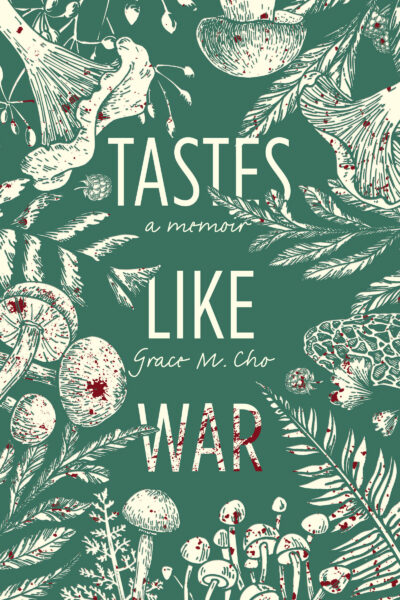
Tastes Like War – Grace M. Cho
In Tastes Like War, Cho has sent a vital current through a history towards a more considered life, a more felt conception of history as it involves us.
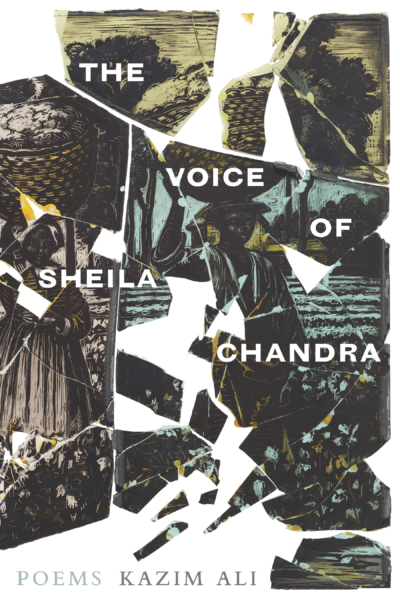
The Voice of Sheila Chandra – Kazim Ali
Writers negotiate their own relationship to silence — as canvas, as collaborator, as agent to frame or defy or defile.