
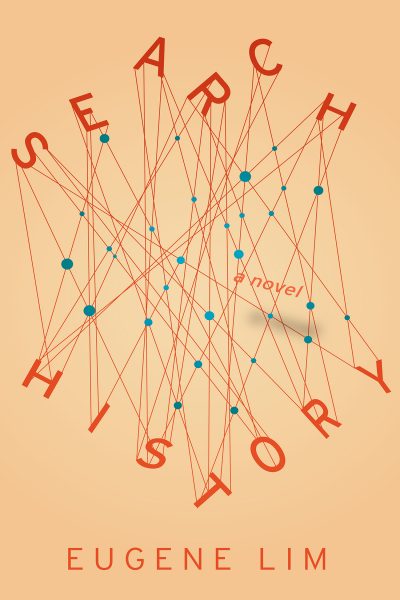
Lim’s novel promises the disorientation of a house of mirrors.
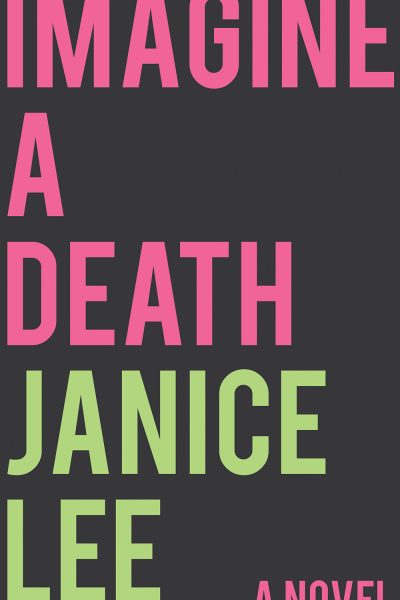
Lee’s novel is a representative of a new wave of apocalyptic literature where ecological and societal collapse do not automatically displace personal trauma and toxic social hierarchies, but rather, complicates them, allowing us to fashion new worlds for ourselves in the cracks of our collective disenchantment.
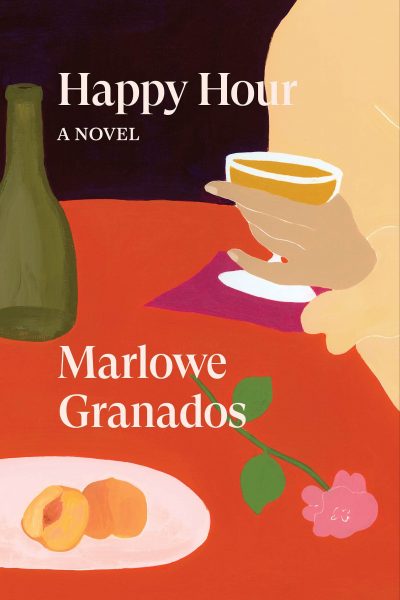
Suffering doesn’t actually have to be a prerequisite for having the right to be creating something, nor does anyone actually have a god-given directive to whittle their suffering into something to be offered up to a market.
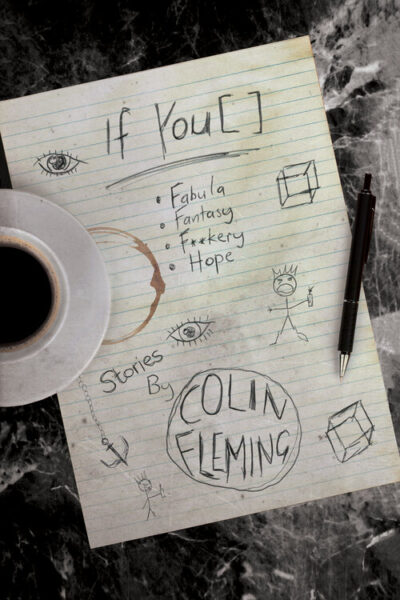
If You [ ]: Fabula, Fantasy, F**kery, Hope – Colin Fleming
When I read these stories, my brain purrs.
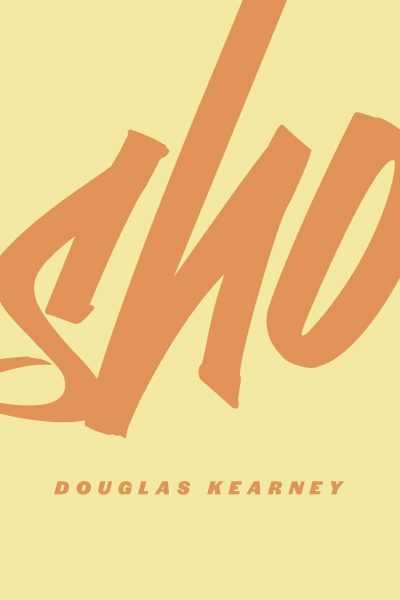
Kearney’s poetic performance is breaking the very institutions that claim to define it — and bend us all, like a horse.

Kinderkrankenhaus – Jesi Bender
Jesi Bender is an adroit magician of the reshuffled phoneme. The author deconstructs and reconstructs language through verbal play, and in the process reveals that new worlds can be coined, just as words can.
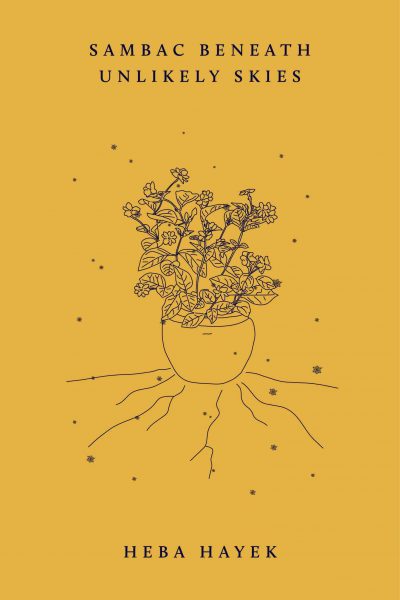
Sambac Beneath Unlikely Skies – Heba Hayek
What Hayek accomplishes with her debut collection is to transcribe the crisis of categorization that defines the Palestinian experience.
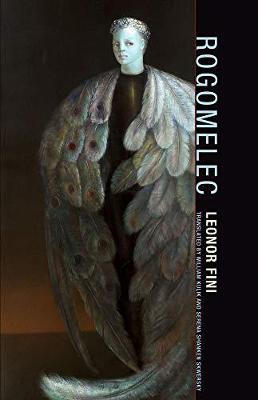
ROGOMELEC is a collection of surrealist vignettes, conjoined by non-sequiturs. The novel is opaque, and that’s how Fini likes it.
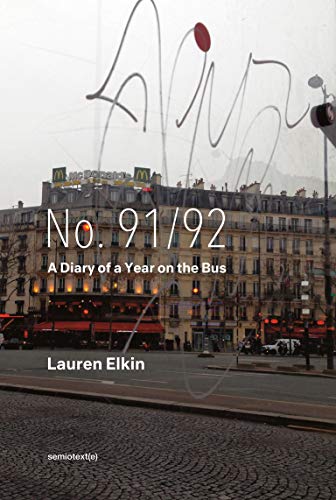
No. 91/92: A Diary of the Year on the Bus – Lauren Elkin
Elkin adopts Georges Perec’s diaristic form and heightened engagement not only to lovingly render a place but also to represent the self within the collective of the Parisian community.
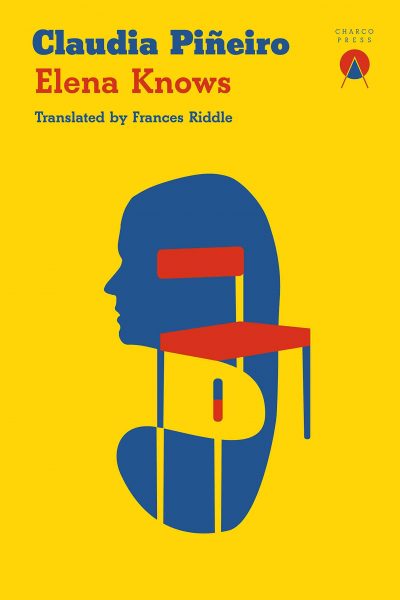
This novel is a miraculous feat: a novel that denounces injustice, advocates for the elderly and the ill, and clearly advocates for access to abortion, without giving up style or literary verve.