

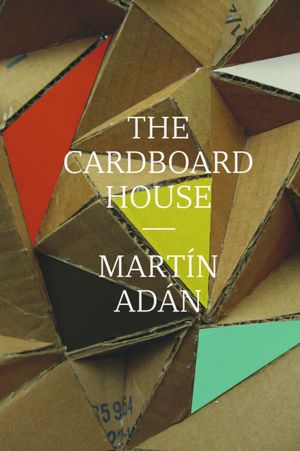
The Cardboard House – Martín Adán
In a new edition, THE CARDBOARD HOUSE loses the raw feel of a manifesto.
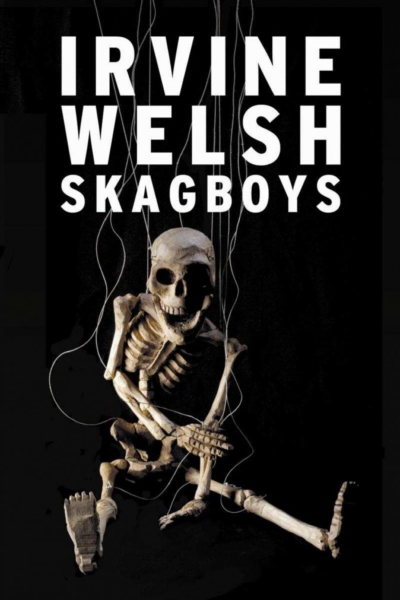
Serving as a prequel to TRAINSPOTTING, it’s clear there won’t be a “happy” ending to this book.
In Between Days – Andrew Porter
Love that was supposed to last forever doesn’t end, exactly; rather it becomes transmuted into nostalgia for what used to be but is no longer livable.
Planned Obsolescence – Kathleen Fitzpatrick
It’s certainly no secret that the status quo of the scholarly publishing economy has been a straight-up racket for some time now.

Down the Rabbit Hole – Juan Pablo Villalobos
Like its pintsize narrator, this novel divulges an unnerving inner darkness beyond its dainty exterior.
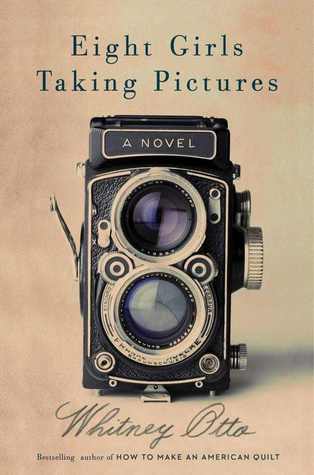
Eight Girls Taking Pictures – Whitney Otto
I don’t want to say that Eight Girls has ruined these photographers for me, but by the end of the book, they’re obscure to me now, they’ve become half-people, cardboard stand-ins.
A Working Theory of Love – Scott Hutchins
Only in San Francisco, a city living in perpetual danger of the power of the San Andreas Fault, could love be seen as a “territory all its own[,] prone to seismic trickery.”

The Polish Boxer – Eduardo Halfon
“As we write, we know that there is something very important to be said about reality, that we have this something within reach, just there, so close, on the tip of our tongue, and that we mustn’t forget it. But always, without fail, we do.”
Laura Lamont’s Life in Pictures – Emma Straub
It all happens like a Disneyland ride, one where the reader is buckled into a narrow cart and pushed along on a track past miniature scenes backed by relentlessly tinkling music.
Big Ray concerns itself with the leviathan and loud, but it accomplishes this quietly.