


As post-apocalyptic as they come, Sift refuses to imagine a return to agriculture and self-government. The world truly and finally ends.

Even in an age of exhausted postmodernity, in which there’s supposedly nothing new under the sun, the imagination may give rise to something unforeseen, unprecedented: We’ll know it by our laughter.
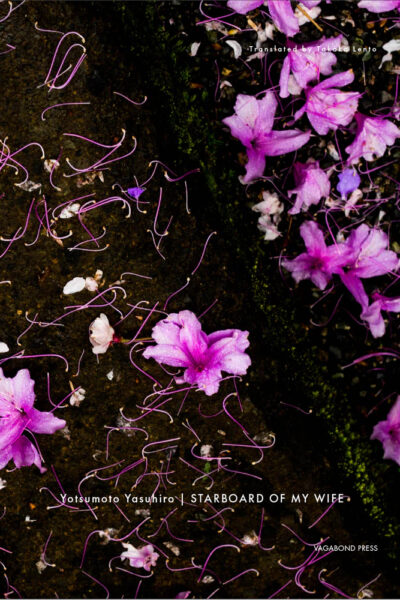
Starboard of My Wife – Yotsumoto Yasuhiro
The stuff of life, no matter how quotidian—indeed, precisely because it is quotidian—becomes the raw material for invention, like a long marriage.

At the Edge of the Woods – Kathryn Bromwich
“Santa, strega, saint, witch.” Names matter, and Laura wonders which is true of her. Is she a woman made holy by an ascetic control over her impulses, or is she a witch marked as dangerous for conceding to her impulses?
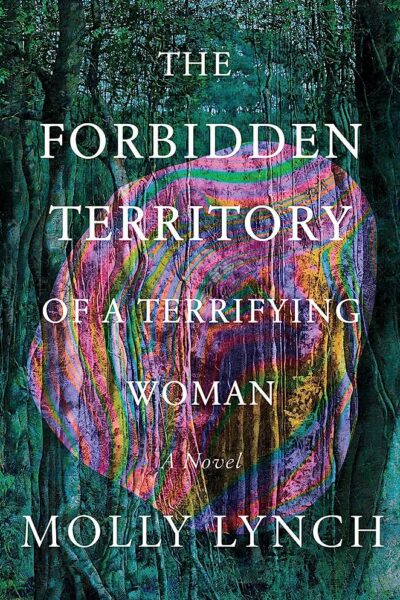
The Forbidden Territory of a Terrifying Woman – Molly Lynch
It’s unclear what happened to the mothers; it’s unclear what they did in their tranced, “fugue state” bodies, where their minds went, what controlled them, and what compelled them to leave in the first place.

By the Rivers of Babylon – António Lobo Antunes
A leisurely drift through the circadian rhythms of night and day, while past and present elements mingle in a hospital room, as a projection of the protagonist’s consciousness.
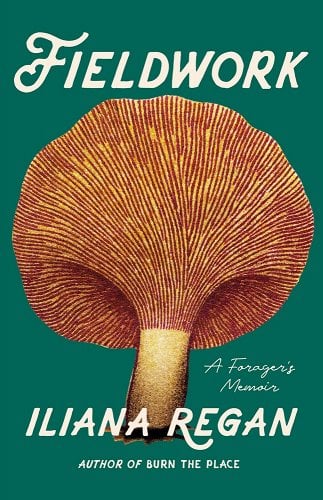
Fieldwork: A Forager’s Memoir – Iliana Regan
There are richer, more precise, even languorous ways to go about describing one’s fascination with the earth.

The House Inside the House of Gregor Schneider – Gary J. Shipley
That something lets itself be replicated, ad infinitum . . . brings forth the idea that the truth may be singular but its expressions are many.
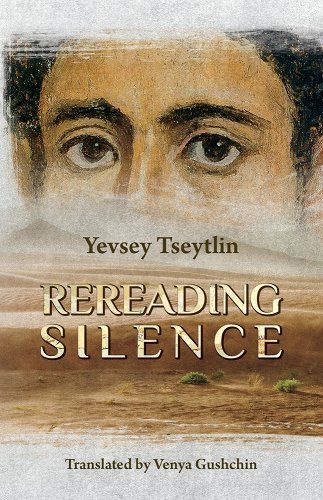
Rereading Silence: From the Diaries of Those Years – Yevsey Tseytlin
Rereading Silence is a diary and a confession, a portrait of an incredibly cruel epoch and of the narrator’s soul.

All-Night Pharmacy – Ruth Madievsky
Despite the sedating effects of the opioids the narrator consumes, Madievsky’s prose is clear and insightful, rivaling William S. Burroughs’s dizzying classic, Naked Lunch.