
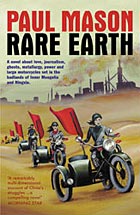
Rather than leaving readers to guess what has been left out, as in a news article, Rare Earth forces readers to filter reality through its virile, imaginative expanse.
Satantango – László Krasznahorkai
It’s a bestiary of pathetic individuals worthy of Chaucer, Dickens, or some of the more involved Bob Dylan songs.
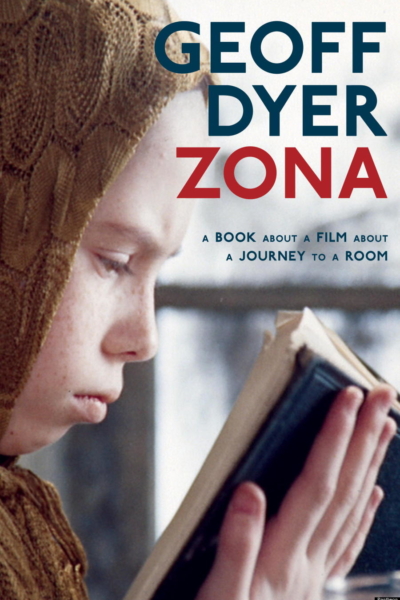
Dyer’s many digressions are all attempts to describe a relationship to a single piece of art in something approaching fullness.
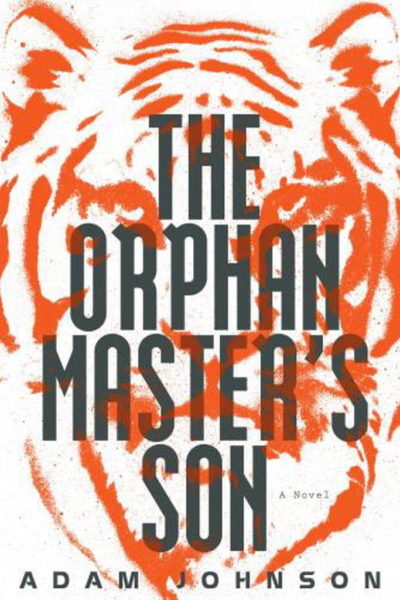
The Orphan Master’s Son – Adam Johnson
The Orphan Master’s Son is beautiful, heart-breaking fiction. But to write of things that some would call genocide as, “the slow endless pitch of everything to come,” is just too lovely, too contemporary, too literary.
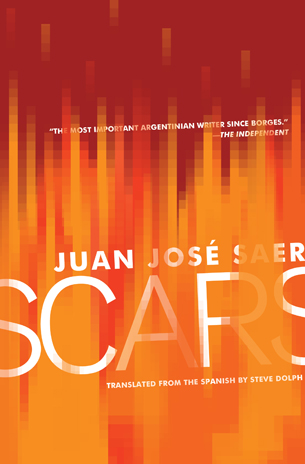
The killer says one sentence, “The pieces can’t be put back together.” Then he jumps out the window.
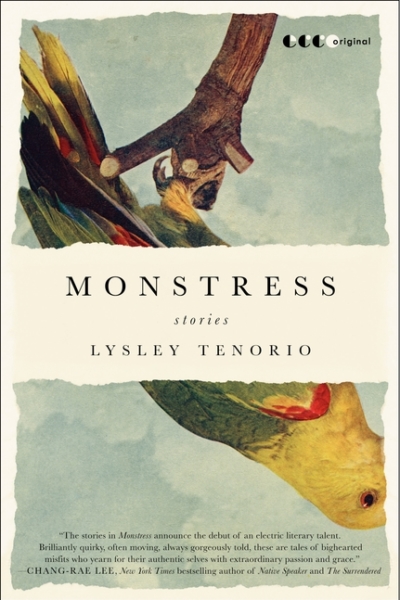
Though it might sound like a disservice to say that the stories feel a bit formulaic or even repetitive, it’s actually more of a backhanded compliment.
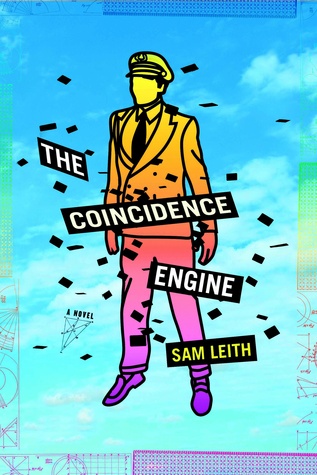
The Coincidence Engine – Sam Leith
THE COINCIDENCE ENGINE cycles through different levels of weirdness before discovering that it wants to be about struggles we have with ourselves.
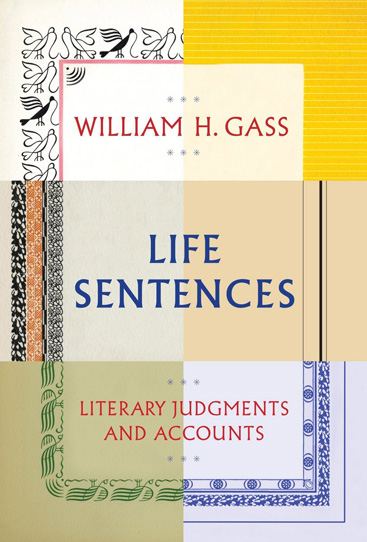
Life Sentences – William H. Gass
A man in his library, padding from shelf to shelf, drifting from book to book, running his fingers along dusty spines, maybe reading a sentence or two before moving on — if this sort of belles-lettristic languor strikes your fancy, then Life Sentences might be for you.
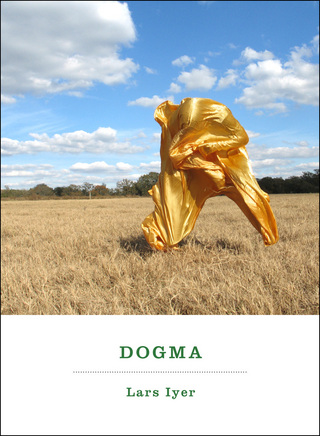
The book does for the novel what modal jazz did for soloists: uncouple your improvisations from a rigid structure, radically simplify your range, and you’ll be shocked to hear how good this new freedom sounds.
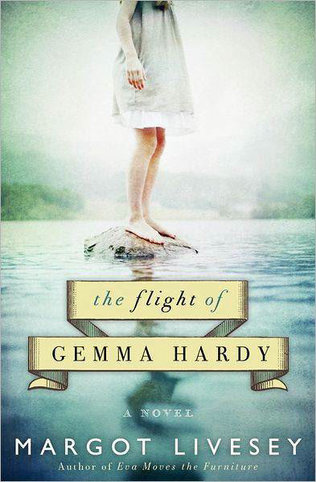
The Flight of Gemma Hardy – Margot Livesey
Livesey takes some of the fire out of Brontë’s novel without fully justifying her milder, more sentimental take.