
How Do You Live? is of great value to the global generation that is coming of age in a time of so much uncertainty — political and economic changes, new technologies, covid, global warming, and so on — and wondering how to live their lives in the face of it all.
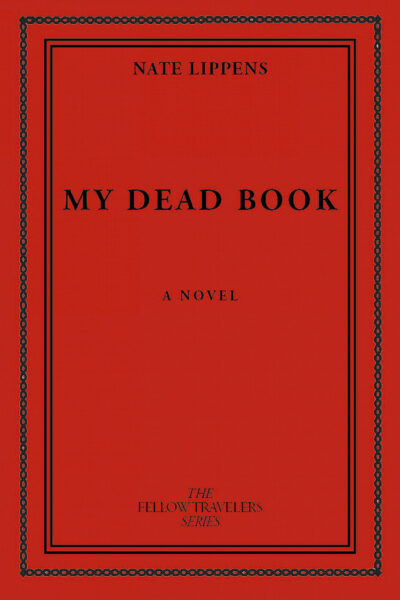
My Dead Book should be a model for other entertainment, which is often too saturated with denial to be believed, even as a distraction.
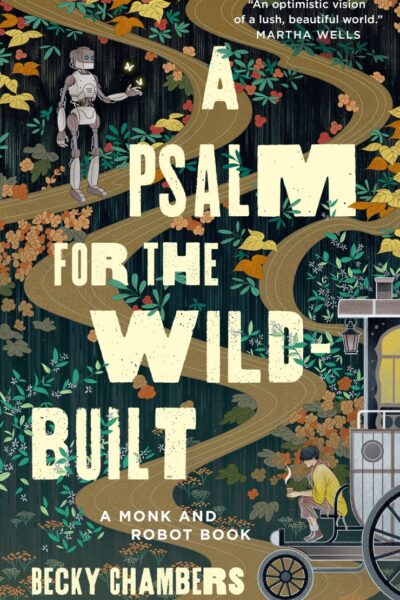
A Psalm for the Wild-Built – Becky Chambers
Humanity has built up robots so completely that it has become clear that they are sentient and deserving of legal personhood, and their foundational role in our chain of production is one that robs them of their freedom

Out of Nowhere into Nothing – Caryl Pagel
Pagel’s collection of 10 braided essays tour the personal, the grotesque, the uncanny, and peculiar — a constant reminder of our attachment to the invisible.
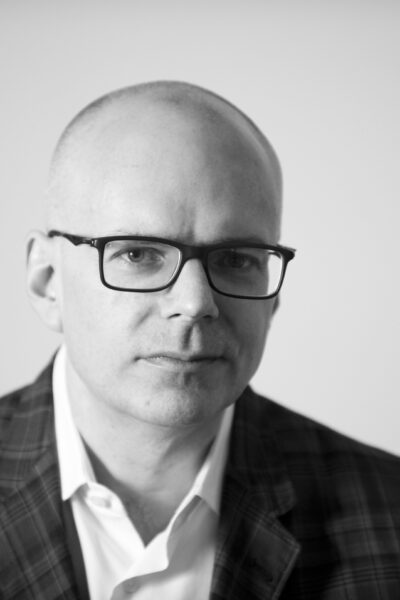
If corporations are people, what are people?
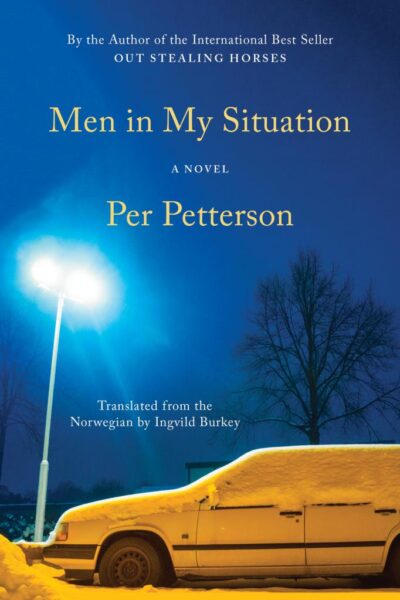
Men in My Situation – Per Petterson
The writer returns to the trauma every decade or so to see if this time his stunt man can catapult himself into the twenty-first century.

The Communicating Vessels – Friederike Mayröcker
Ultimately, more than positively being about something, the book hints at eliminating such a possibility altogether.
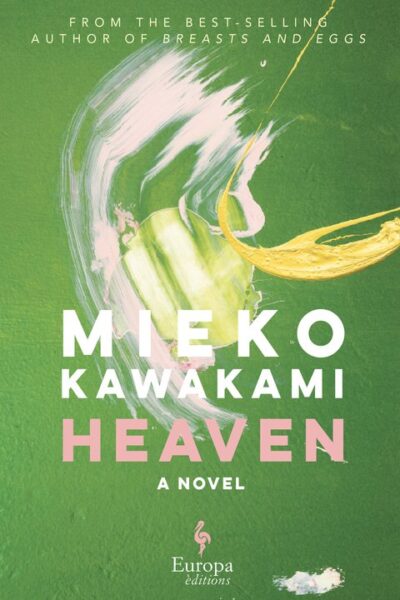
Another departure in Heaven is the refusal to acknowledge death as the final act of human life.
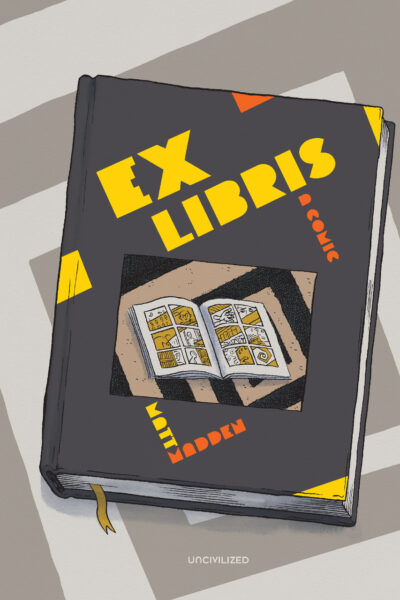
While the moral of EX LIBRIS may feel a touch on-the-nose, in a time when new forms of media have weaponized our penchant for groupthink, and inherited ways of life are leading us into ecological collapse, I’m not sure it has ever been more important for us to hear it.
Isn’t the self always most legible in relationship, whether to another person or to the words we begin putting on the page? Perhaps to be a poet or writer is simply to continue to think of writing as a medium for relating to self and to world no matter how long you go without doing it.