

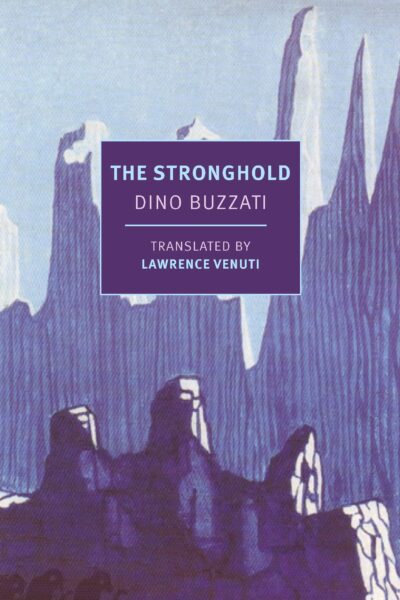
The possibility of Tatars, or in fact anyone, attacking the Fortezza, are not the real danger. Instead, time, rumor, and misplaced trust are the ultimate foe.

That sense of the un-holdable world-horrors and calls to action alongside pictures of scarves that my friends knitted and soup that they made and thirst traps and flowers and trees and cats, the sort of simultaneity and unprocessability . . . vibrating in your pocket, definitely fed METABOLICS.
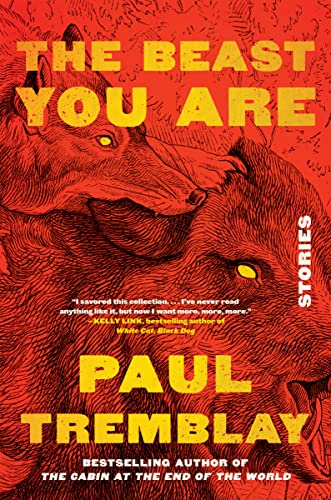
The Beast You Are – Paul Tremblay
Short fiction is its own country in the horror world. . . . You have less time to pull off a grand narrative feat, so you have to keep it simple. This is a tall order for Tremblay, who must try to stamp his brand of ambiguity onto a format that demands precision.

Puta Life: Seeing Latinas, Working Sex – Juana María Rodríguez
How does our obsession with narratives of despair obscure moments of pleasure that also shape sex workers’ lives?
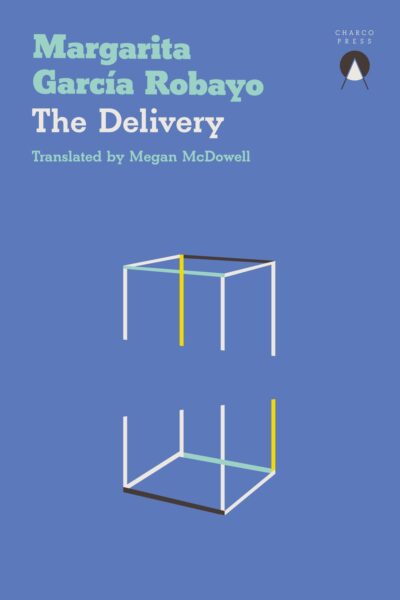
The Delivery – Margarita García Robayo
Languages are not internally coherent, fixed entities. Instead of assuming that all speakers of a language can understand each other with perfect ease, The Delivery reveals the fissures, gaps, and spaces of incomprehension that can exist between speakers of the same language.
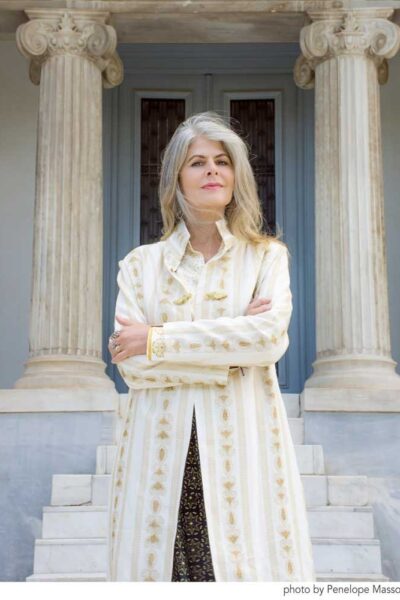
I felt an urgent need to write with more-than-human animals in ways that felt celebratory. We can’t erase the eco-grief that is now a part of our daily living, but meditating on the ways we’re carrying other species around in our very bodies was frequently joyful.
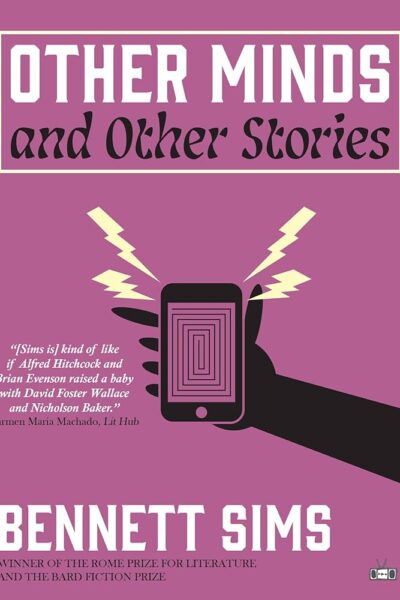
Other Minds and Other Stories – Bennett Sims
Other minds are all around us, infecting us with their desires, affects, and ideas, and yet they remain fundamentally unknowable to us.
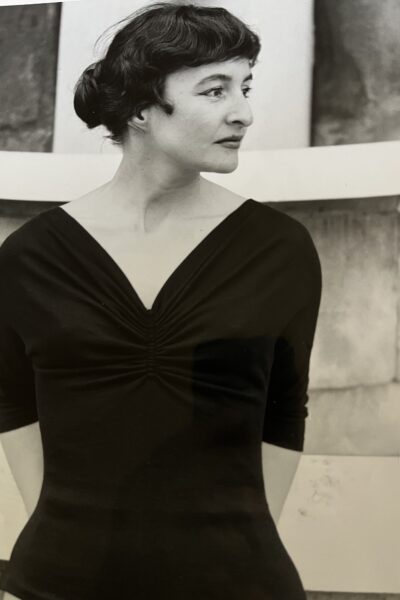
“Yet Another Dagger Pulsing Under the Rain”: Why We Need Joyce Mansour—and Surrealism
Just as this ardent, well-honed collection coaxes Mansour’s “molecules of revolt” into jewel-bright, posthumous flares, so may surrealism’s many ambient, alert, electrifying molecules flare up to reverse the annihilating currents of our present moment.
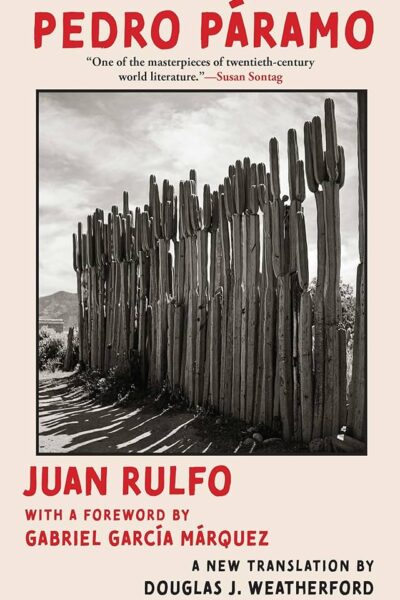
Juan Rulfo’s only novel defies logic. It is out to evade readers, to tease them for their attempts at understanding. Uncertainties, red herrings, and anxieties abound, all of which give Pedro Páramo its particular flavor.

I’d like to think of the book itself as an act of prayer—a way of spreading the net of my attention, of turning people’s gaze towards the things that matter to me, that I think need more attention than they’re getting.