

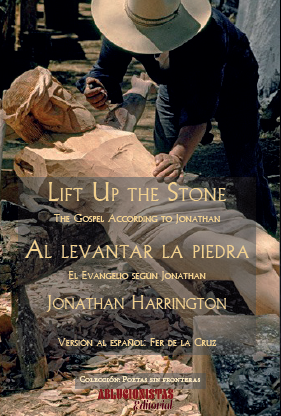
Lift Up the Stone: The Gospel According to Jonathan – Jonathan Harrington
Idiosyncratic and sometimes startling, these poems demonstrate both the elasticity of the sonnet form and the meditations of a fertile, original mind.
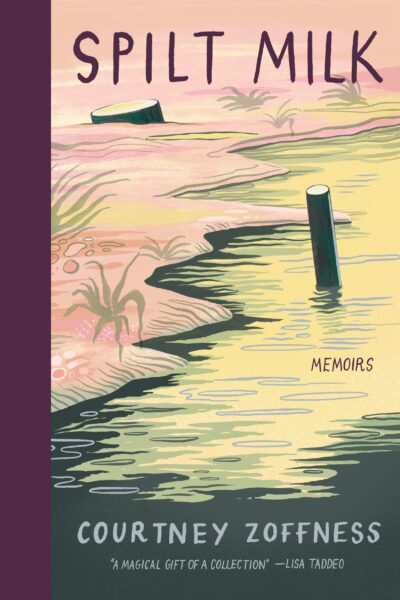
Spilt Milk – Courtney Zoffness
In her imaginative SPILT MILK, Courtney Zoffness strives toward empathy in a way that pushes against the cynicism we’re justified in feeling upon the trotting out of the concept.
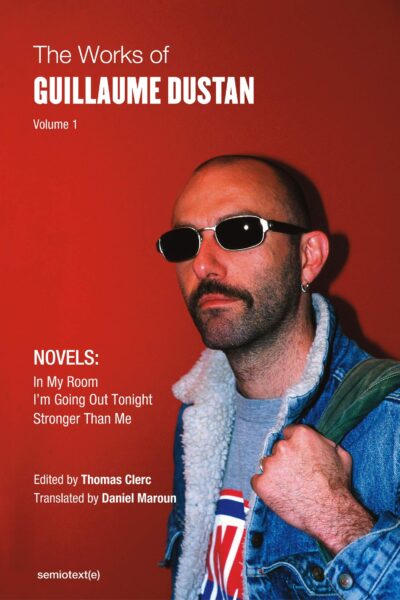
Normally there is a safe distance between the reader and the work, however transgressive it is, whereas in Dustan’s writing the language is intimate, precise, explicit, pornographic even, and yet, ultimately, an attack on what is known as “Literature”.
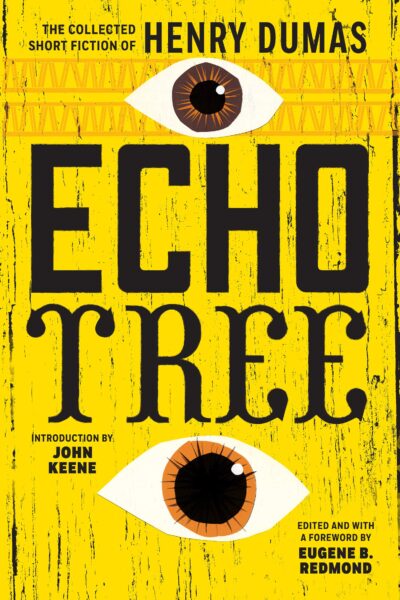
[ECHO TREE] surely does underscore Dumas’s talent as a writer of fiction, although at the same time reminding us that he was so barbarously prevented from fully harvesting that talent.

I’m less afraid of somebody camping under an overpass, trying to score, trying just to eke out another day, than somebody living in Bel Air or Simi Valley, who comes to believe they’re losing status in the world and decides they need to do something about it. Those people terrify me.

Kӓsebier Takes Berlin – Gabriele Tergit
In its satirical and often detached portrayal of fame, Kӓsebier Takes Berlin marks an intriguing departure from the intense psychological novels and moody literary montages of its era.
The radicality of W-3 lies there: it is imaginative, as a form, because it is a narrative about the banal, moving contradictions of people who experience madness.

People are bothered by all of this, and I admit I am both irritated and amused by it. I think I like the bother, the trouble. It makes us ask — what is a novel?

Announcing the 2021 Full Stop Editorial Fellows Program
Full Stop, an online journal of literary and cultural criticism established in 2011, invites applications for two Full Stop Editorial Fellows.
Beyond Belief Amongst the Millennials
What would happen if we looked at the spiritual picture of millennial America through a lens less of function or form but of power, understood historically?