

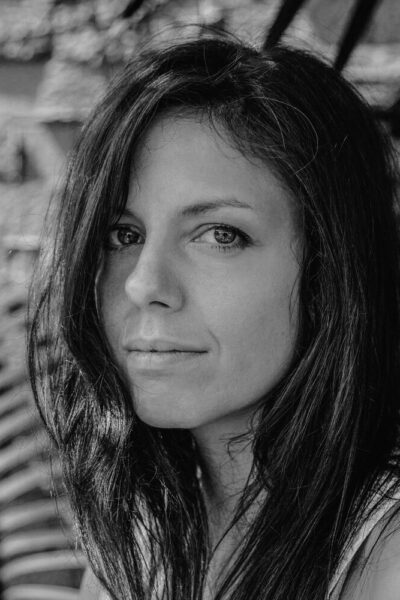
I don’t want to undersell the sacrifice any of my subjects made in choosing to live in the ways they do, but I also think there’s no point in beating yourself up over it if you haven’t followed a life of extreme asceticism.
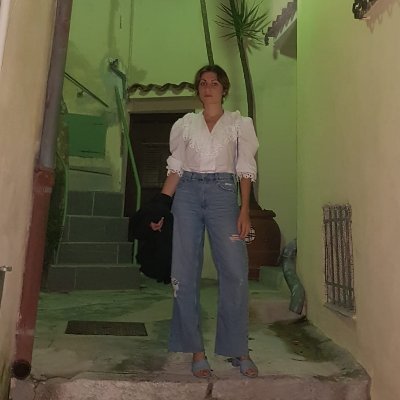
I love stories where people go to hell, and obviously this novel is my contribution to that literature.
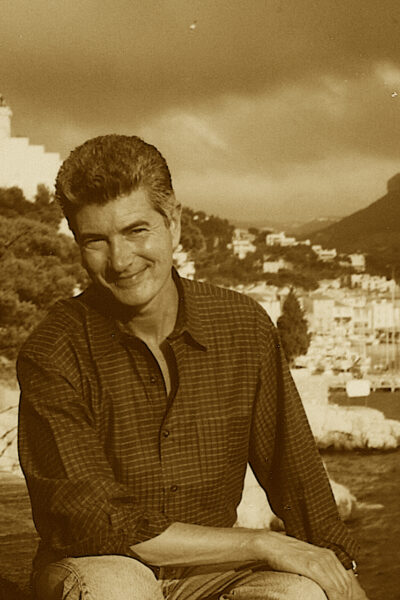
Forster himself believed there was more to tell.

What if the pastoral is not redeemable? What if the pastoral is about trauma as much as anything else?
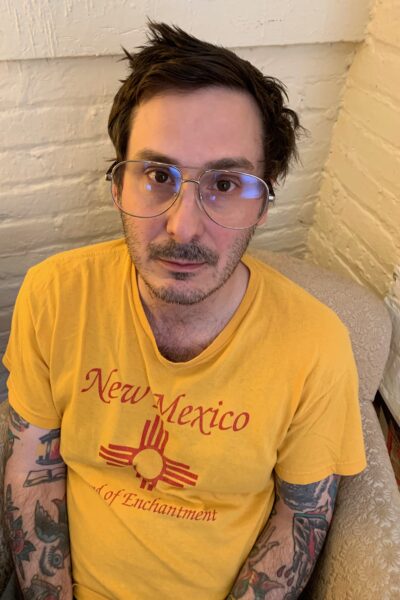
I really do experience the world as music. I don’t mean that to sound woo-woo or whatever, just that by this point I know myself and that’s how it is.
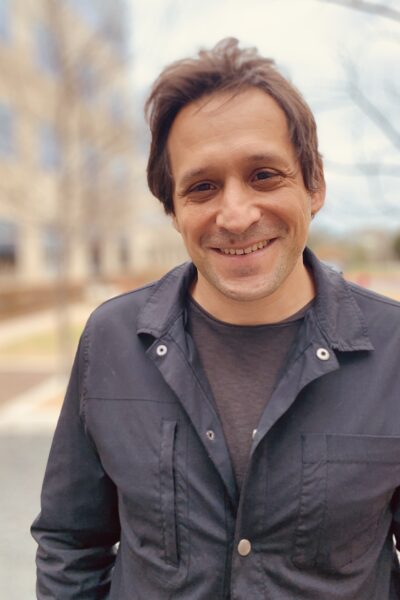
I don’t want the book to be read as just like an anti-PC woke polemic or something, but if you’re asking if Dave Hickey is relevant right now, for me, the answer is yes.
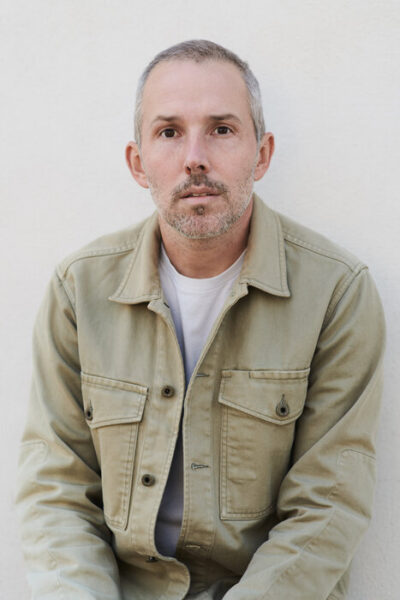
I’m less afraid of somebody camping under an overpass, trying to score, trying just to eke out another day, than somebody living in Bel Air or Simi Valley, who comes to believe they’re losing status in the world and decides they need to do something about it. Those people terrify me.

People are bothered by all of this, and I admit I am both irritated and amused by it. I think I like the bother, the trouble. It makes us ask — what is a novel?

I realized that writing from a place of grief was so much more useful than the angry stance I had taken before.
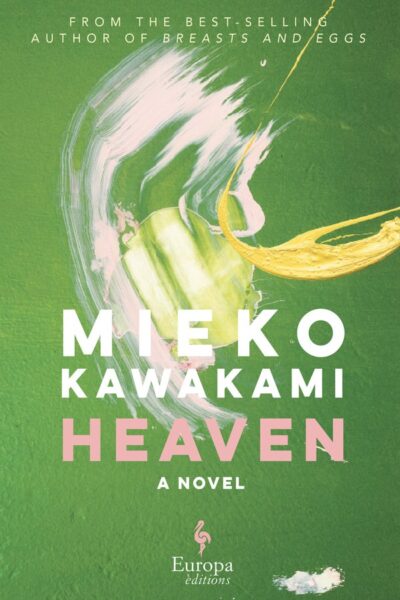
When a book is almost fully formed, it starts becoming like a third person in a way, or a space that has its own internal logic, almost capable of making its own decisions.