

Think of the accounting of any meaningful legacy, all of the lives that uplift our collective spirit have one thing in common: they are defined not by what they had, but by what they gave.
The discomfort of a beetle on its back, swinging its legs is not the kind of discomfort I am looking for. My discomfort is more like writing on the edge of what’s known, and what’s been said, and what’s ok to say.
Maybe both the nuns and the hoaxers are trying to connect, to form a community, through vastly different means. I know which I prefer, but perhaps what drives them isn’t really that different.
I understood that the whole point is to unmake this monumental quality…to ask yourself, for example, what kind of monument this event needs. Deserves.
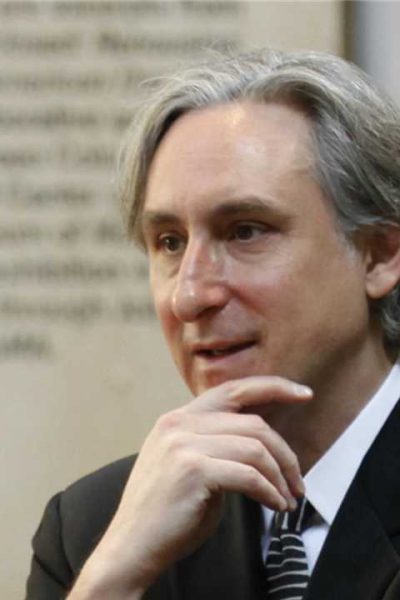
I’ve tried to think about the university as something to be protected and looked after, and for that very reason, also as the object of our most unrelenting critique.
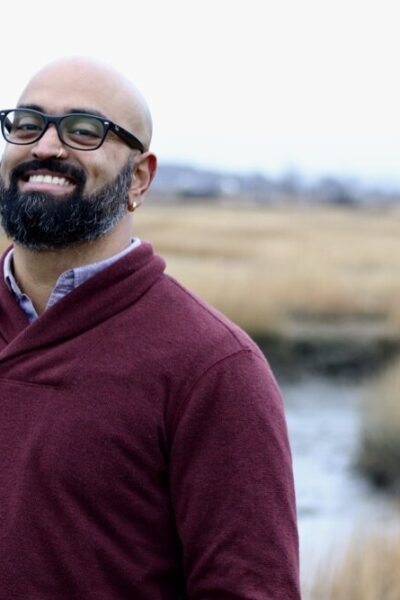
I hope that these poems do not have answers but give rise to thinking around the sets of problematics in the mixing of sweat, spices, sucrose, and languages where the act of consumption evinces history archived in the body.
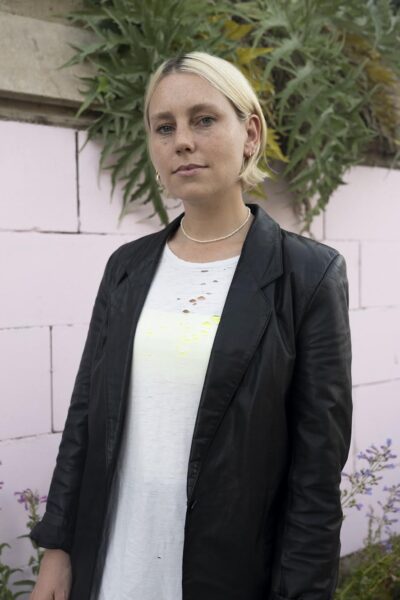
And that’s saintly, actually. It’s saintly to not want to work.

Nick Jaina and Tatiana Ryckman
I do that think in order to heal, some people have to disappear and do it in quiet.

We need to get away from the idea that any method is guaranteed for success or guaranteed for failure. The methods work, or fail, in a much more context-specific way.
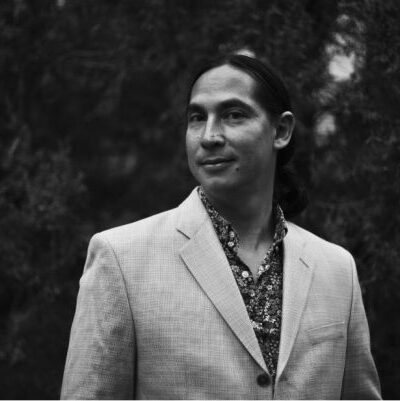
Benjamin Landry and Kevin Phan
Thank goodness for the jazz, rather than the philosophical theorems! We certainly got enough of the formal stuff in school.