

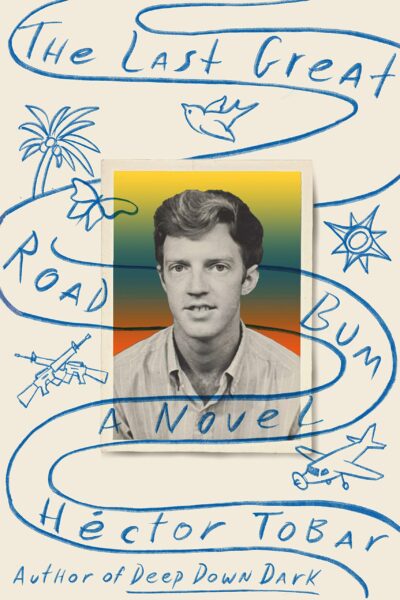
The End of the Road: The Last Great Road Bum by Héctor Tobar
If Walter Benjamin’s angel of history moved backwards, observing society’s wreckage but blind to its progress, the many avatars of Joe’s wandering generation saw the whole world blurry, victims of their own velocity.
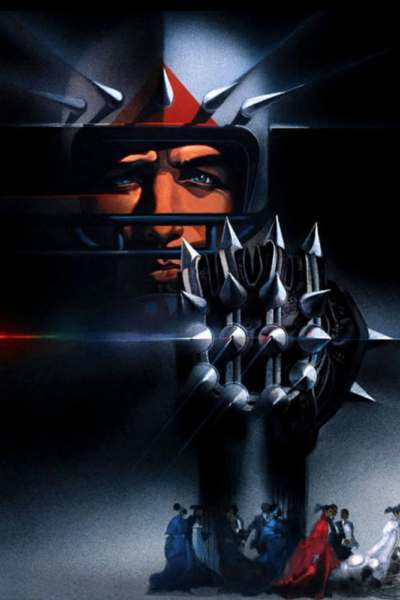
Rollerball and Death Race 2000 may have been early entrants into diagnosing that dreadful feeling that accompanies the unbeatable supremacy of capitalism.
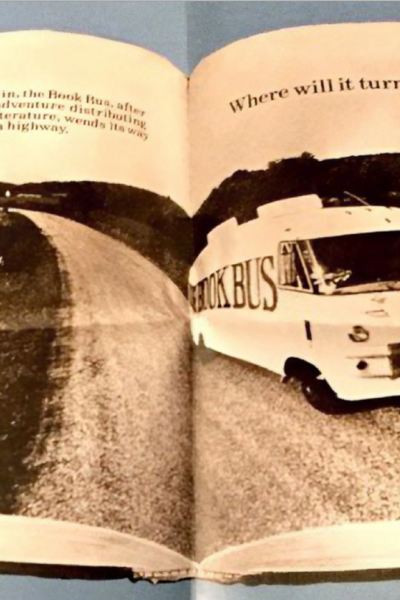
The bookmobile’s appropriation by the small press community, although on a relatively small scale, played a crucial role in forming independent publishing communities.
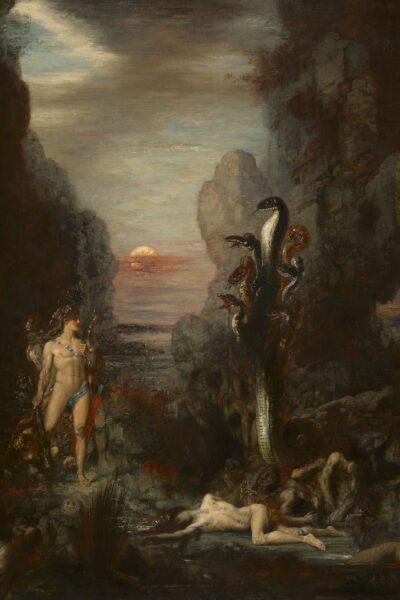
Imagining the mass strike and practically organizing it are one and the same activity.
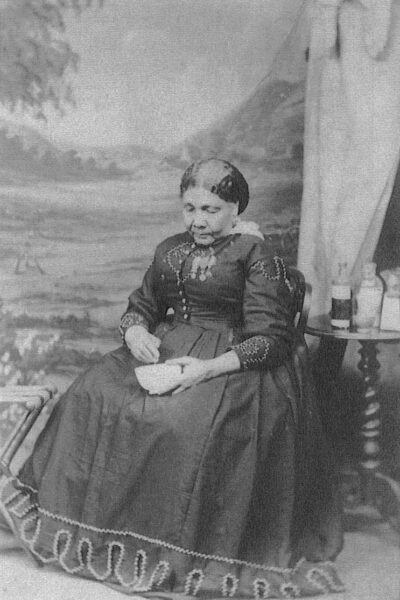
Mary Seacole and the Cholera in Panama
Mary Seacole’s account of her role in treating Cholera’s victims presents a portrait of one epidemic-stricken community that responds in ways both typical and, in our own pandemic times, uncomfortably familiar.
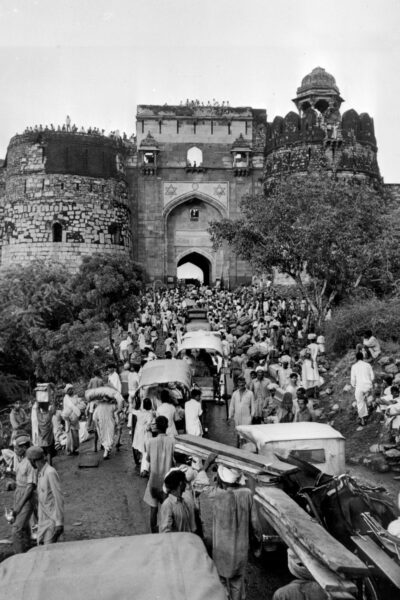
Reading the Dehumanized Perspective in Narratives of the Partition of 1947
The insidious malleability of dehumanization sheds a great deal of light on ingroup-outgroup tensions.

The Pandemic and Zizek’s ‘Pandemic!’ and Zizek
How much worse can it get?
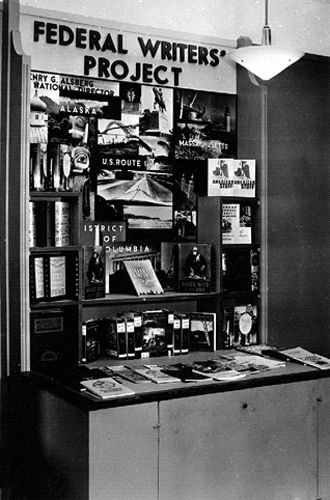
What Would a 21st-Century Federal Writers Project Look Like?
A new Federal Writers Project could work to make our digital legacy comprehensible for future readers.
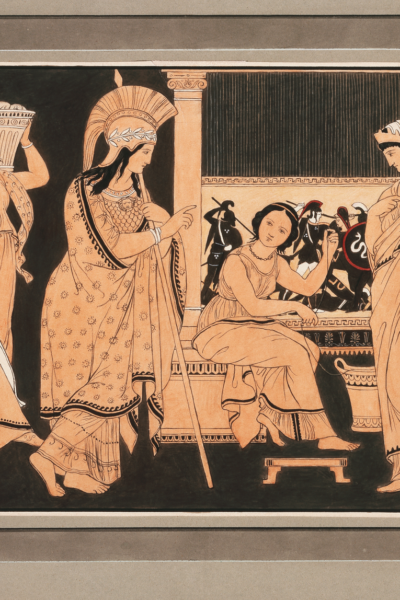
This is the experience of waiting: wanting to be doing something but knowing it won’t mean anything—the meaning is what we’re waiting for.
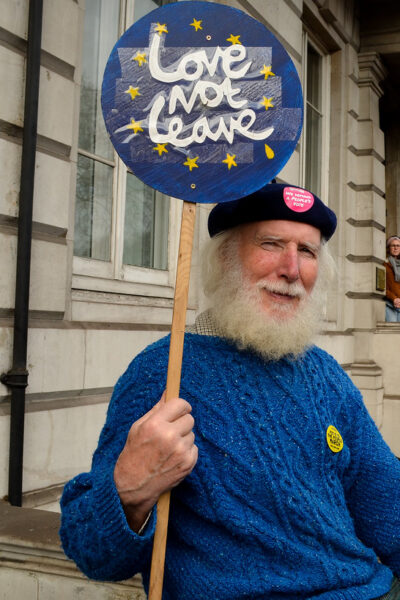
Families Fall Apart While Friendships Flourish in Ali Smith’s Seasonal Quartet
At heart, Autumn, Winter, Spring and Summer ask us: what holds people together who are living through this political moment of breakage?