

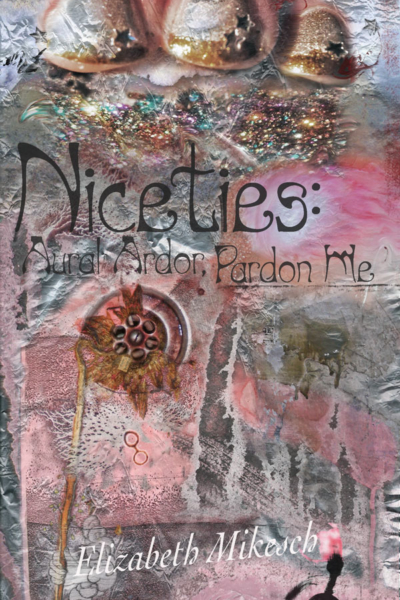
[Niceties] is the rare exception in which the term poetic used to describe fiction isn’t hyperbolic. The stories feel like prose poems because they operate according to associative logic and sonic pleasures.
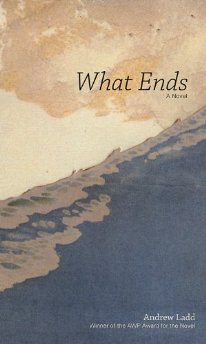
What Ends pulls at past and future, as the out-of-sequence sections zoom in on certain years on the island and the events that ultimately lead towards an uncertain future for both the island and its last inhabitants.

Exorcism is just a lie we tell ourselves in order to survive.

Today, not only is the personal political, the personal is celebrity.
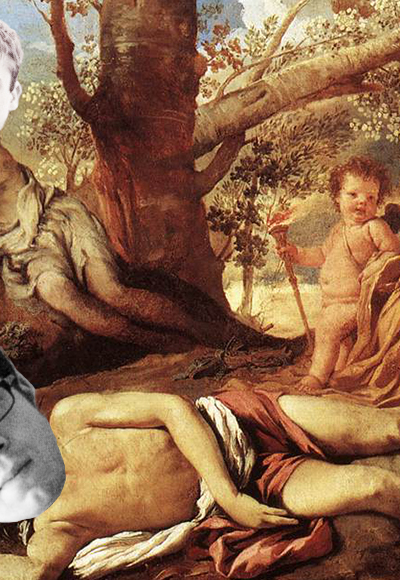
Narcissus and Ego: Poets Try the Novel
Ben Lerner’s LEAVING THE ATOCHA STATION and Dan Beachy-Quick’s AN IMPENETRABLE SCREEN OF PUREST SKY are grand narcissistic projects. But if that sounds like a slight, you haven’t listened to these books.
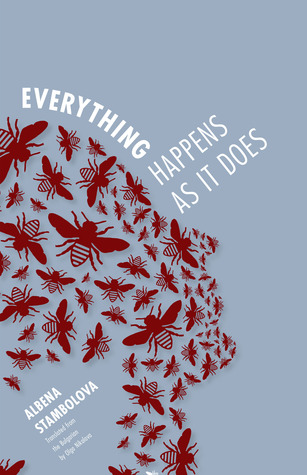
Everything Happens as It Does – Albena Stambolova
The stories of a handful of comingling lives unspool with the beguiling sense of fatedness that overtakes all events once they’ve happened the way they’ve happened to happen.
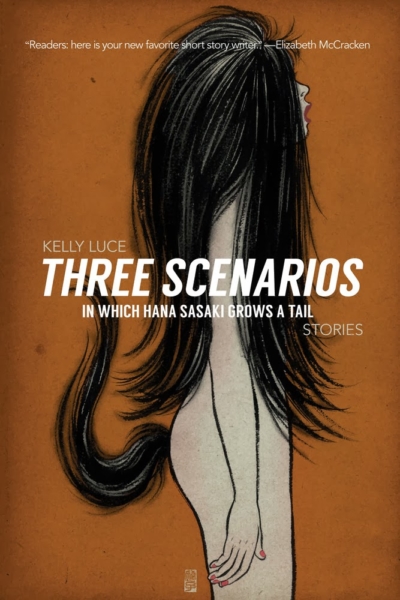
Three Scenarios in Which Hana Sasaki Grows a Tail – Kelly Luce
I would happily suggest that Luce contributes as much to the contemporary renaissance of the short story in her first work as Russell, Aimee Bender, and George Saunders have with their recent masterpieces.
They Dragged Them Through the Streets – Hilary Plum
The message these mourners and friends struggled so desperately to express echoes emptily. It’s almost as if their pain had never been.
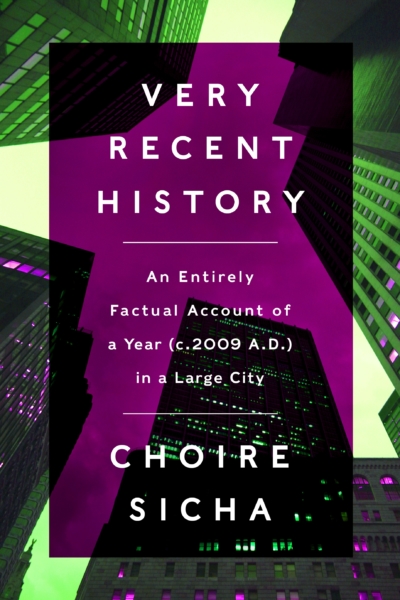
Very Recent History – Choire Sicha
Sicha makes us remember those intense moments and the tangles of our lives, both emotional and financial, which is how Very Recent History gets under our skins.
Whispering Bodies – Jesse Michaels
His undoing is also that of punk rock