

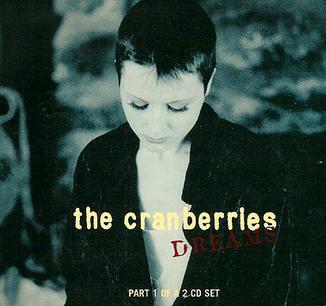
Though I wouldn’t ever wish to re-live middle school or high school or even college or last week, I still have these Dolores O’Riordan songs on repeat.

All through 2017, I found myself in the year’s art with ease.

Much like the vast clouds of experience that coalesce into identity, there is no clear way of gathering the many points of intersection among the three movies made by Abe, Teshigahara, and Takemitsu.
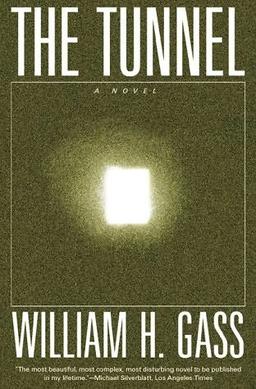
Gass’s suggestion that the monstrosity of the Shoah could easily arise from much smaller gestures of hate no longer seems, in the present, like a trivialization of genocide—it is a field guide to the unchecked regions where only anger can find reliably fertile ground.
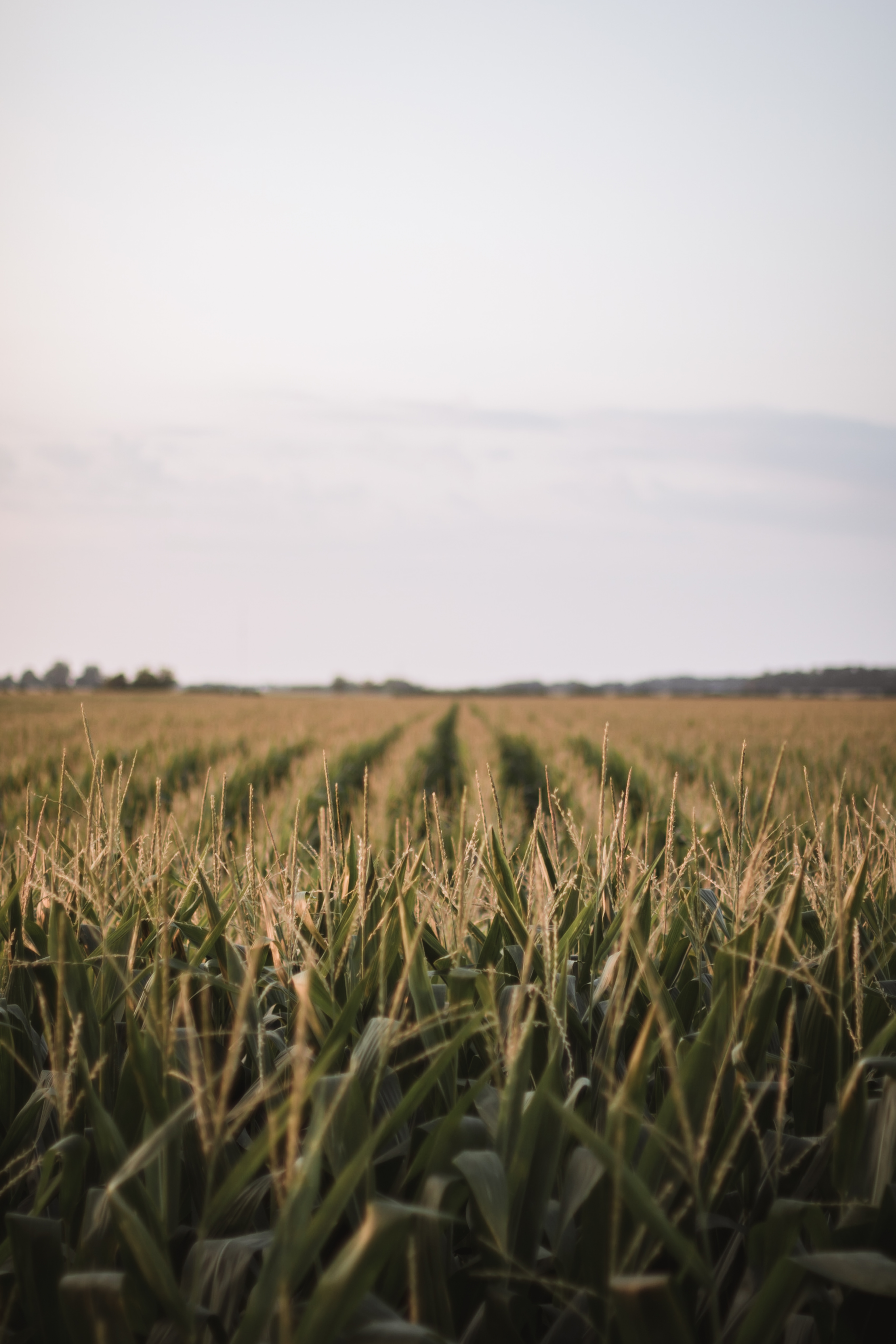
William Gass, Prophet of the Midwest
Gass saw all this coming from the vantage point of the Midwest. Perhaps the flatness and lack of skyscrapers allowed him to see farther.
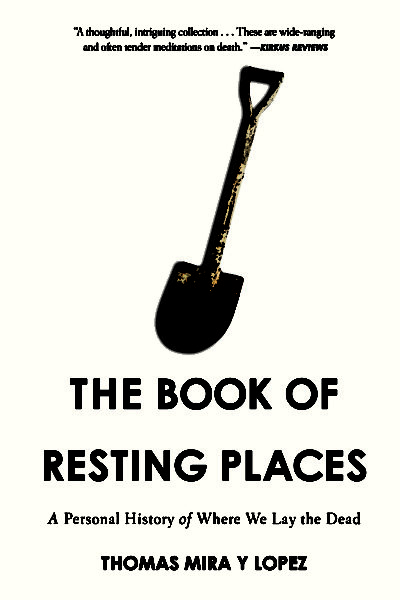
I’ve become someone who hates to let things go.
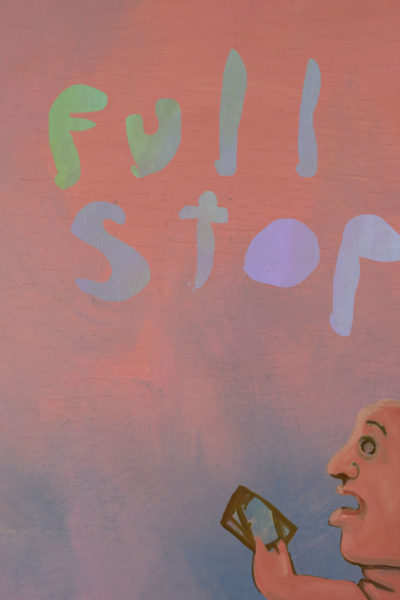
The pieces you will find in this issue address not just the end, but perhaps what happens after.

The year’s best books, as selected by the editors of Full Stop.

What emerges in the warped virgin birth from the chest of Officer Kane is not an incarnation of a benevolent Godhead, but Lovecraftian cosmic horror.

We meet amid and through our acts of reading and writing each other. Together we find a place to work, and this is literature.