


Seçkin adds an interesting nuance by depicting how feelings of appropriation can play out at a more intimate, family level.
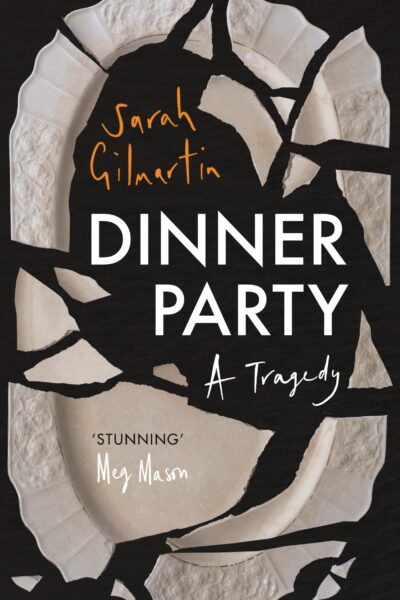
Dinner Party: A Tragedy – Sarah Gilmartin
Even if Sarah Gilmartin’s debut novel elicits inevitable associations with Irish intellectual and artistic heavyweights, this portrait of mourning and redemption stands on its own.

It’s like my little poem is the concatenation of multiple tiny decision-making processes that both solicit and elude tracing, by the reader or by me.
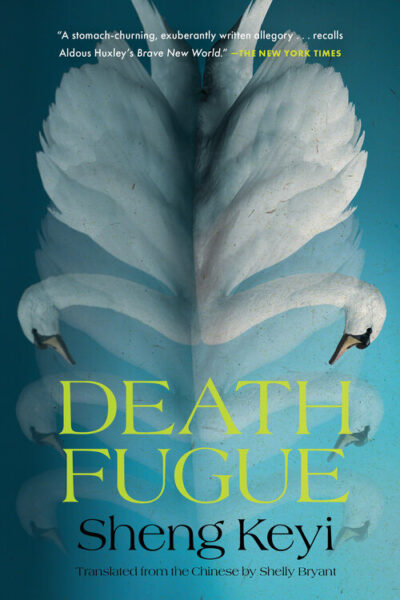
DEATH FUGUE is an allegorical tale as chilling in parts as anything by Atwood or Zamyatin, yet told with airy, fitful surrealism. It is both reposeful and purposeful, an unerringly calm vision of beauty and terror.
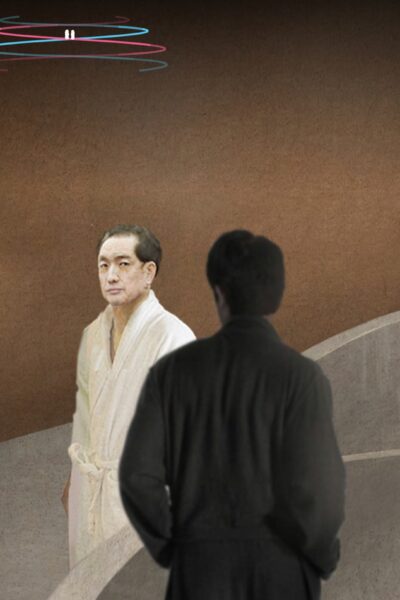
Two Views on Encounter and Impasse
Because humanity in the flesh is prohibited within it, the DMZ as a domain not only compels but also in a sense, in its current state, requires speculation.
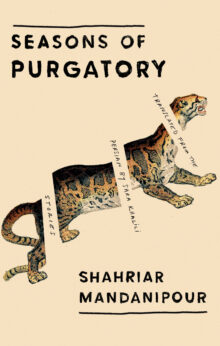
Seasons of Purgatory – Shahriar Mandanipour
Mandanipour, in Khalili’s translation, cultivates an unsettling sort of ambiguity, an open-endedness that makes these stories rich with enigma, asking to be read, then read again.
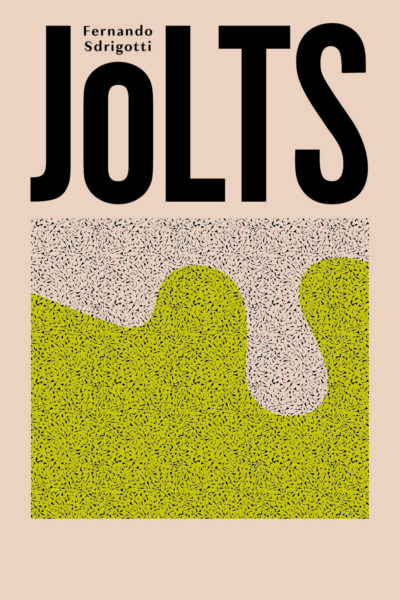
There is a loneliness, that voice of the outsider, of the creative kid, of the misfit, of the writer, that haunts every joke, every line etched to make the reader laugh.
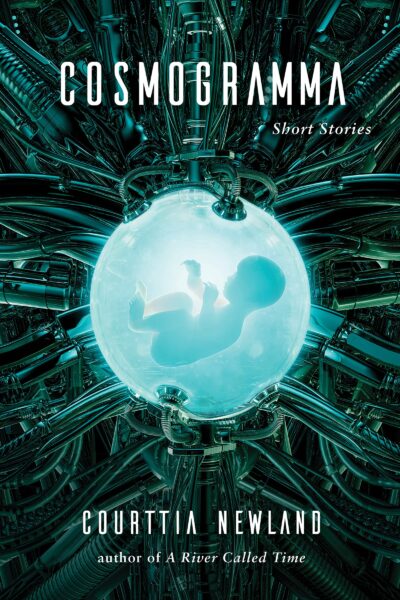
Cosmogramma – Courttia Newland
These episodic jaunts focus on the difficult choices people make in desperate situations.
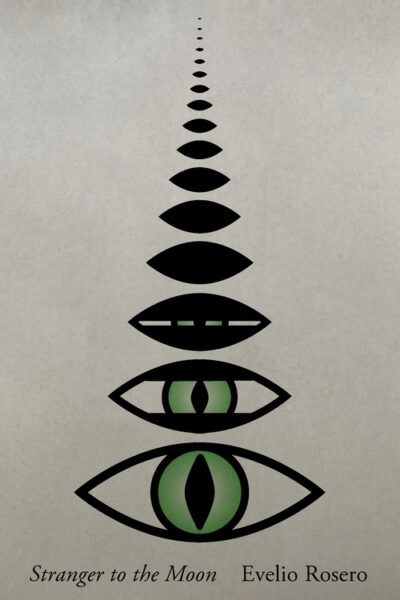
Stranger to the Moon – Evelio Rosero
Rosero goads the reader to consider what tenses we’re thinking, dreaming, imagining in, as we hurtle at the precipice, towards a future not by any means assured.

I want to have hope, but I’m also suspicious of all hopeful things. [Laughs.]