

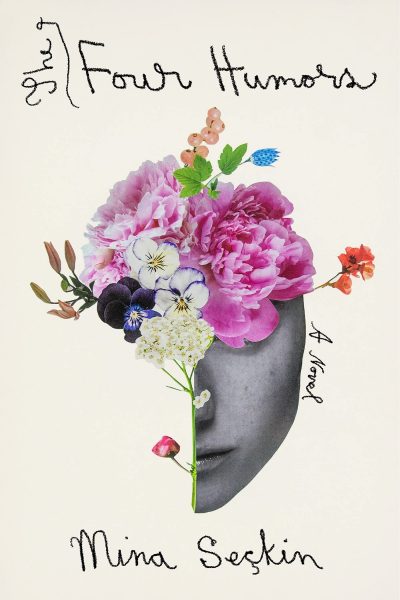
Seçkin adds an interesting nuance by depicting how feelings of appropriation can play out at a more intimate, family level.
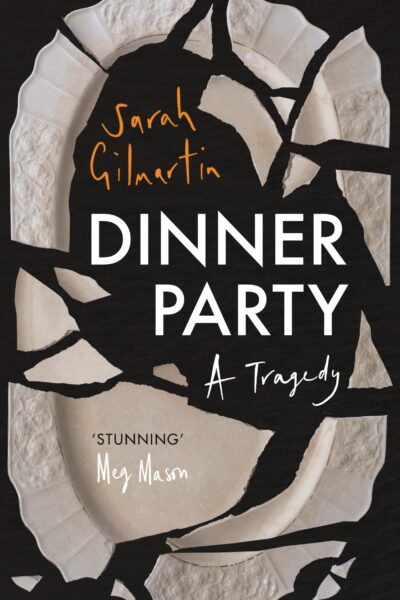
Dinner Party: A Tragedy – Sarah Gilmartin
Even if Sarah Gilmartin’s debut novel elicits inevitable associations with Irish intellectual and artistic heavyweights, this portrait of mourning and redemption stands on its own.
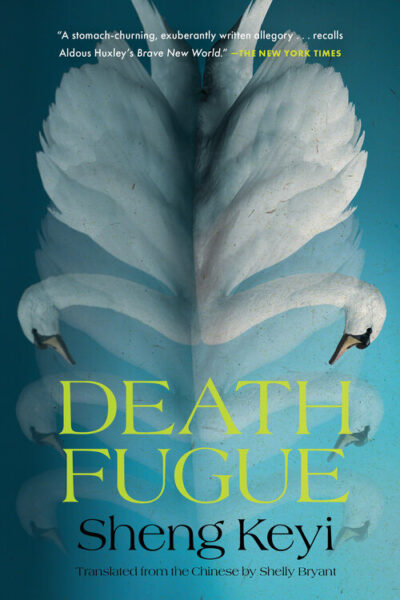
DEATH FUGUE is an allegorical tale as chilling in parts as anything by Atwood or Zamyatin, yet told with airy, fitful surrealism. It is both reposeful and purposeful, an unerringly calm vision of beauty and terror.
Seasons of Purgatory – Shahriar Mandanipour
Mandanipour, in Khalili’s translation, cultivates an unsettling sort of ambiguity, an open-endedness that makes these stories rich with enigma, asking to be read, then read again.
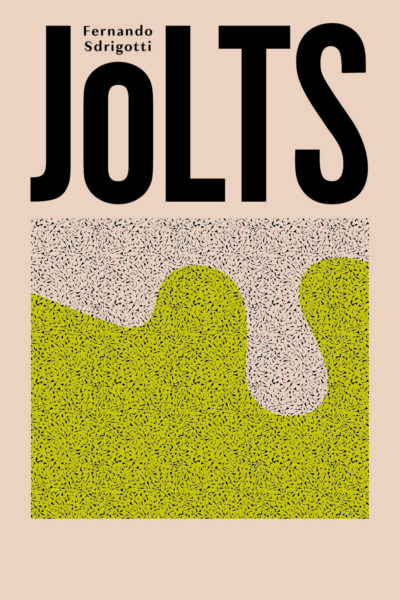
There is a loneliness, that voice of the outsider, of the creative kid, of the misfit, of the writer, that haunts every joke, every line etched to make the reader laugh.
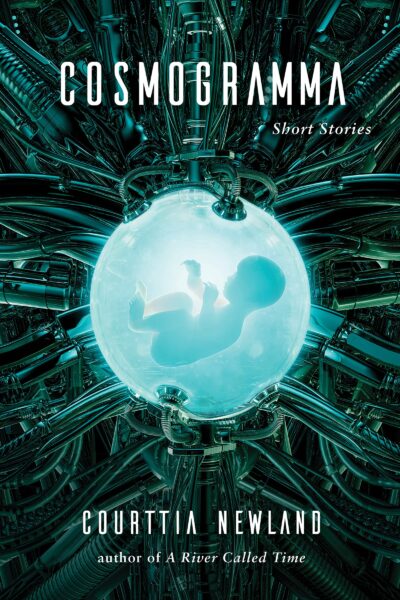
Cosmogramma – Courttia Newland
These episodic jaunts focus on the difficult choices people make in desperate situations.
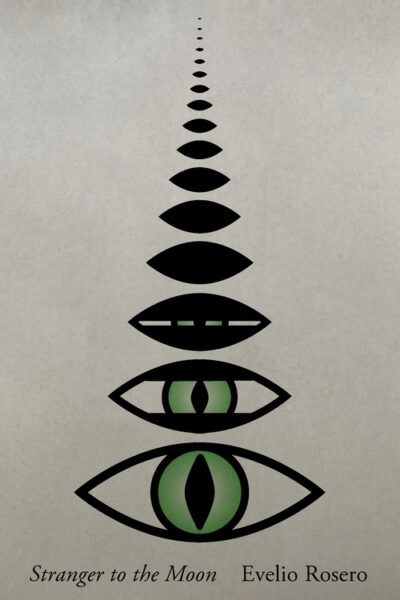
Stranger to the Moon – Evelio Rosero
Rosero goads the reader to consider what tenses we’re thinking, dreaming, imagining in, as we hurtle at the precipice, towards a future not by any means assured.
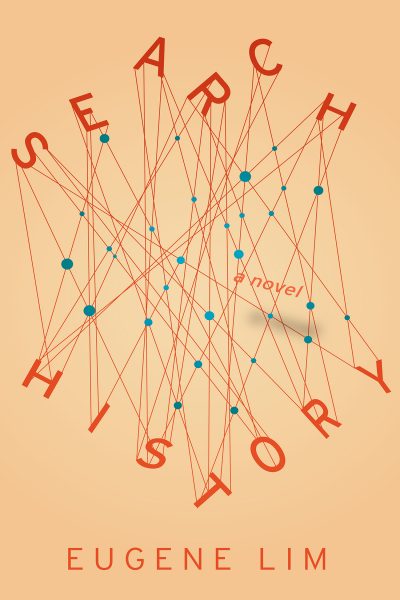
Lim’s novel promises the disorientation of a house of mirrors.
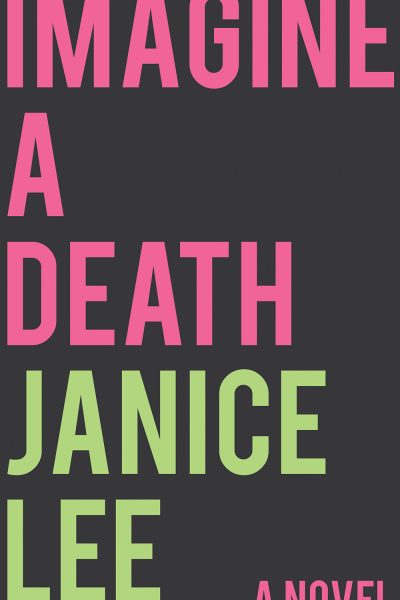
Lee’s novel is a representative of a new wave of apocalyptic literature where ecological and societal collapse do not automatically displace personal trauma and toxic social hierarchies, but rather, complicates them, allowing us to fashion new worlds for ourselves in the cracks of our collective disenchantment.
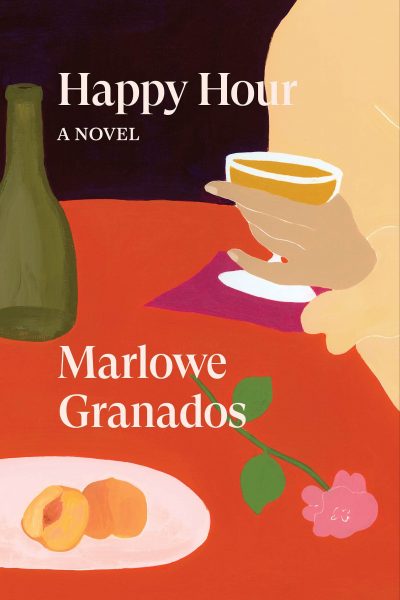
Suffering doesn’t actually have to be a prerequisite for having the right to be creating something, nor does anyone actually have a god-given directive to whittle their suffering into something to be offered up to a market.