

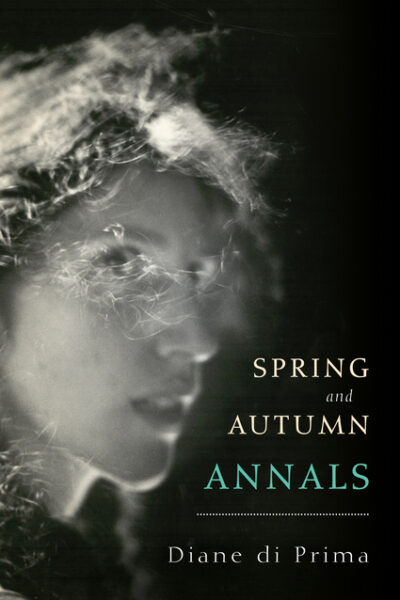
Spring and Autumn Annals – Diane di Prima
Di Prima’s efforts yield an ethnography of the “Beats,” of New York’s mid-century bohemia, but an ethnography that somehow eschews mythologizing, shorn of mystique, and self-aggrandizement.

Songs to Come for the Salamander – Mark Young
Since an early age, Young’s “roots” have been embedded in the history, practice, philosophy, figures, and creative outputs of the Surrealist movement.
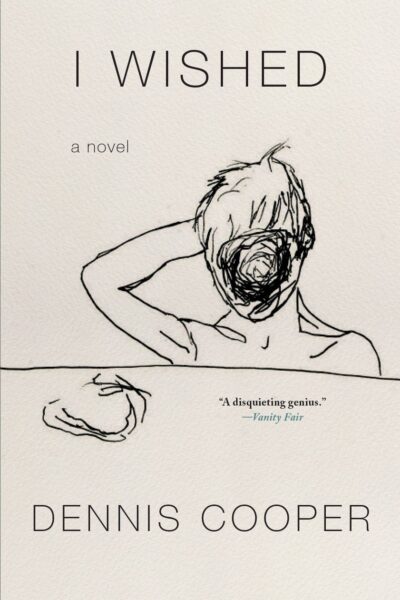
Cooper is interested not just in the shock value of his stories but also in the aesthetic effects of his fiction’s design and execution
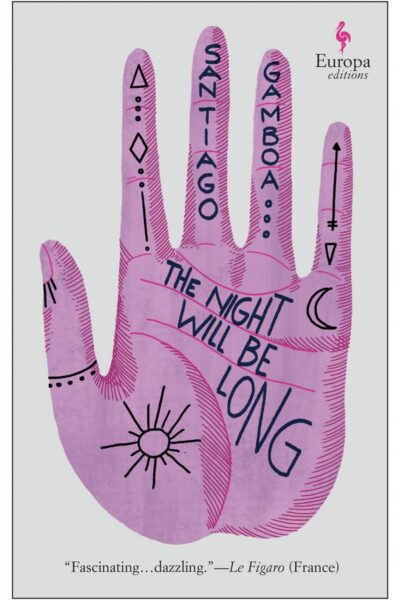
The Night Will Be Long – Santiago Gamboa
Where a lesser writer would shy away and gesture towards the incomprehensibility of these powerful alliances, Gamboa inhabits multiple different voices to delve as far as possible into the inner workings of this corruption
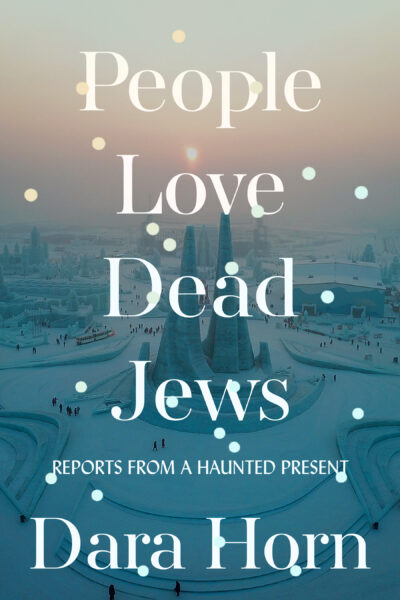
People Love Dead Jews – Dara Horn
The deep obsession with her book by Jewish audiences has made some cry foul: instead of great books on Judaism and Jewish history we just end up with more and more bestsellers about antisemitism.
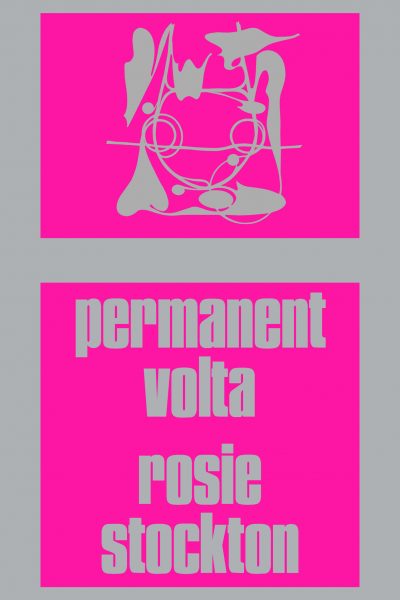
Permanent Volta – Rosie Stockton
Rosie’s poems persist as little gifts of friendship and care in the present.

In keeping with real pre-Zuck San Francisco spirit, from the Beats to Brautigan to the language poets, give everything you can; withhold anything you want; such is the imperative and prerogative of the artist, whatever the risks, audience and establishment be damned.
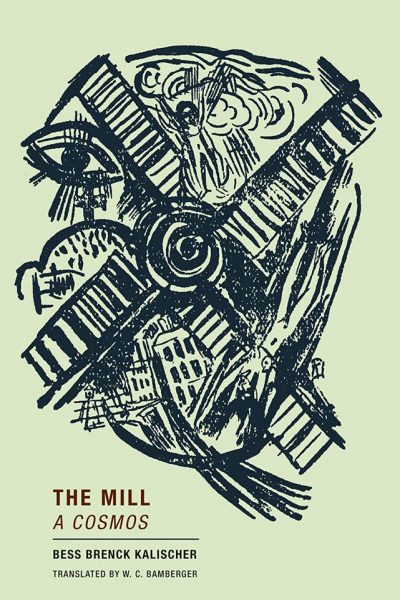
The Mill – Bess Brenck Kalischer
The Mill is a smirking sphinx, packed with wisdom that remains partly obscured by a Magic Eye puzzle of symbolism, fairy tale references, and outer space.
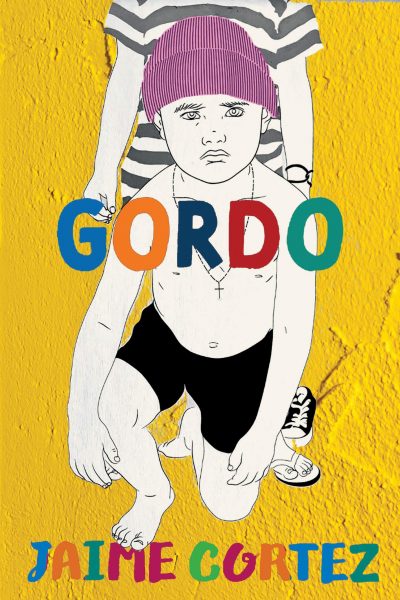
Cortez seems far less interested in exploring trauma than people’s resilience.
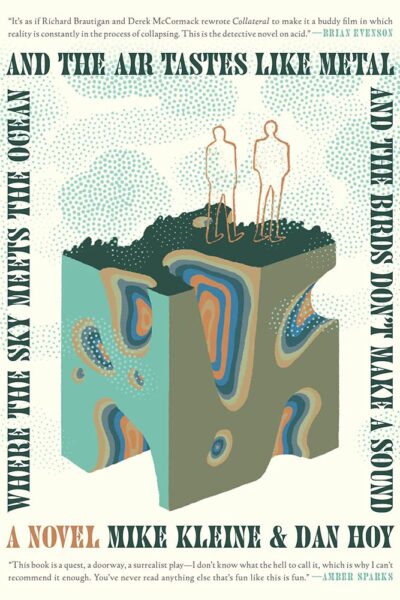
Where the Sky Meets the Ocean – Mike Kleine & Dan Hoy
Soft sci-fi, low-fi everything, a prose poetry novel investigating the now, the new and novel, and the end