


In the circumscribed orbit of the main characters, everyone is innately good, no one does anyone harm (violence is the preserve of faceless technology such as drones), and action is largely subordinate to a harmony of attractions.
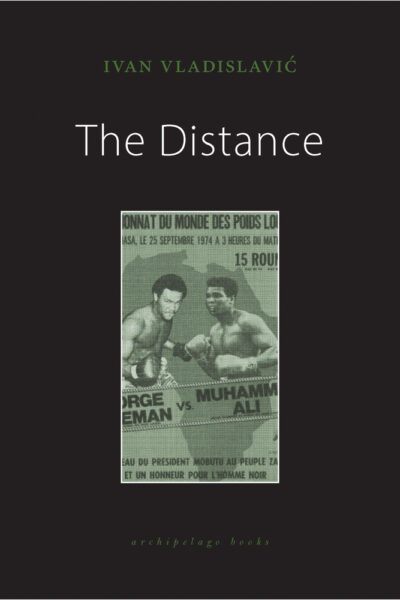
The Distance – Ivan Vladislavić
His interest in the potential of the fragment as a form of fiction that bears witness to political truth, is ever yielding.
The Lion’s Den: Zionism and the Left from Hannah Arendt to Noam Chomsky – Susie Linfield
A complicated and well written polemic about the fractious way the Left has dealt with Israel.

Igifu – Scholastique Mukasonga
As her characters find themselves unable to articulate what has transpired, her stories verbalize the horror of genocide in ways drastically abstract, beautifully and imaginatively rendered.
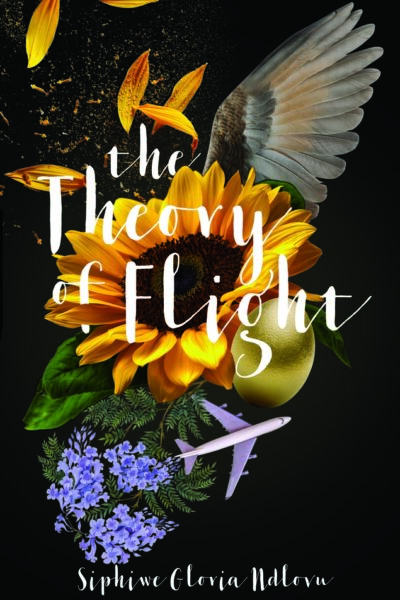
The Theory of Flight – Siphiwe Gloria Ndlovu
When we want to base our shared reality with each other on facts, we also must allow, acknowledge, and cherish the existence of magic.
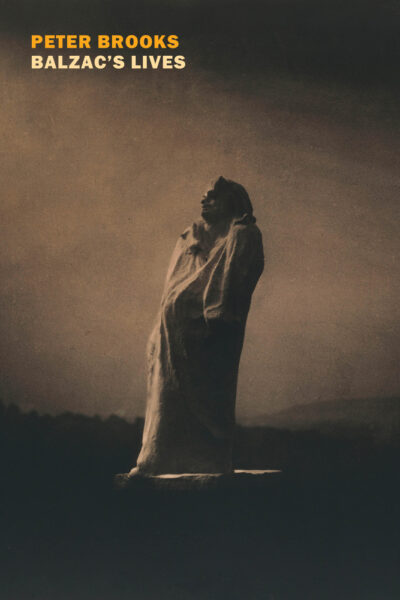
For Balzac and readers like me as well, nothing pulls you in like a printing press (identified by brand name) and an ink-distributing roller. In a small shop. In the provinces, no less.
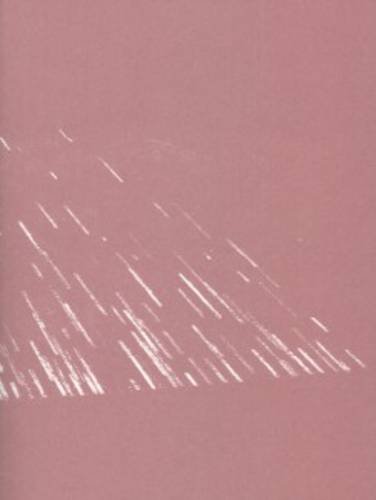
Sligo Drawings – Bart Lodewijks
I’m reminded of the breaching experiments we read about in sociology class. Stand in an elevator w/ your back to the door & record how people react, etc.
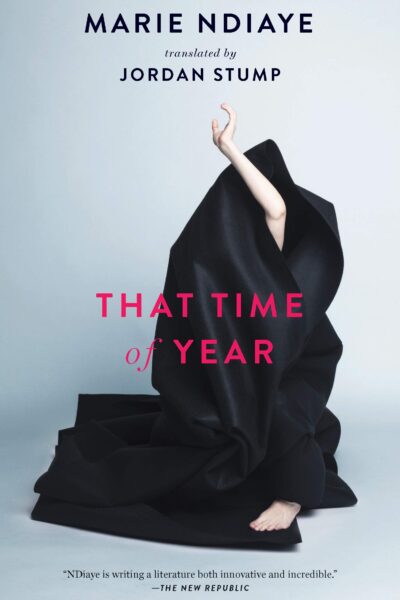
That Time of Year – Marie Ndiaye
NDiaye’s tale is also a vivid portrait of ennui: the seductiveness and corrosiveness of boredom, the draining experience of being trapped in a single space, isolated from the routines and relationships of your life.

Russell suggests that this is what writers can do for others and themselves: sing with absence while respecting absence.
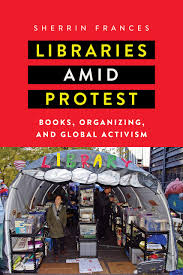
Libraries amid Protest: Books, Organizing, and Global Activism – Sherrin Frances
What is original about Libraries amid Protest is Frances’ decision to foreground the library not as a distraction from the “real work” of the occupation but as a key component of its politics.