

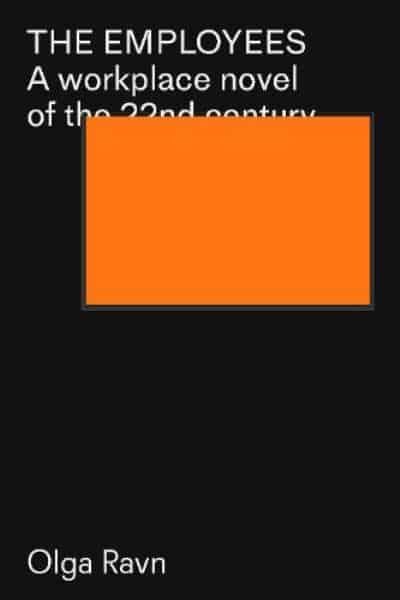
“In Olga Ravn’s The Employees humans and humanoids show a way forward for a calamitous earth.”
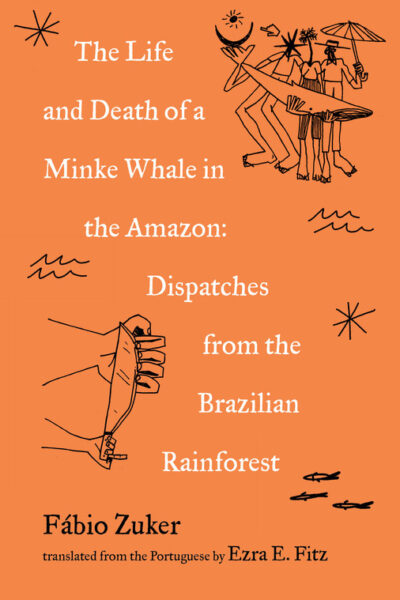
An interesting consequence occurs in the titular tale, when time seems to proceed not along any linear or standardized path, but according to the Minke Whale’s appearance, disappearance, reappearance.
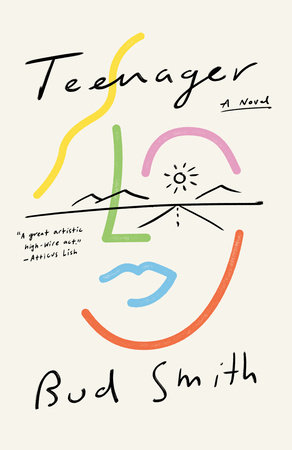
Teenager shreds the American dream during its long embrace.

Woman Running in the Mountains – Yuko Tsushima
“Her emphasis on atmosphere over psychological realism makes Woman Running in the Mountains go down easy: it is beautiful even when awful things are happening.”
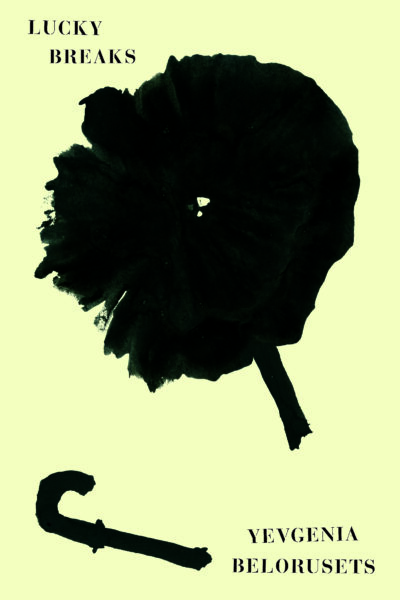
Lucky Breaks – Yevgenia Belorusets
LUCKY BREAKS lives within [a] precarious zone of intermittent warfare, teetering on the proverbial knife’s edge, anxiously anticipating Russia’s now-realized escalation.

The Red Zone: A Love Story – Chloe Caldwell
By calling out American culture’s redirection of empowered female embodiment into ignorance and shame, Caldwell stages an intervention in what can be called “American menstrual culture.”
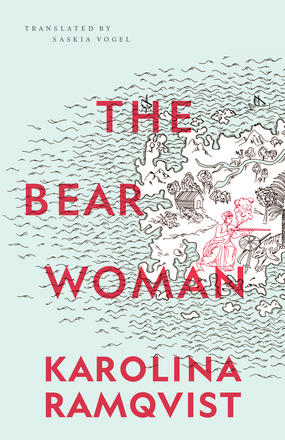
The Bear Woman – Karolina Ramqvist
Ramqvist’s excavation of the process of creation and research, delay and anxiety, is both multi-layered and intriguing.
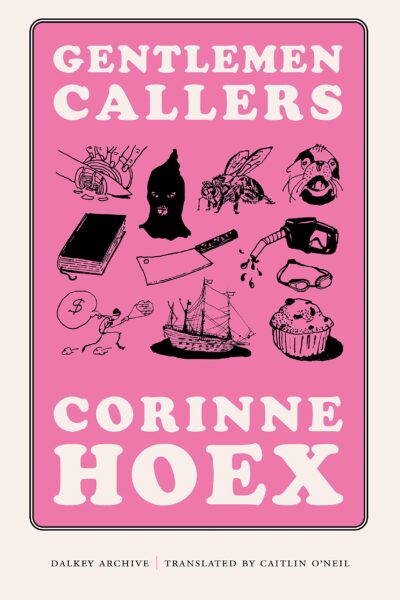
Gentlemen Callers – Corinne Hoex
These men are anonymous outside of their professions and even their professions serve only to creatively appease female desire.
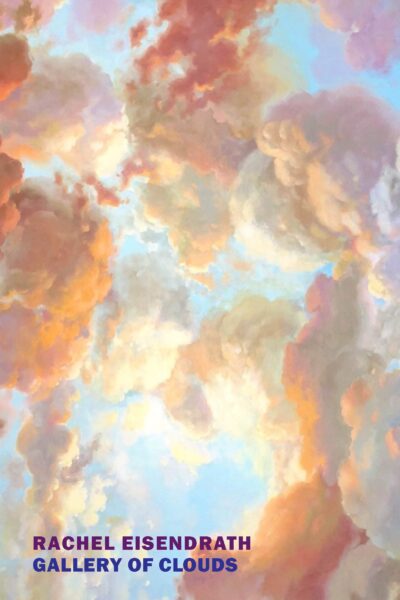
Gallery of Clouds – Rachel Eisendrath
What Eisendrath needs is the regeneration of pastoral romance, to orchestrate the end that is also a beginning.
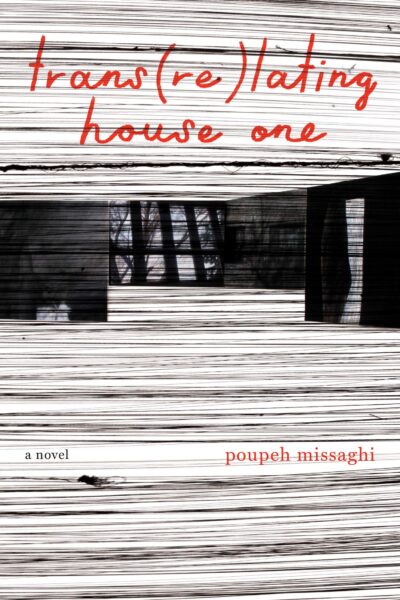
trans(re)lating house one – Poupeh Missaghi
It is rare I encounter a work that is so formally perfectly realized of itself that it is almost painfully exciting to read; the space of the page becomes increasingly charged from the precise and repeating shapes.