


Wilson’s characters frequently cross paths, but rarely unite. They drift in the same space, but despite their common inertia, they can only glance off one another, touching, but only briefly, superficially.

Portrait of the Mother as a Young Woman – Friedrich Christian Delius
A single piece of punctuation has, it seems, never held such power.
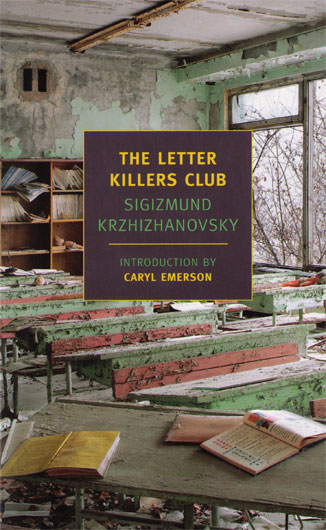
The Letter Killers Club – Sigizmund Krzhizhanovsky
Despite the novel’s rather dystopian premise, the closed, highly-monitored society in which the novel is set serves mainly as a background: Krzhizhanovsky is interested in language and philosophy, not politics.
The Book of Emotions – João Almino
What does it mean? What is reality?
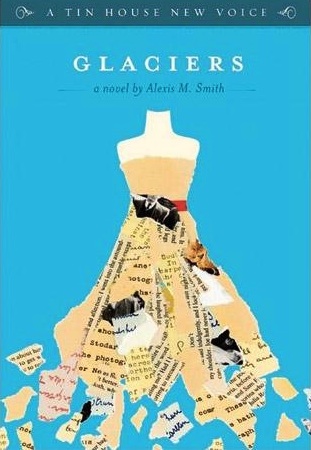
Reading Glaciers is a bit like having a self-conscious friend, reluctant to reveal anything too personal, too embarrassing, too human.

Many critics have called the book “quirky,” which is perhaps unavoidable when the author layers uncomfortable and even disturbing scenes with levity.
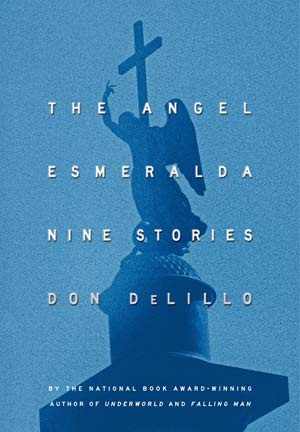
The Angel Esmeralda – Don DeLillo
It is that journey from not knowing what other people want to not knowing what oneself wants, a journey into greater depths of uncertainty, that brings all of DeLillo’s talents and perceptions into fruition.
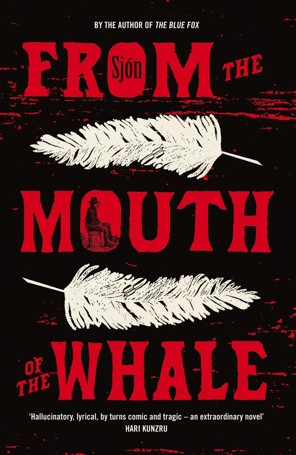
From the Mouth of the Whale – Sjon
Sjon’s Jonas is God’s champion, and his novel shapes its narrative antecedent into an experience that is utterly and beautifully different.
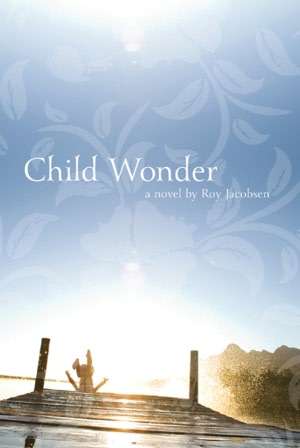
Trouble is, when you start observing, you start seeing all the mistakes. CHILD WONDER is the story of a person teetering on the brink, trying to figure out “how to lose one’s innocence without losing one’s soul.”
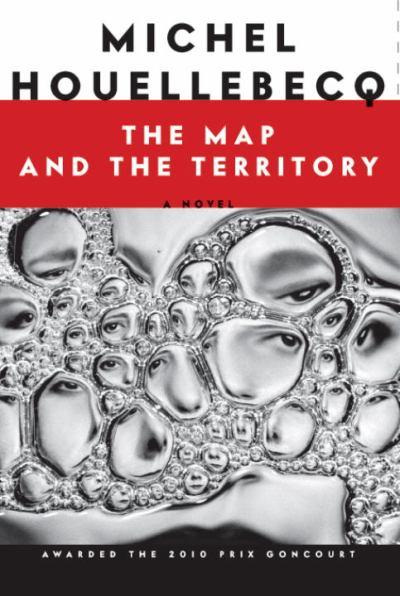
The Map and the Territory – Michel Houellbecq
Readers should be grateful, not disquieted, for these provocations.