

Many chapters focus on the buildup to a dramatic turning point, ending just before the realization or confrontation occurs.
The Way the World Works – Nicholson Baker
Baker considers everything worth looking at, and The Way the World Works reminds us that these thoughts, from investigative to whimsical, are worth preserving.
Less like reading a novel than listening in on the background noise of the universe.
Questions always seem to haunt us: What are we fighting? Are we fighting it in a way that could make a meaningful difference?
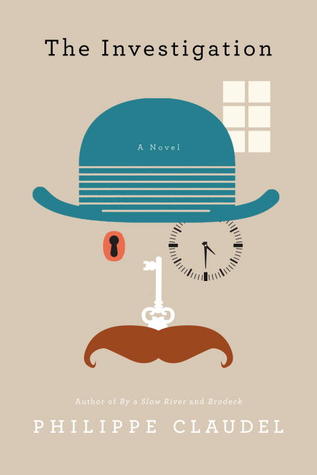
The Investigation – Philippe Claudel
Why, after almost 100 years, would a novel that so obviously duplicates the most familiar features of the Kafkaesque, that so obviously wants to be Kafkaesque, also still want to be regarded as somehow original and daring?
Smith is destined to become to Northwest London what Philip Roth is to Newark, or even what James Joyce is to Dublin.
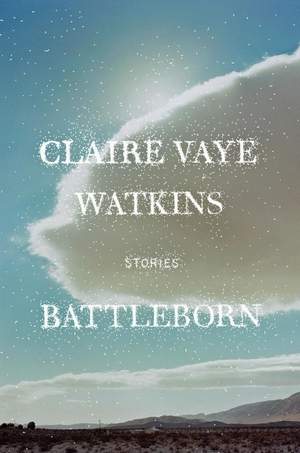
Battleborn – Claire Vaye Watkins
The stories drift around in time and history, homing in on characters who are subtly — or not so subtly — processing violence, death, or detachment.
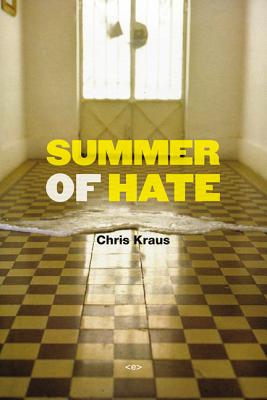
In vintage Kraus (and feminist) style, there is no possible separation of love and sex from politics and philosophy.
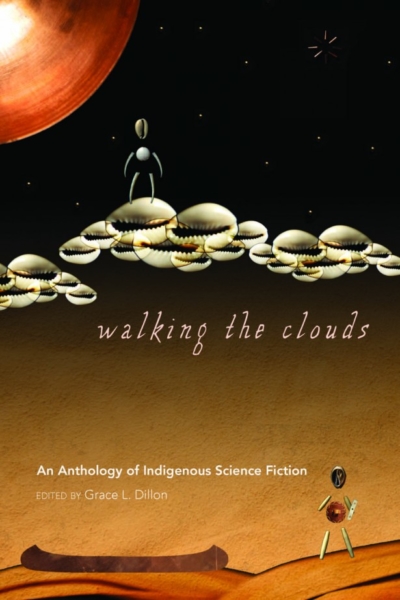
Walking the Clouds – Grace L. Dillon
The enduring message from WALKING THE CLOUDS is not just one of Indian survival but the ability for the Indian to make their home anywhere….even in a genre that as Dillon says arose in a context “profoundly intertwined with colonial ideology.”
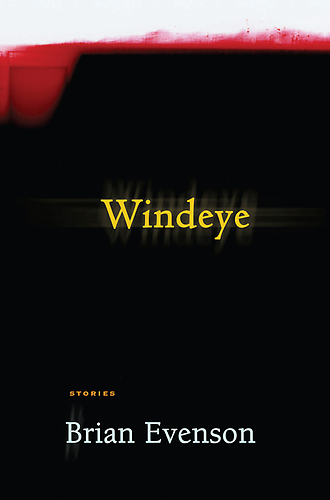
It achieves in a sentence what entire horror films and novels and stories strive to do.