

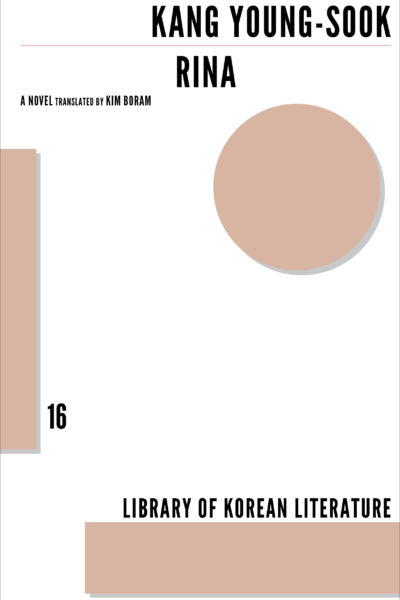
What might be taken for granted as comfortable or soothing or beautiful in a novel that subscribes to bourgeois realism becomes intentionally alienating or disconcerting and potentially hostile in a novel about the subaltern.
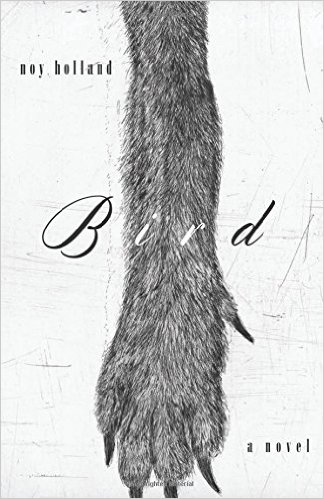
Holland’s language is dizzying, decadent, erotic.
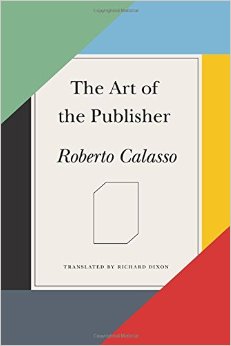
The Art of the Publisher – Roberto Calasso
The publisher is not dying, it is adapting in order to survive.
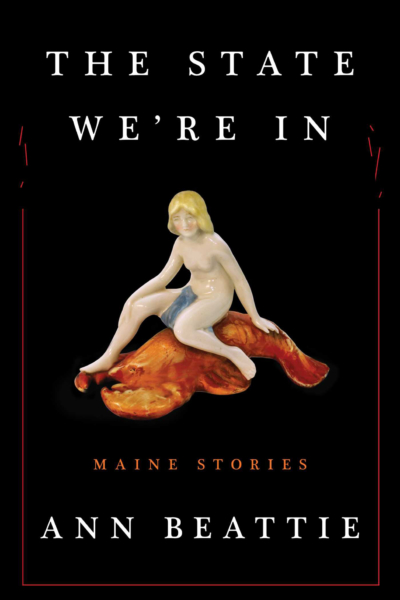
The State We’re In: Maine Stories – Ann Beattie
[Beattie’s] tenth short fiction collection urges this existential observation: that the homosexual and heterosexual acts are not equivalent; only the latter is the terrifying, potentially co-creative, real thing.
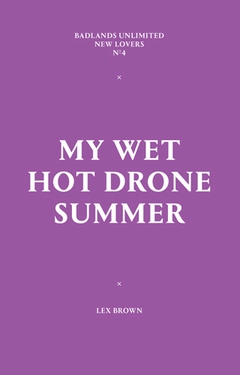
My Wet Hot Drone Summer – Lex Brown
Using the cloak of the erotic novel, which historically has been seen as light entertainment and even farce, Brown’s discussion of body politics, privacy, and surveillance feels remarkably subversive — even as it remains in-your-face, as pornographic text tends to do.
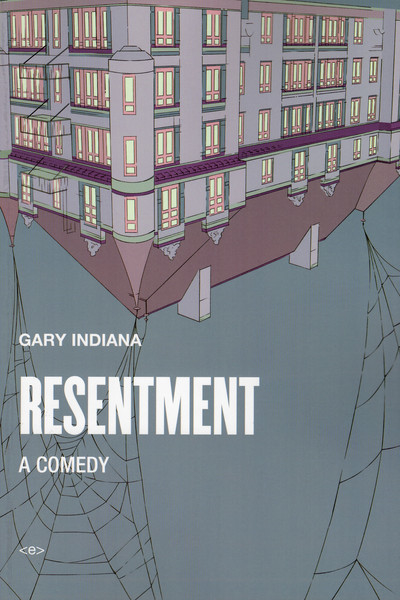
Resentment: A Comedy – Gary Indiana
Resentment often reads like a queer fin-de-siècle Chandler — Marlowe loitering in gay bathhouses, picking up well-hung hustlers, and getting high on crystal meth.
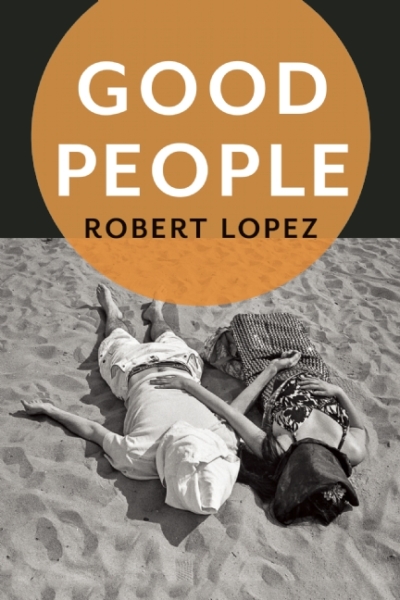
These circular stories are never organized into tidy sequences of events. Rather, they collect data around certain catastrophic experiences that remain nebulous and unknowable.
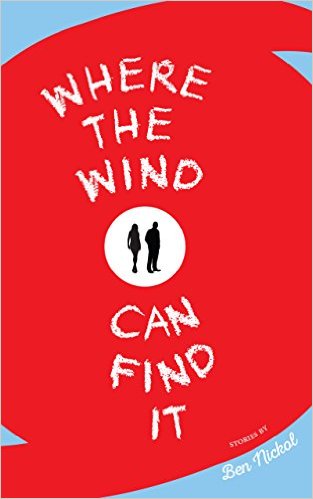
Where the Wind Can Find It – Ben Nickol
Throughout this collection, Nickol successfully limns a space between the false and the true, in which the same conclusion — suffering and loneliness — follows from both facts and deceits.
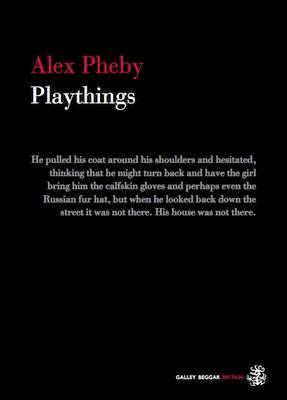
Whilst its opaque perspective draws on modernist tropes of disruption, Pheby’s novel is also crucially a historical novel, and through its depiction of real life events it offers a perspective on the upheavals of the century subsequent to Schreber’s own.

The whole novel comes as the incomplete sum of angular measurements against maternal figures, breaking away scenarios, secrecy, personal chronicles, confinement and changes.