

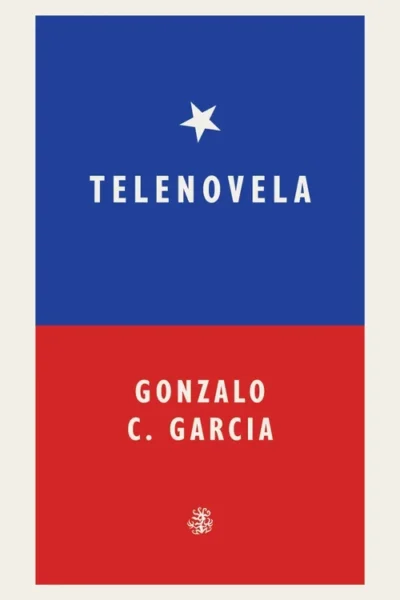
Telenovela — Gonzalo C. Garcia
Rather than a victim of history, Lucho is drawn as a stand-in for it — voicing an optimism of national possibility fueled by the hyperbole of propaganda.
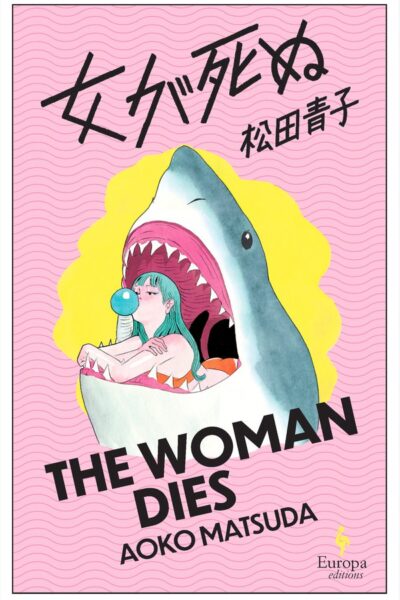
The Woman Dies circumvented my critical brain: it made me laugh, shocked me, revealed my tastes to be safe rather than incisive.
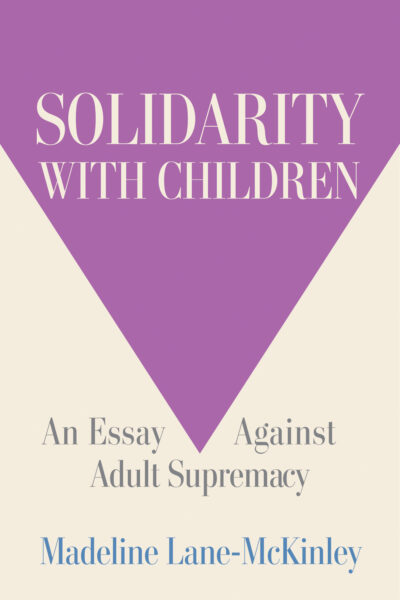
Solidarity with Children – Madeline Lane-McKinley
Children do depend on adults, but dependence need not entail domination.
Instead of a few more excellent but redundant versions of Dead Souls or Crime and Punishment, why couldn’t the same people give us the first translations of Pisemsky’s Troubled Seas, Khvoshchinskaya’s In Hope of Something Better, or Leskov’s “Episcopal Justice”?
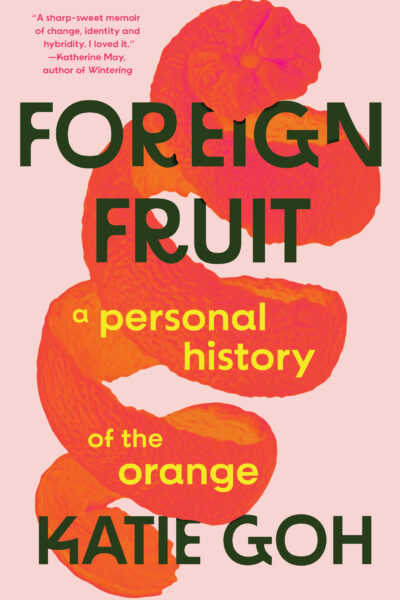
Foreign Fruit: A Personal History of the Orange — Katie Goh
Fruit becomes an object and artifact of history, shaping the currents of the world and the present moment
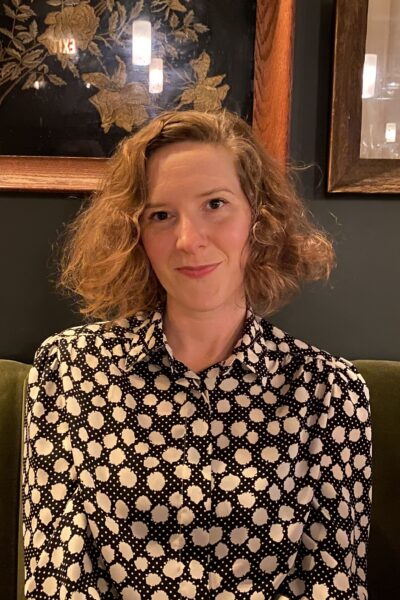
Writing to make sense of things feels both prophylactic (I will process an event, a thought in a safe space) and at times a little dangerous (Is it safe? what will happen as I bore further and further down?)
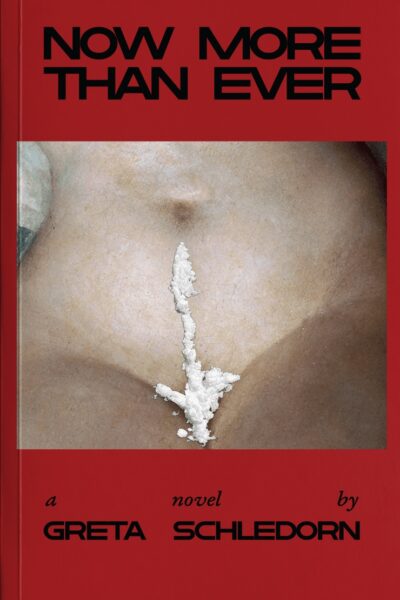
Now More Than Ever – Greta Schledorn
What Schledorn reveals isn’t a secret self but the impossibility of having one.
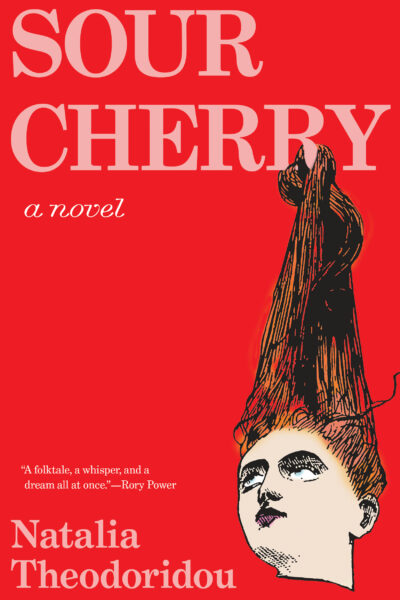
Sour Cherry — Natalia Theodoridou
Theodoridou […] takes readers beyond named characters like Agnes and Eunice, and largely beyond hope.
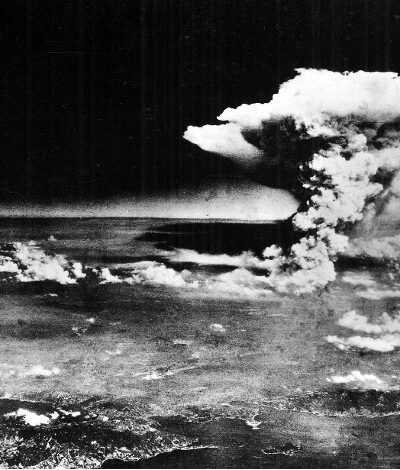
It would be tempting, if you were a theoretical physicist working on the first atomic bomb, to imagine yourself as a demiurge. To frame the process as spiritual longing for God’s wrath . . .

Adedayo Agarau and Isabella DeSendi
We are presenting a version of truth that perhaps no one will ever present in the same way we have. I am, we are, the scar, the proof, a testimony. How lucky we are to have language to help leave our marks on this world.