


With Kairos, Erpenbeck proves the impossibility, irresponsibility even, of an easy binary and reminds us that the only thing we can be certain of is an ending that will bring along change.
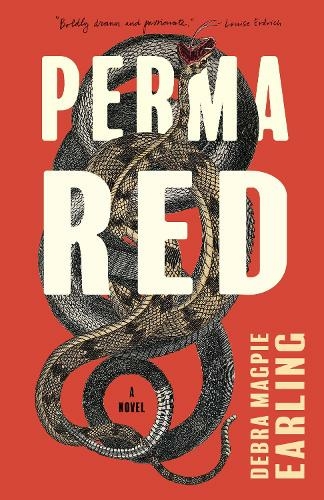
Perma Red – Debra Magpie Earling
While set in the 1940s, Earling’s engagement with the complexities of reservation violence rooted in the traumas of settler colonialism and modern capitalism, make the story of Louise White Elk as resonant as it was when the novel was first published in 2002.

This allegorical world in my writing life . . . it’s an equally alive and present world alongside my lived life. . . . Maybe it’s unclear which narrative is within the other—maybe it’s more like they’re all intertwined.
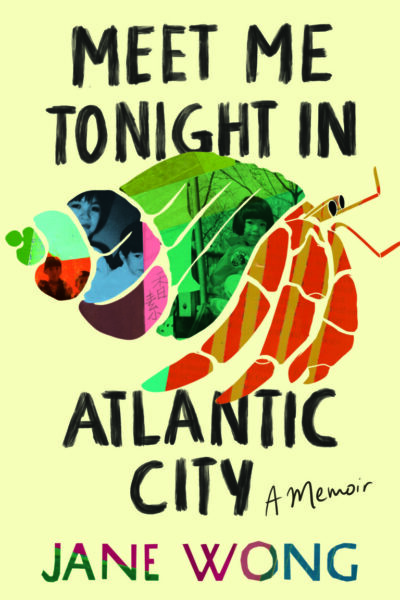
Meet Me Tonight in Atlantic City – Jane Wong
What does it mean to be a good immigrant daughter? What does it take to be regenerative, resistant, and nostalgic?
Standard American English – Elisabeth Houston
Houston refutes language, or at the very least refuses to be authored by it.

Part of what I’m working through is the sense of there being always the ruins, always the death and deathliness in the space and time of New World blackness.
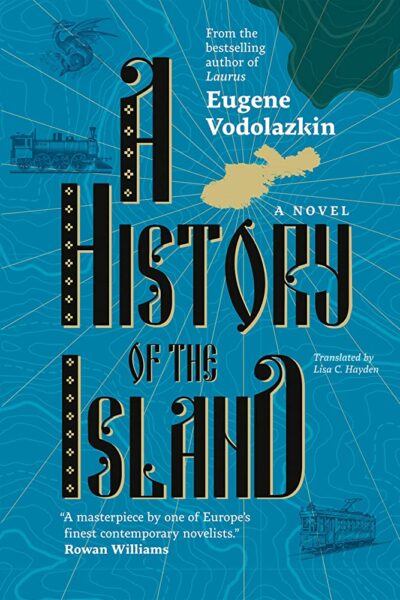
A History of the Island – Eugene Vodolazkin
Looming large in the minds of the citizens is a prophecy of final doom by Agafon the Forward-Looking, recurring in moments of political instability.
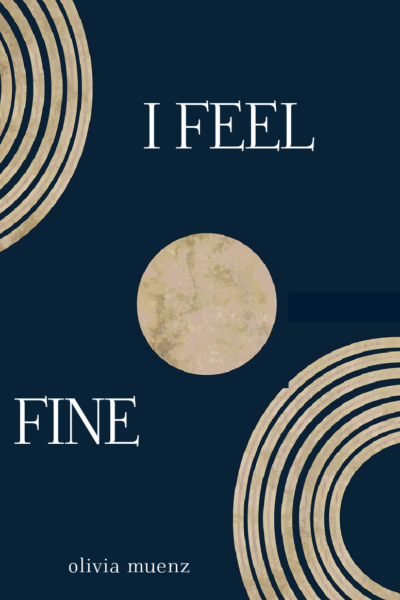
When disabled writers are often expected to display the most personal aspects of their bodies for the consumption of able-bodied readers, Muenz rejects self-objectification in favor of a deeper form of seeing and being seen.
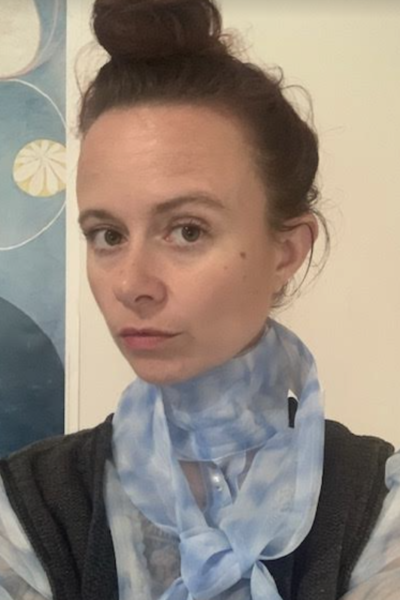
Kissing, sucking, chewing, salivating, feasting, fasting. What does the mouth do when we’re thinking, reading poetry, watching or approaching a lover or an enemy, a horror movie or a romcom? I’m curious.
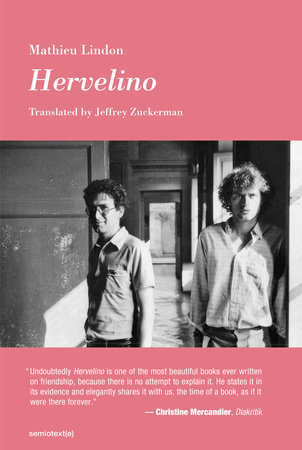
For an elegiac work, Hervelino has little in the way of lamentation or solace. “Death was there, there was no theorizing it or solving it.”