

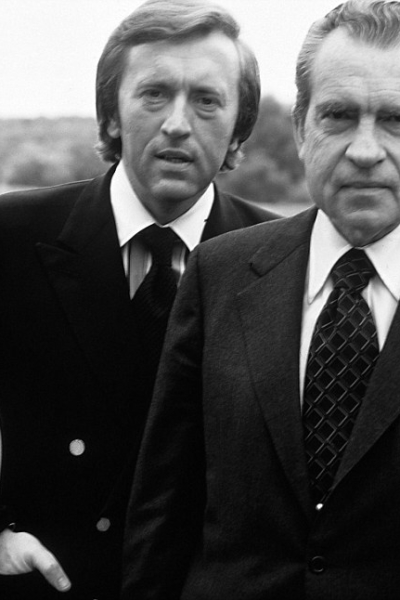
The best interviews from the past year.
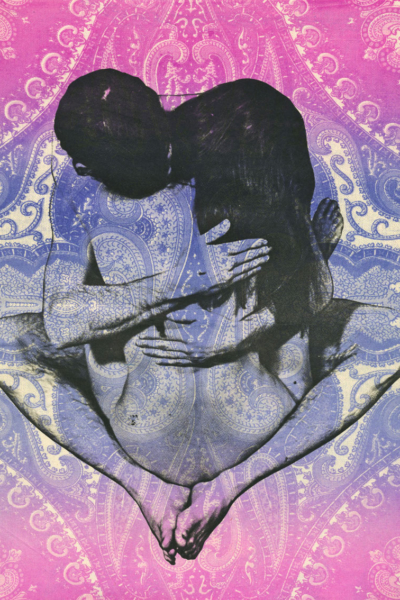
Sean Stewart (Babylon Falling)
As a little kid all my real life heroes were outlaws, self-styled and otherwise.

I feel like “Peanuts,” which is probably my favorite comic strip, shows the parade of humiliations of a character’s life, but plays them for empathy and laughs.
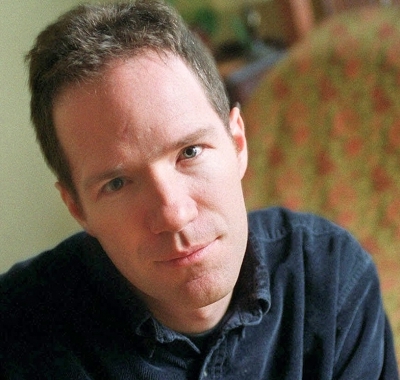
I read a fair amount of hotel reviews, and I really enjoyed reading them. The worse they are, the better they are in a way.

There’s a lot of our voices moving in and out of one another, a lot of the desperation and resentment and defensiveness of teenage girlhood, a lot of that young anger at the mother for being a woman in a world that hates women (the horror!)
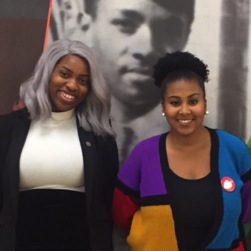
We basically wanted President Ono to say that he acknowledged that this was a murder, a hurtful thing. The University kept referring to it as “the incident.”
I want poetry to till and tilt. I want it to renew and restage difficult questions from unexpected perspectives.

There are writers who can really unravel a sweater with slow deliberate style, but, if anything, I must underwrite. I’m always trying to get out of explaining or defining anything.
The biggest impact on my method was how I’ve seen writers back themselves into a corner or become exasperated with various dead ends and move beyond that to completion and artistic excitement.
A first-person narrator is allowed to be unreliable. The voice is like a dirty windshield at night in the rain. Even if all you see is glare and blobs, you assume whatever’s out there is real. But the second an omniscient narrator makes a continuity mistake, readers want to kick its ass.