

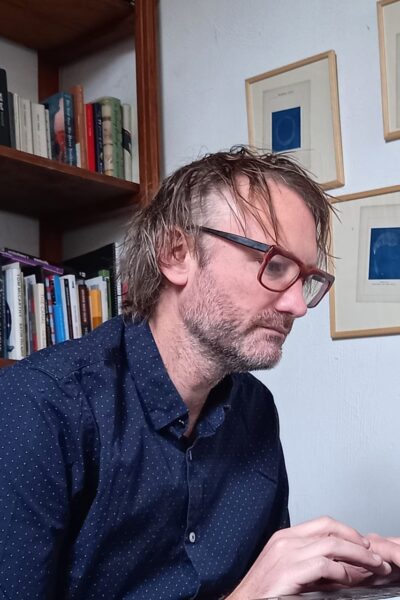
As often happens when you have nothing left to lose, everything just clicked, the voice she had been honing throughout her artistic career was now razor-sharp, as was her sense of humor, righteous indignation, and impatience with classical, “proper” style . . .
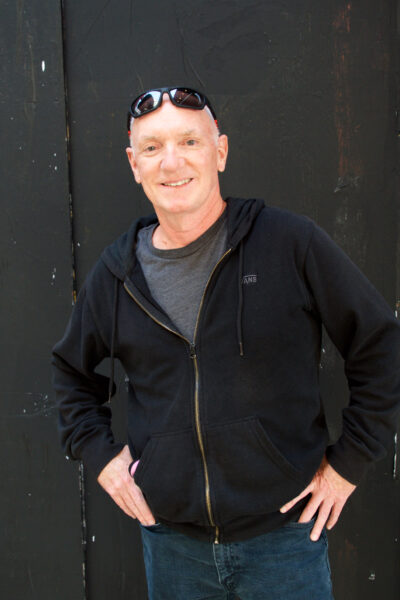
I grew up always wanting to be at Disneyland. It was a pilgrimage that you made as a kid. But . . . its myths worm into your consciousness.
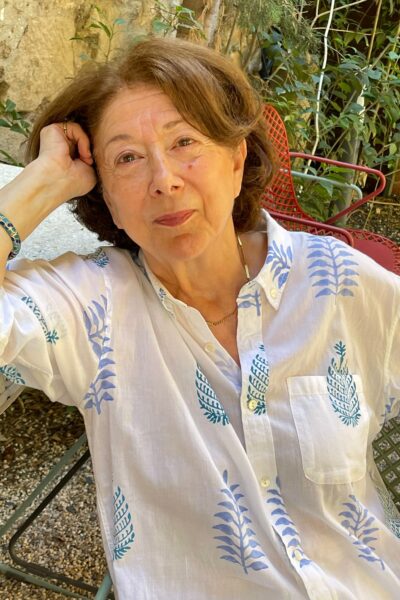
I feel very deeply that I am a child of Haïfa, this mountain place facing the sea, on the shores of the Mediterranean, while being at the same time a citizen of the world.
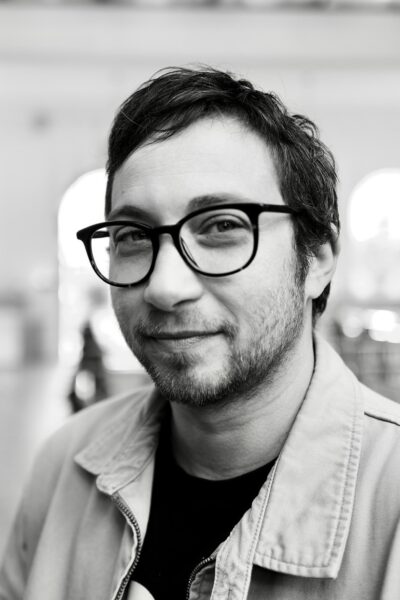
This allegorical world in my writing life . . . it’s an equally alive and present world alongside my lived life. . . . Maybe it’s unclear which narrative is within the other—maybe it’s more like they’re all intertwined.
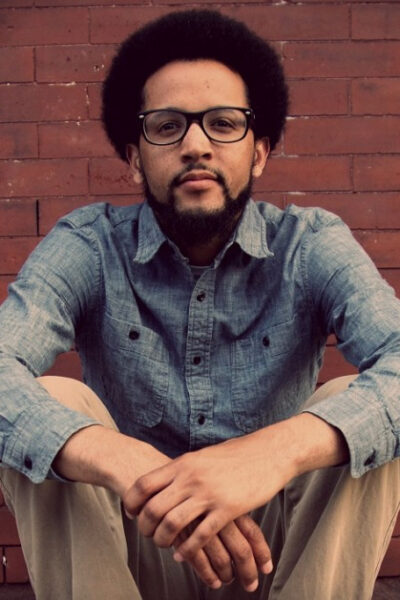
Part of what I’m working through is the sense of there being always the ruins, always the death and deathliness in the space and time of New World blackness.
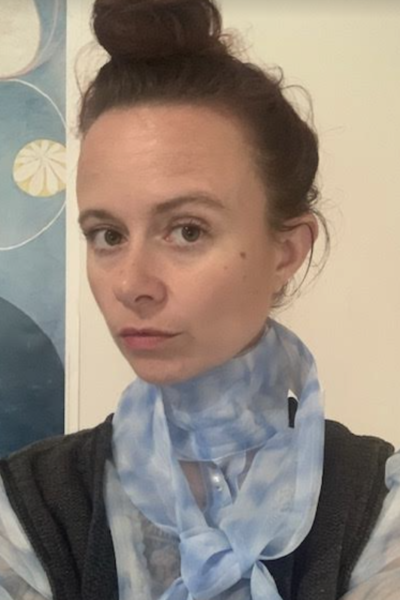
Kissing, sucking, chewing, salivating, feasting, fasting. What does the mouth do when we’re thinking, reading poetry, watching or approaching a lover or an enemy, a horror movie or a romcom? I’m curious.
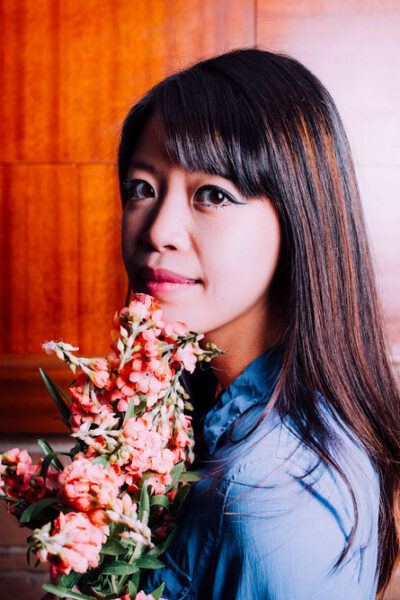
Writing nonfiction . . . you really want to write about the big things that happened in your life, but I like to start from something super tiny or something seemingly inconsequential. . . . I’m always looking for the little, tiny ants in my mind that actually do a lot of the heavy lifting.
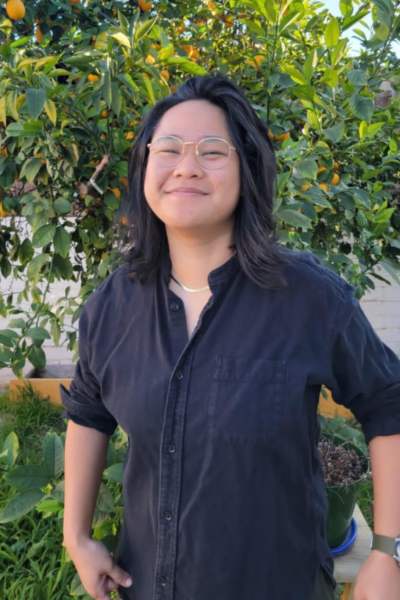
With translation, it’s like you can do the one-to-one or you can dive into the semiotic excess and see what happens, and rather than try to order the chaos, it’s more sequencing the chaos.
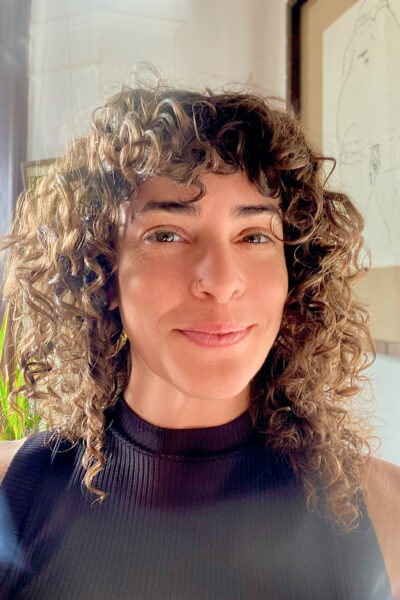
Over the past years I have given myself increasing permission to write in the scattered, associative way my brain works now. I see my nonfiction as an invitation to conversation more than any kind of argumentation.
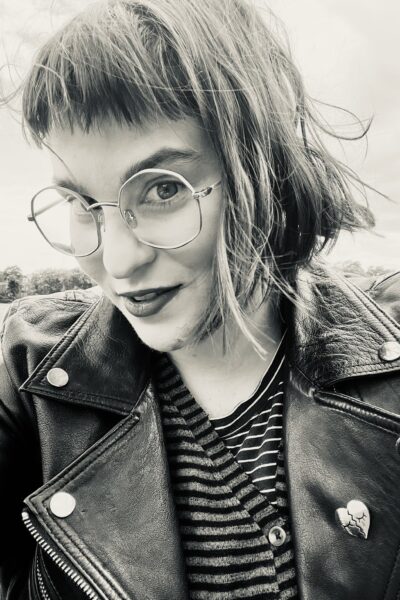
I’ve made some bad choices in life, but I really don’t think I’ve done anything personally as bad as fucking Heidegger.