


“Keep the Dream”: Science Fiction and the Desanctification of Space
When it comes to the most expensive business in—and beyond—the world . . . no one ever seems to ask the cheapest of questions: Is it worth it?

Something in My Throat – Meghan Racklin
Whisper networks whisper for a reason: It is hard to speak into the face of power, of silence and its stories.
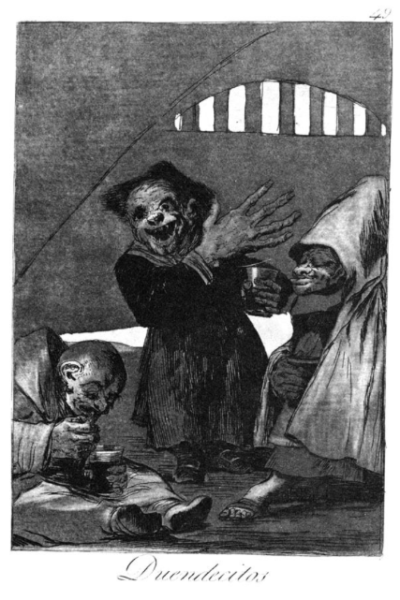
The goblin arrives through people, not in front of them. More poltergeist than monster. We can’t know its specific form, but we see it appear—fluidly, over and over again—in what we fear, and where that fear ignites into inspiration.
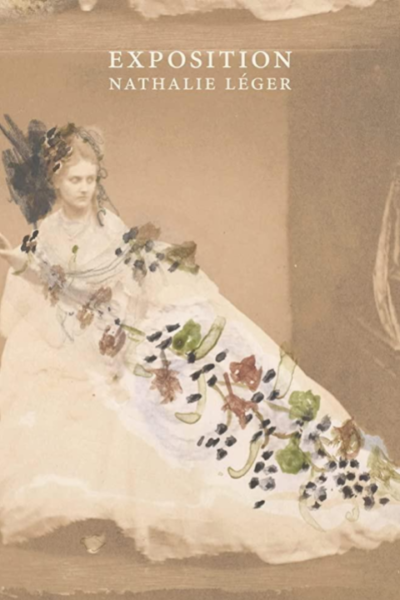
Literature’s Lost Profiles: The Oblique Subjects of Parabiography
Splicing one’s twenty-first-century world with that of a historical figure is a multi-faceted labor of translation–not only across time, but across media, languages, and cultures.

On Des Moines, the Final Play of Denis Johnson
Somehow, it was as if the playwright had invited the audience to his own wake, with the strictest of instructions that everybody for crying out loud have a good time.

John Ashbery in the Physical World
Far from a recluse, Ashbery was in fact super-social in his own way, someone who prized poets’ work, a prolific blurber of younger poets’ books.

Whom To Send To: Bernadette Mayer’s Lifelong Epistle
The letter resembles such gestures as the smile or the wave in the way it puts faith in the signs we move between each other as subjects.
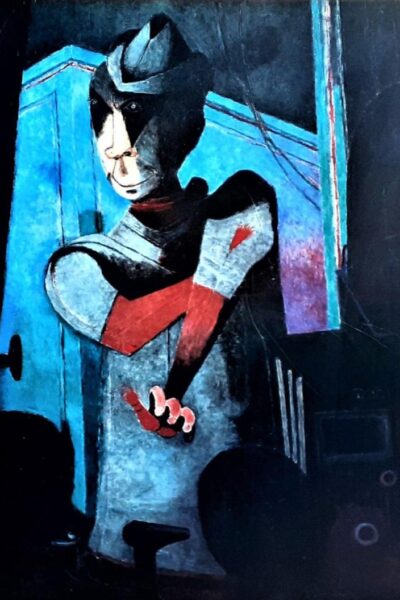
Good, Bad, and the Complete Opposite: Cynicism in Golden Age Mexican Cinema
Cantinflas is the inheritor of millennia of cynicism, a philosophy “pioneered” by the barrel-living, work-scoffing Diogenes.

No Consolation: On Gabriel Blackwell
Almost everyone in the world of Blackwell’s fiction finds themselves trapped in the process of unintentionally suffocating both their significant others and themselves.

I wanted salvation without the fall; I wanted art to save me from life.